
Last updated November 16, 2026
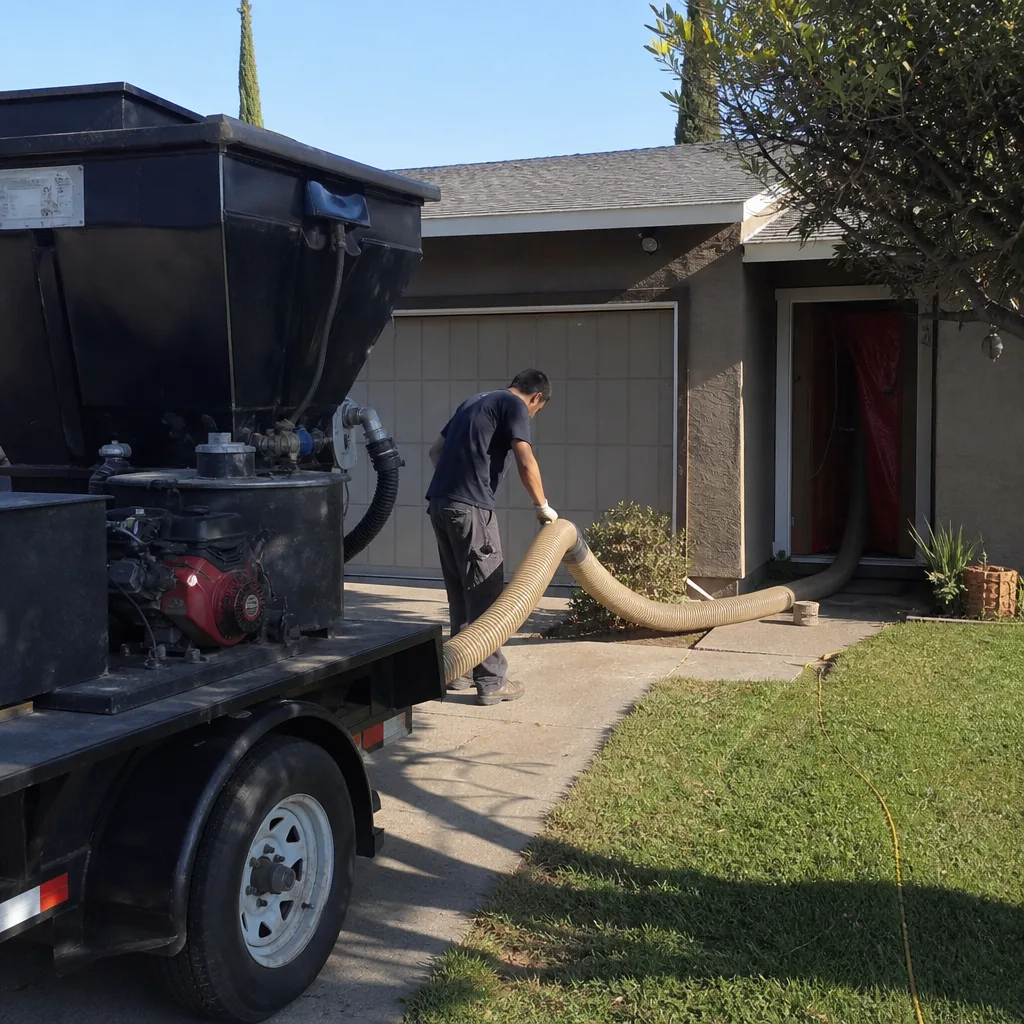
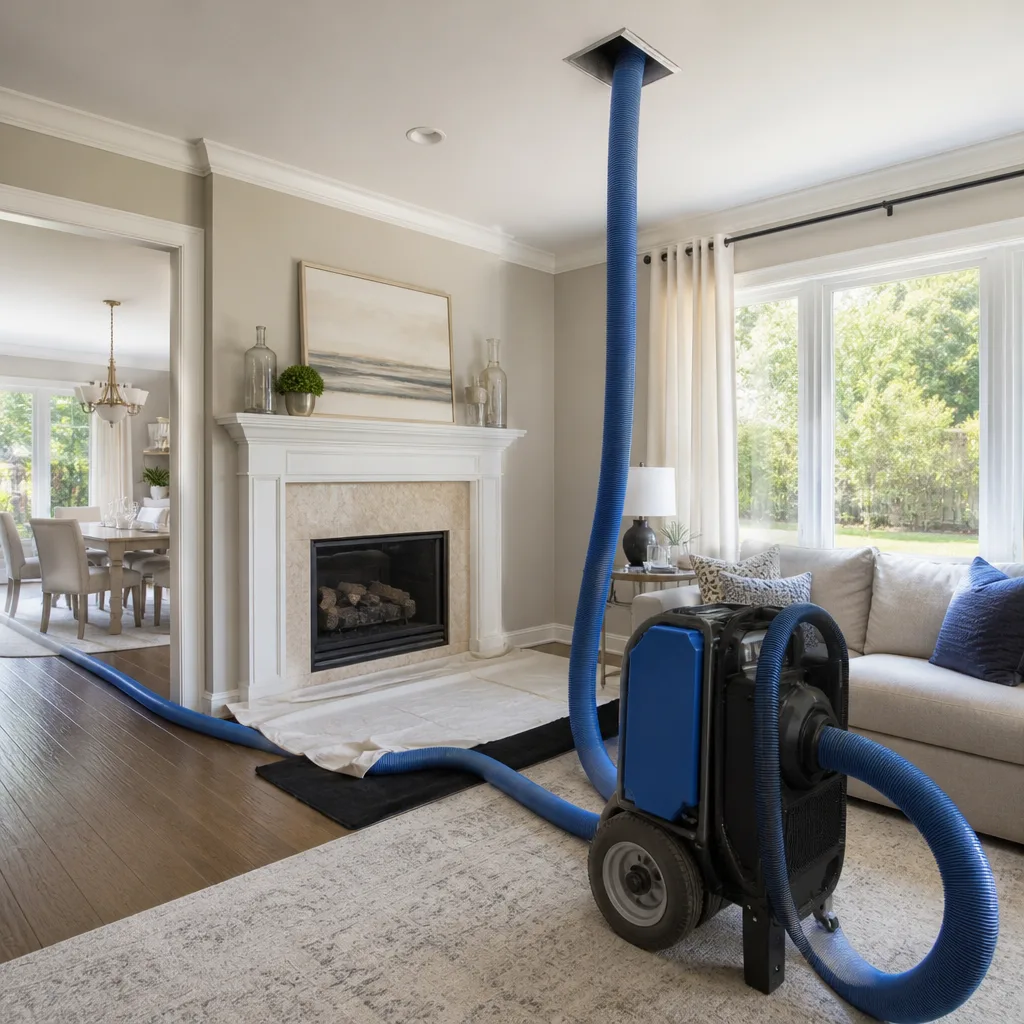 Whole-home duct cleaning
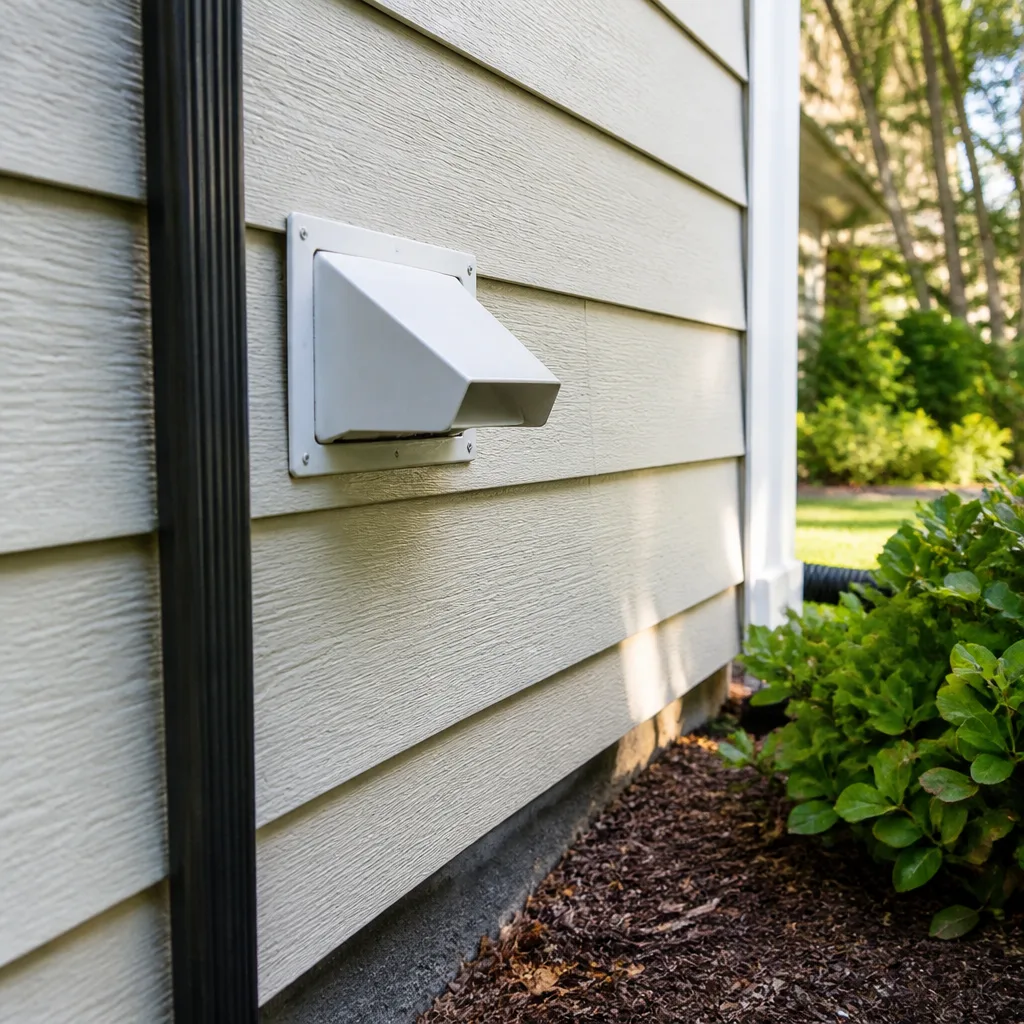 Dryer vent cleaning
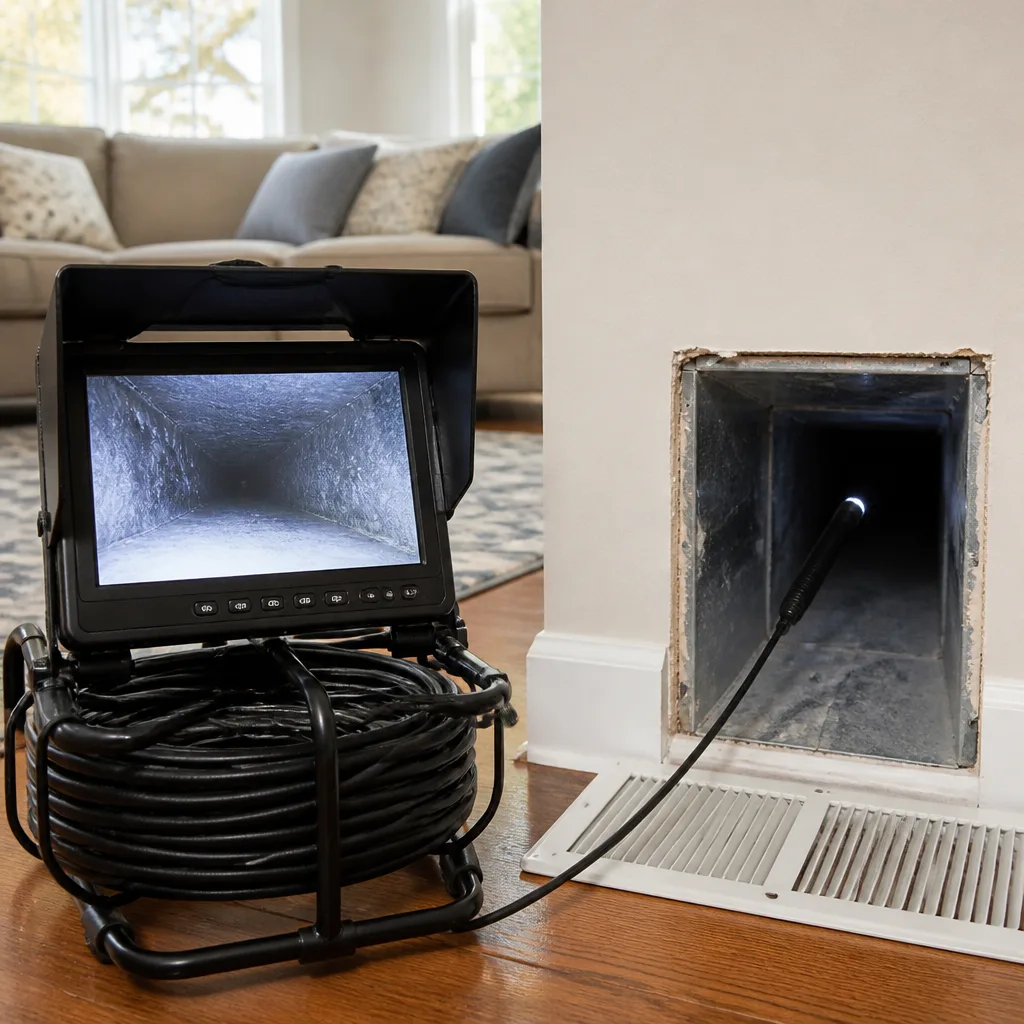 Camera inspection
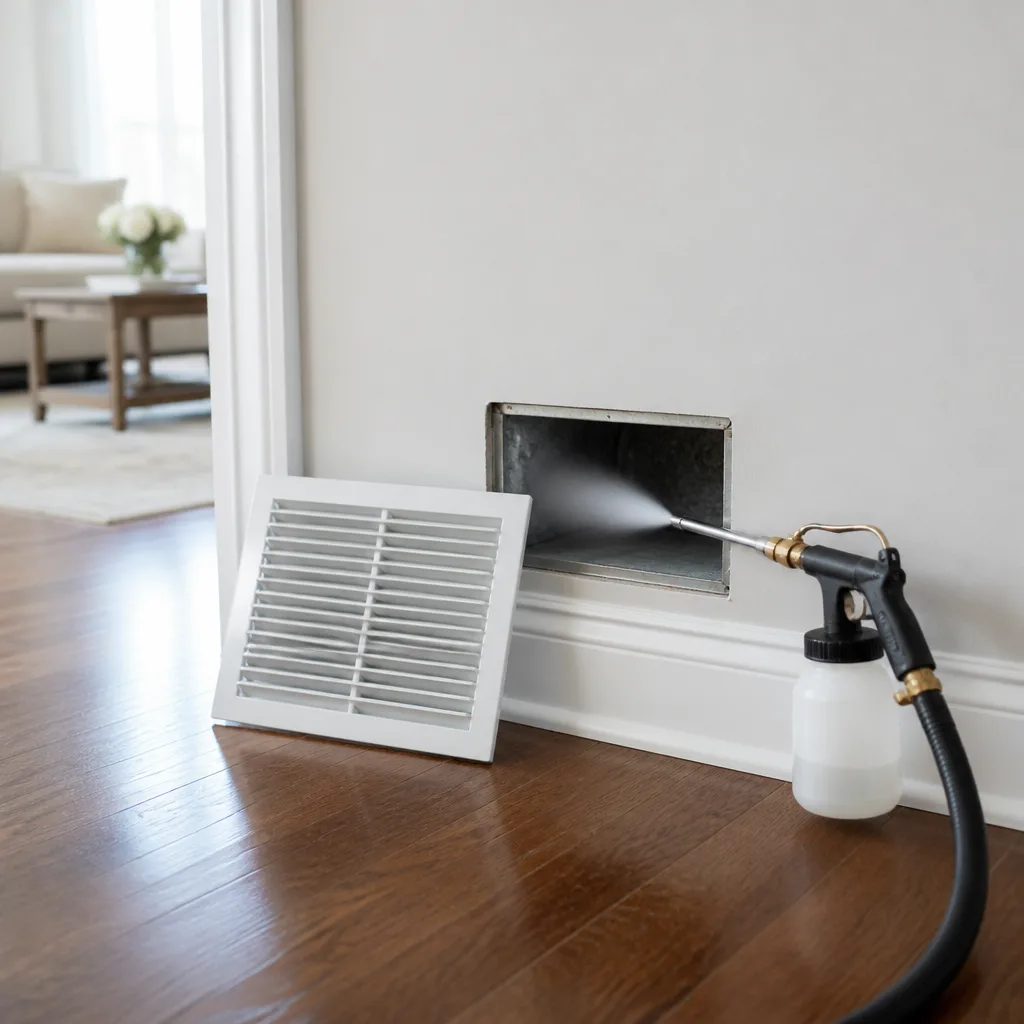 Sanitizing & deodorizing
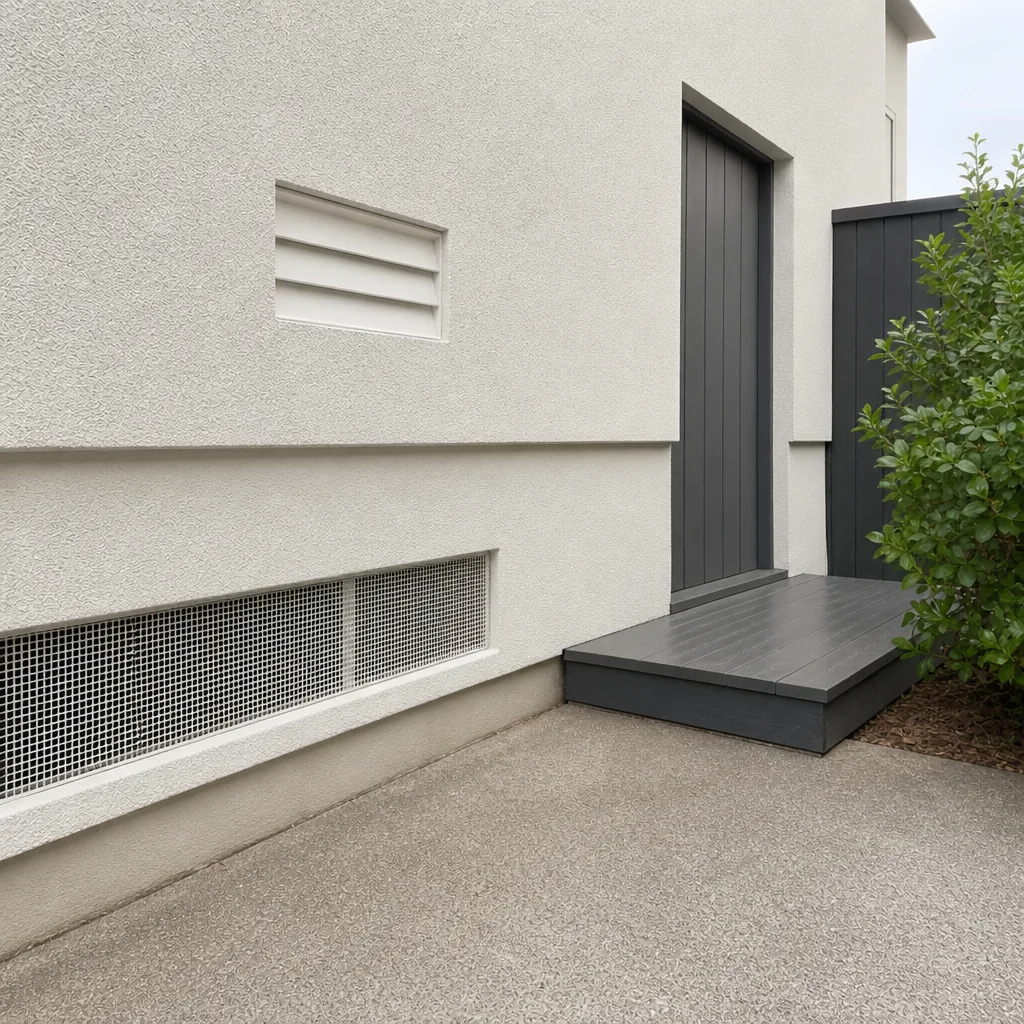
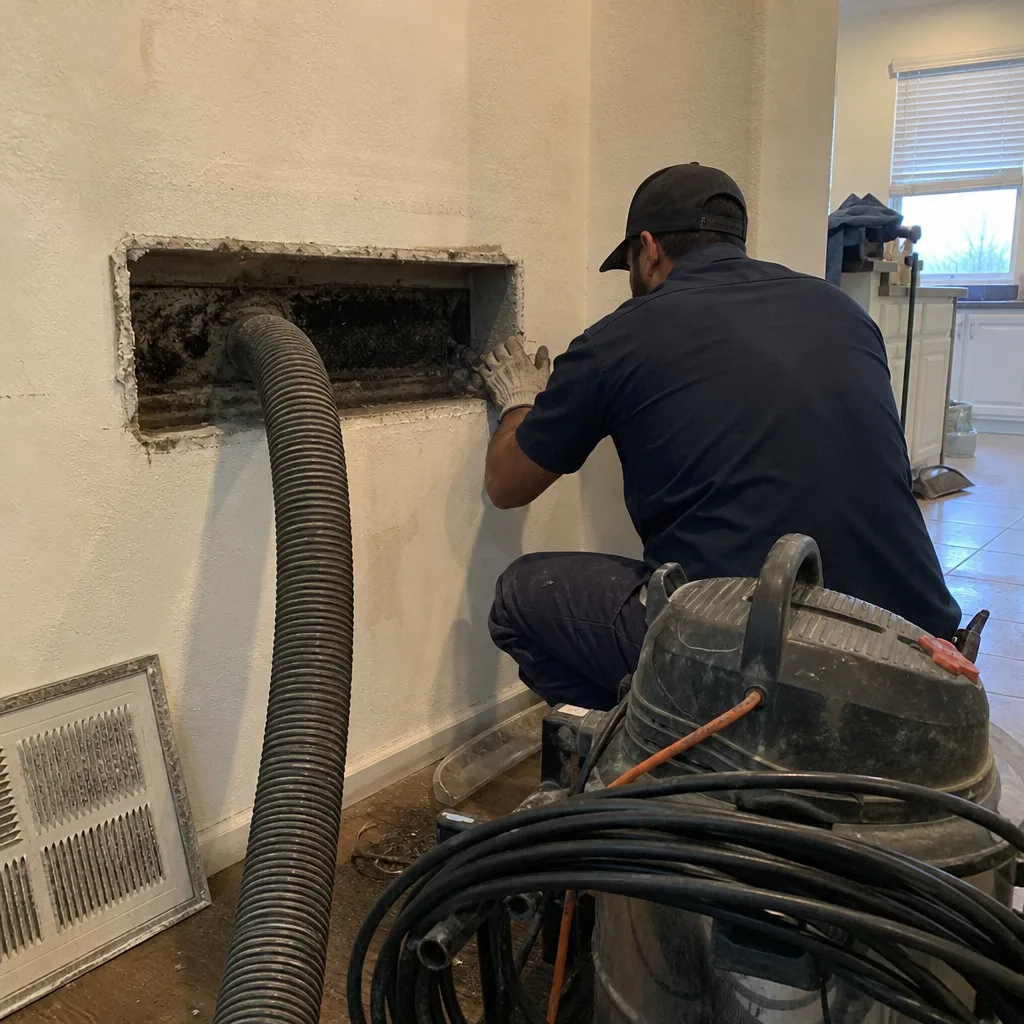
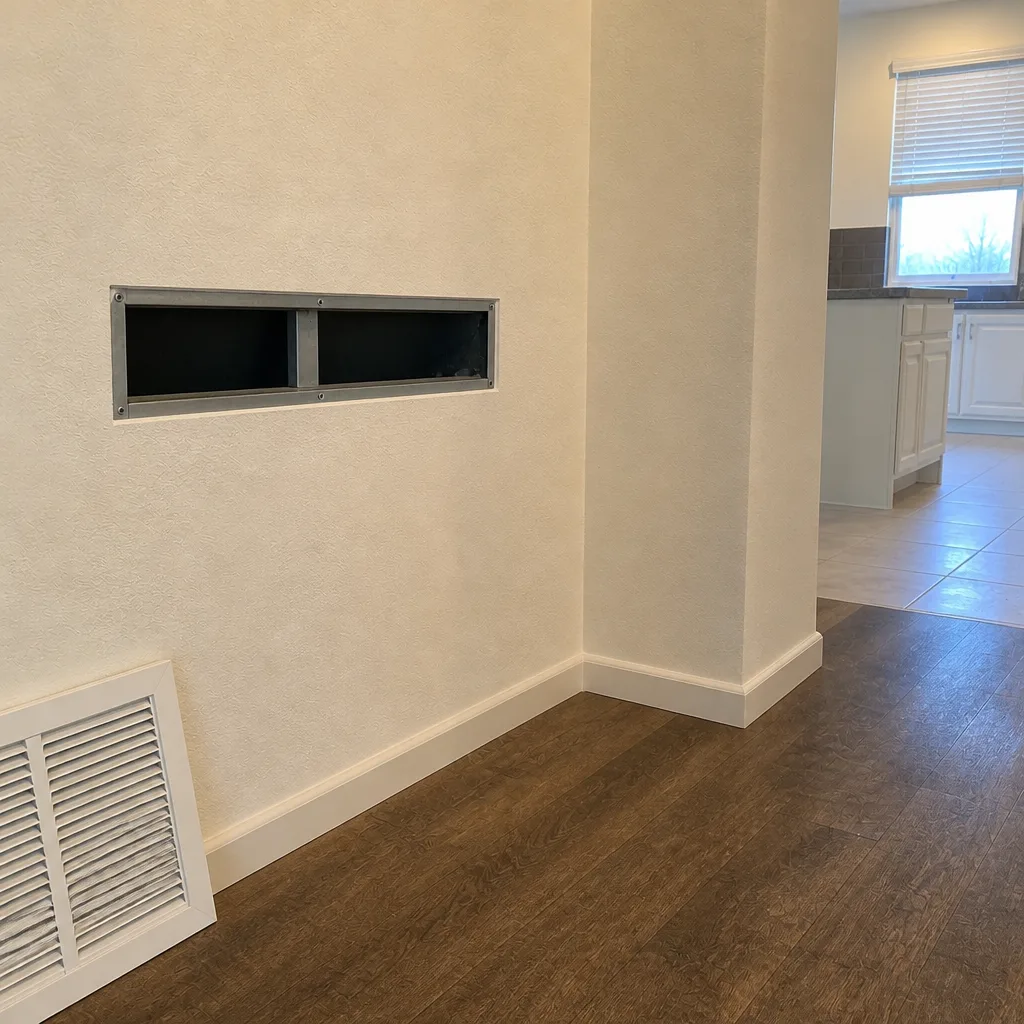
Whole-system duct and dryer vent check with before-and-after photos - you see exactly what came out of your vents
That "$99 whole-house special" is a bait ad - the real number appears once they are in your hallway, or the "clean" is a shop-vac at the register. We photograph the inside of your ducts before and after instead.
Air Duct Cleaning Maintenance Schedule: What to Do and When
The 3-to-5-year rule was written for a hypothetical average home. Fairfield is not an average market. It sits in an agricultural valley with seasonal particulate events that load duct systems faster than that guideline assumes, which is why a homeowner near the Jelly Belly factory and a homeowner in newer construction on the east side can need completely different service intervals. A single universal number ignores the three variables that actually drive contamination rates: your home’s construction type, your HVAC run-time, and what’s in the air outside. This guide gives you a risk-tier framework, a year-by-year action calendar, and the Fairfield-specific seasonal triggers that should prompt an inspection even when your “scheduled” interval hasn’t come up yet.
Quick Answer
Most Fairfield homes should have their air ducts professionally cleaned every 3 to 5 years, but that range narrows to 2-3 years if you have pets, an older flex-duct system, or a recent renovation, and stretches to 5-7 years only for newer, well-sealed systems in homes with no pets and no smokers. The best schedule combines a fixed interval with an inspection after harvest season and after any major dust event.
Styles & brands we work with
- Whole-home duct cleaning
- Dryer vent cleaning
- Camera inspection
- Sanitizing & deodorizing
Table of Contents
- Why the Universal “Every 3-5 Years” Rule Fails in Fairfield
- The Risk-Tier Framework: Finding Your Home’s Real Interval
- Fairfield’s Seasonal Triggers: When to Move Up an Inspection
- Filter MERV Rating as a Maintenance Variable
- What a Real Maintenance Visit Should Include
- Your Year-by-Year Homeowner Action Calendar
- Early Warning Signs Your Schedule Is Behind
- Dryer Vent Cleaning on Its Own Schedule
Why the Universal “Every 3-5 Years” Rule Fails in Fairfield
The 3-to-5-year guideline you see on nearly every HVAC website assumes a median house in a median climate. It doesn’t account for the particular way dust moves through a Solano County valley, and it doesn’t account for the huge spread in home construction quality you find across Fairfield. A house built in the 1970s with original rigid metal ductwork tells a different story than a 2010s build with flexible ducting, and both tell a different story than a foreclosure-era flip with duct joints that were never properly sealed.
In our experience across Fairfield, three factors override the generic rule almost every time:
- Construction age and duct type. Older systems with unsealed joints leak conditioned air into wall cavities and pull dust back in. Newer sealed systems stay cleaner longer.
- HVAC run-time. A home whose air handler runs six hours a day moves far more air (and dust) through the ducts than one that runs ninety minutes. Longer cooling seasons mean more accumulation.
- Occupant load. Pets, smokers, and recent renovations add particulate matter to the return air that the filter can’t catch.
Fairfield sits at the eastern edge of an agricultural basin. Seasonal field work, wind events, and the general dust load that comes with valley living all feed into your return-air grilles. None of that appears in a national “every 3-5 years” chart. If you want a schedule that actually fits your home, you need to look at the variables, not the average.
The Risk-Tier Framework: Finding Your Home’s Real Interval
Instead of a single number, use three tiers. Read the descriptions, place your home in one, and treat the range as your baseline service interval. Then adjust up or down based on the seasonal triggers in the next section. A professional air duct cleaning done on a tier-correct schedule is almost always more cost-effective than emergency cleanings done after contaminants have already reached the registers.
Low Risk: Every 5-7 Years
- Ductwork installed or sealed within the last 15 years
- No pets, no smokers, no recent renovations
- Filter changed on schedule, MERV 8 or higher
- Home is sealed well, with no visible gaps at registers
Medium Risk: Every 3-4 Years
- System 10+ years old with original ductwork
- One pet, or one smoker, or a home office used daily
- Located in a part of Fairfield near open fields or with high outdoor dust exposure
- Filter changed “most of the time”
High Risk: Every 2-3 Years (or Sooner)
- Flexible duct over 15 years old, especially if it sags or has visible tears
- Multiple pets, or indoor smoking
- Recent renovation, remodel, or major drywall work
- Visible dust puffing from registers when the system starts
- Allergy or asthma symptoms that worsen indoors
If you’re not sure which tier you’re in, an inspection is the honest answer. Duct Cleaning Fairfield offers free estimates in Fairfield, and the assessment is based on what’s actually inside your system, not a sales pitch written around a coupon price. Call (844) 834-3074 to schedule one.
Fairfield’s Seasonal Triggers: When to Move Up an Inspection
Even a low-risk home should get inspected after certain events. In Fairfield, three seasonal patterns are worth paying attention to:
- Harvest season dust. Late summer and early fall field work in the surrounding agricultural areas lifts fine particulate into the air. Homes downwind pull it through return grilles at higher rates for six to ten weeks. If your system runs heavily during that window, an inspection before winter is worth the call.
- Diablo wind events. The dry, offshore winds that push through the East Bay and Solano County carry fine dust from inland areas and can push visible particulate into a home within hours. After a strong multi-day event, check your return grilles for visible buildup.
- Cooling season tail-end. The first cool week when your system switches back to heating is a good time for a visual inspection. You’re at the end of heavy run-time, and dust that’s been accumulating over the summer is now visible at the registers.
You don’t need to move your whole schedule up for every event. You do want to know what your ducts look like after a bad one. If the registers look heavily soiled or the system starts running with a visible puff, call for an inspection and let the evidence decide whether it’s time for a full cleaning.
Filter MERV Rating as a Maintenance Variable
Filter MERV rating is one of the most under-appreciated variables in duct maintenance, and homeowners rarely think about it. A MERV 8 filter catches most of the larger particles and a portion of fine dust. A MERV 11 or MERV 13 filter catches far more, which means less of it travels past the filter and settles into the ductwork. Running a low-MERV filter means your ducts are acting as the filter, and they’ll need cleaning on a shorter interval as a direct result.
The trade-off is airflow. A filter that’s too restrictive can starve the system and cause other problems. The right answer is usually a MERV 11 or MERV 13 filter in a properly sized filter slot, changed on a real schedule (every 60-90 days for most homes, monthly during heavy run-time). Homes running MERV 8 or lower should assume the shorter end of their tier’s interval, because the ductwork is absorbing what the filter misses.
If you want to go beyond filtration, whole-home air quality systems from Honeywell and Aprilaire can be integrated with your existing HVAC to add filtration, humidification, or UV treatment. These aren’t replacements for cleaning; they’re a way to keep a freshly cleaned system cleaner for longer. The right time to consider one is right after a cleaning, when you know the system is starting from a clean baseline.
What a Real Maintenance Visit Should Include
A duct cleaning that consists only of running a rotary brush through the supply lines is missing half the system. Here’s what a proper maintenance visit should cover, and what to ask for when you book one:
- Full supply and return cleaning with source removal. Contact-based cleaning of the duct walls, not just air-whip dislodging. Duct Cleaning Fairfield uses the Rotobrush rotary brush system for this step, and Nikro high-CFM vacuum equipment to pull dislodged debris out of the system under negative pressure.
- HEPA-level containment. Capture at the source, not just downstream. Abatement Technologies HEPA units keep the particulate from escaping into the living space during the job, which matters if anyone in the home has respiratory issues.
- Register and grille removal and cleaning. Registers and return grilles should be removed, cleaned, and reinstalled, not just wiped in place.
- Coil and blower compartment inspection. The evaporator coil and blower wheel collect dust too. A good visit notes their condition even if cleaning them isn’t part of the base price.
- Duct joint and seal check. Visible gaps, disconnected joints, or crushed flex duct are common and let dust back in. If your system has them, you need air duct repair, not just cleaning. We repair what we find, not just clean over it.
- Before-and-after photos of your own system. Ask for them. A legitimate technician will offer them without being asked. It’s the only way to verify the work happened.
If you have a dryer, one more item belongs in the visit: dryer vent cleaning. Lint accumulation is a recognized fire-prevention concern, and the vent runs on a completely different schedule than your supply ducts. It’s cheaper and smarter to do both while the equipment is already out.
Your Year-by-Year Homeowner Action Calendar
Here’s a schedule you can actually follow instead of vague “check periodically” advice. Adjust the years based on your tier, but keep the filter and visual-check cadence fixed.
Every 60-90 Days (Monthly in Heavy Run-Time)
- Replace the HVAC filter. Write the date on the edge before installing.
- Visually check return grilles for visible dust streaks.
- Check supply registers for puff-back when the system starts.
Every 6 Months
- Remove and clean supply registers and return grilles.
- Look inside the return plenum with a flashlight where accessible.
- Check the condensate drain line for algae or clogs (particularly before summer).
Every 12 Months
- Schedule a dryer vent cleaning. Lint buildup moves faster than most homeowners expect.
- Do a visual inspection of accessible ductwork for gaps, sagging, or disconnected joints.
- After a strong Diablo wind event or heavy harvest season, do a quick register check.
Every 2, 3, or 4 Years (Per Your Risk Tier)
- Schedule a professional air duct cleaning and inspection.
- Ask for before-and-after photos of your system.
- Have the technician check duct joints and note any repairs needed.
- If repairs are noted, schedule air duct repair before the next cleaning so the leaks aren’t let back in.
Early Warning Signs Your Schedule Is Behind
Sometimes you don’t notice the interval slipped until the symptoms show up. These are the signals that mean it’s time to book an inspection regardless of when your last cleaning was:
- Visible dust puffing from registers when the system starts, or streaks around the grille edges
- A musty or stale smell in the first minutes of running the air
- Allergy or asthma symptoms that get worse indoors and better outdoors
- Higher energy bills that don’t match temperature trends (dust buildup on the coil and blower reduces airflow and efficiency)
- Visible debris inside a return plenum when you shine a flashlight past the filter
- Recent renovation, roof work, or pest activity in the ducts
- A dryer that takes longer to dry loads, which suggests the vent is loading up
If two or more of these apply, an inspection is worth the call. Duct Cleaning Fairfield offers free estimates in Fairfield, and if your system is fine, we’ll tell you so. Call (844) 834-3074. We answer 24/7.
Dryer Vent Cleaning on Its Own Schedule
Dryer vent cleaning runs on a shorter and more safety-critical cycle than the supply ducts. Most manufacturers and fire-safety guidelines recommend cleaning the dryer vent once a year, and some homes (large families, high-volume laundry, long vent runs with several elbows) need it twice a year. This is not an upsell; it’s a fire-prevention measure with a well-documented rationale.
The signs a dryer vent is overdue: clothes take noticeably longer to dry, the dryer top or door feels hot to the touch, laundry comes out hotter than usual, or you can’t feel strong airflow at the exterior vent flap with the dryer running. In Fairfield, some homes vent through long runs to the exterior wall, and those need shorter intervals than a straight-through vent.
We handle dryer vent cleaning as a dedicated service, using the same professional equipment standard as the air duct work. Batching it with a duct cleaning visit is efficient, but it doesn’t need to wait for the duct interval. Once a year is the baseline for most Fairfield homes.
Common Mistakes to Avoid
- Trusting a coupon price as a whole-system quote. A low per-vent coupon usually means the technician arrives with add-on line items. Ask for the whole-system price in writing before anyone is dispatched. In Fairfield, the honest range for a standard home is a real number that reflects the system, not a teaser figure.
- Booking the cheapest cleaner without asking about equipment. Portable shop-vac rigs and air-whip-only setups dislodge debris without capturing it, so the particulate goes right back into your living space. Ask specifically what equipment will be used and how the debris is captured.
- Skipping the dryer vent because “the ducts were just done.” The dryer vent is a separate system with a separate schedule. Cleaning ducts has no effect on lint accumulation in the vent.
- Not fixing duct leaks before the next cleaning. Cleaning a system with unsealed joints is like vacuuming a room with the windows open. Repair the leaks first, or you’ll be back to a dirty system within months.
- Running a low-MERV filter on a high-occupancy home. MERV 8 doesn’t catch fine dust. If you’ve got pets, smokers, or a home office, the filter is undersized for the particulate load and the ducts take the overflow.
- Ignoring a strong seasonal event. If you have a bad harvest season and a strong Diablo wind event in the same six weeks, the visual evidence at your registers can change considerably. Check them.
- Assuming newer ducts mean no service needed. Newer construction still accumulates dust, just at a slower rate. It’s the interval that drops, not the need.
See the difference
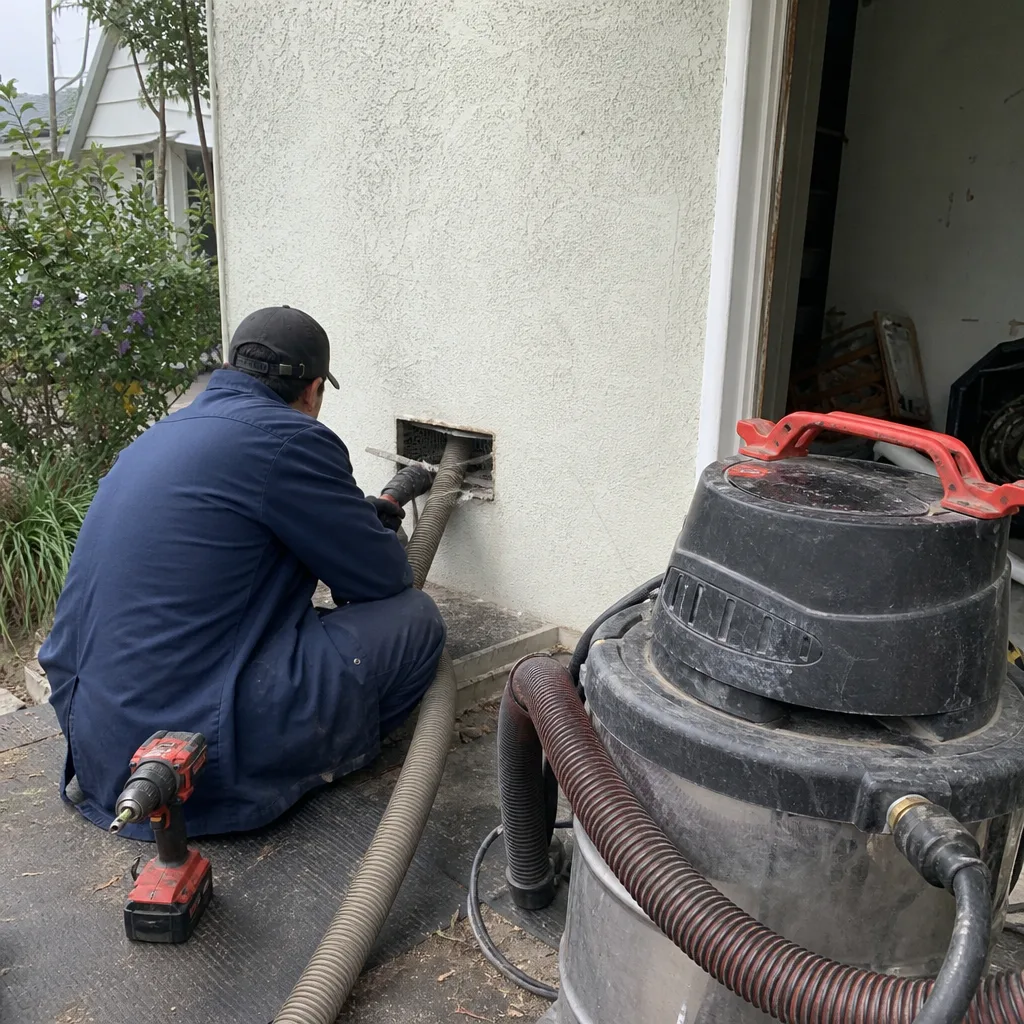 Before
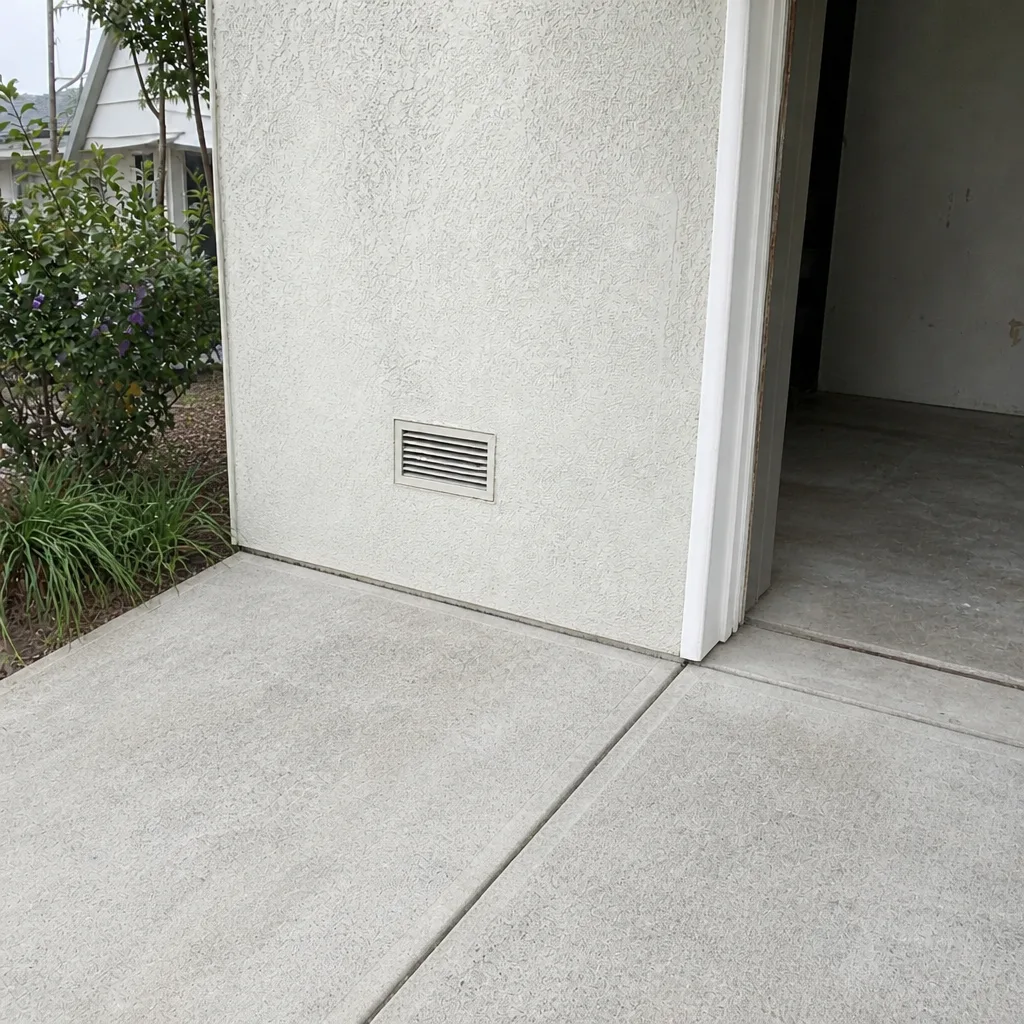 After
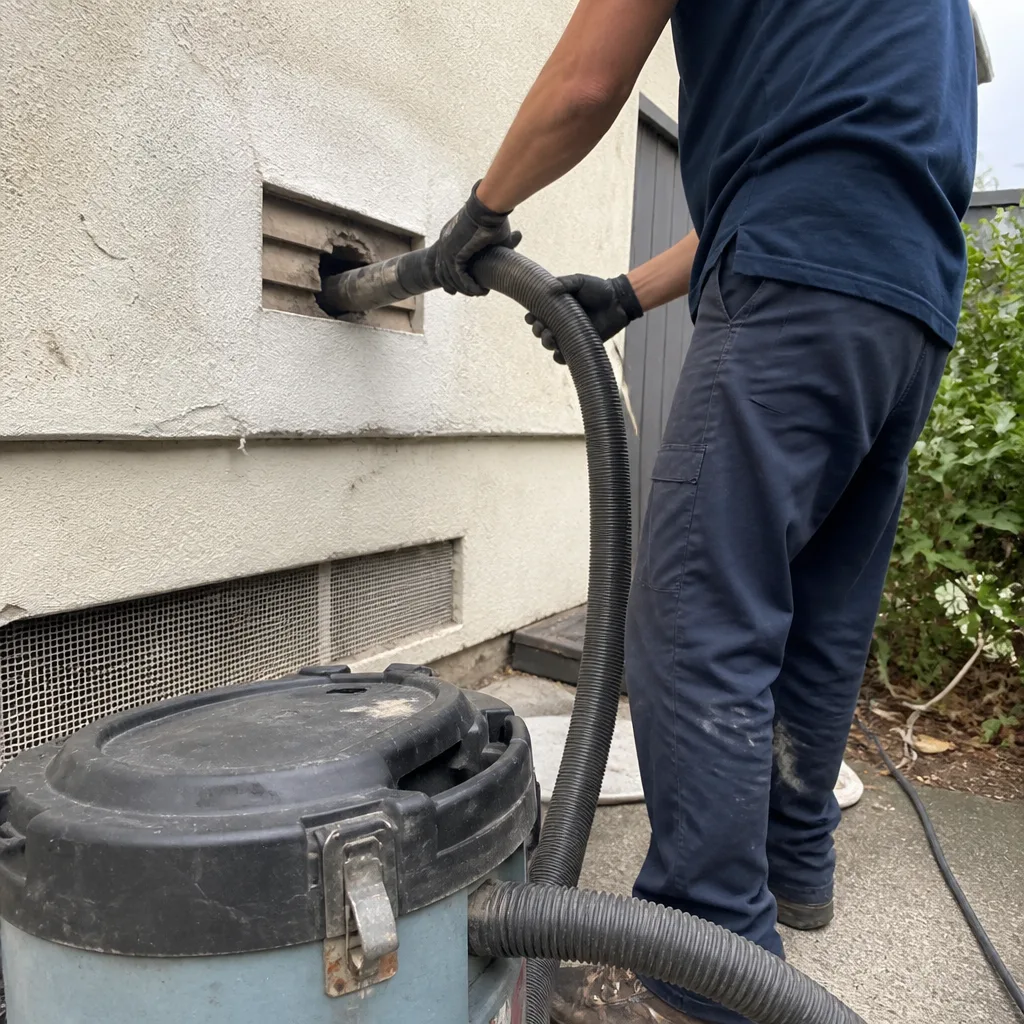 Before
 After
 Before
 After
When to Call a Professional
Call a professional if any of these are true: visible dust or debris at the registers or in the return plenum; a musty smell that comes back within minutes of the system starting; a recent renovation with drywall dust anywhere in the home; allergies that clearly worsen indoors; more than three years since the last cleaning in a medium-risk home; a dryer taking noticeably longer to dry; or a duct system with visible sagging or disconnected joints. Those all sit beyond the “wait and see” category. Duct Cleaning Fairfield offers free estimates in Fairfield. Call (844) 834-3074. We answer 24/7. Fast dispatch from 7am to 7pm, Sunday through Friday.
Frequently Asked Questions
Every 3 to 5 years for a low-to-medium-risk home, and every 2 to 3 years if you have pets, smokers, flex duct over 15 years old, or a recent renovation. Homes running MERV 8 or lower filters should lean toward the shorter end of the interval. Call (844) 834-3074 for an exact quote; estimates are free.
Yes. Fairfield sits in an agricultural valley, and seasonal field work pushes fine particulate into the outdoor air for weeks at a time during harvest. Homes with windows open or HVAC run-time high during that window pull more dust through the return grilles. A post-harvest inspection is worth the call even if you’re mid-interval.
The equipment and the containment. Cheap services often use portable vacuum rigs and air-whip-only tools that dislodge dust without capturing it. A professional job uses rotary-brush contact cleaning, high-CFM negative-pressure extraction, and HEPA filtration for containment. Ask what equipment will be on-site before booking. Call (844) 834-3074 for a quote.
No. Dryer vent cleaning runs annually for most Fairfield homes, and twice a year if your vent run is long or your household does high-volume laundry. It’s a fire-prevention measure, separate from the duct cleaning schedule. Call us to book both on the same visit if the timing overlaps.
Yes, generally. A MERV 11 or MERV 13 filter catches far more fine particulate than MERV 8, which means your ductwork sees less of it. The trade-off is airflow resistance, so the filter must be correctly sized for your system. Confirm what your system can handle before upgrading.
Ask for before-and-after photos of your own ducts, not stock images. A legitimate technician will offer them without being asked. Insist on a written estimate before work starts so the final invoice matches the scope. Call (844) 834-3074 to schedule an estimate at no cost.
The Bottom Line
The universal “every 3-5 years” rule isn’t wrong, it’s just not specific enough for Fairfield. Use the risk-tier framework to find your baseline interval, watch for the seasonal triggers (harvest dust and Diablo wind events) that warrant an early inspection, and keep a fixed filter cadence regardless of tier. Then make sure your maintenance visit includes the parts most cleaners skip: coil inspection, blower compartment check, duct joint review, and dryer vent cleaning. Skipping those turns a scheduled cleaning into a partial one. If you’re unsure where your home falls, call Duct Cleaning Fairfield at (844) 834-3074 for a free estimate. We answer 24/7. Fast dispatch from 7am to 7pm, Sunday through Friday, closed Saturday.
One last note on service scope: our three services are Duct Cleaning Fairfield, air duct repair, and dryer vent cleaning. If your system needs something outside that scope, we’ll point you toward the right specialist rather than attempt it. That’s part of treating this category of work as a craft rather than an add-on. If you’re a property manager working across multiple Fairfield properties, the same schedules apply to each unit, and we can coordinate inspections across a portfolio. Start with a call to (844) 834-3074. If you’re searching for Fairfield duct service and want a technician who’s actually equipped for it, we’re the right call.
Written by the team at Duct Cleaning Fairfield.