
Last updated November 16, 2026
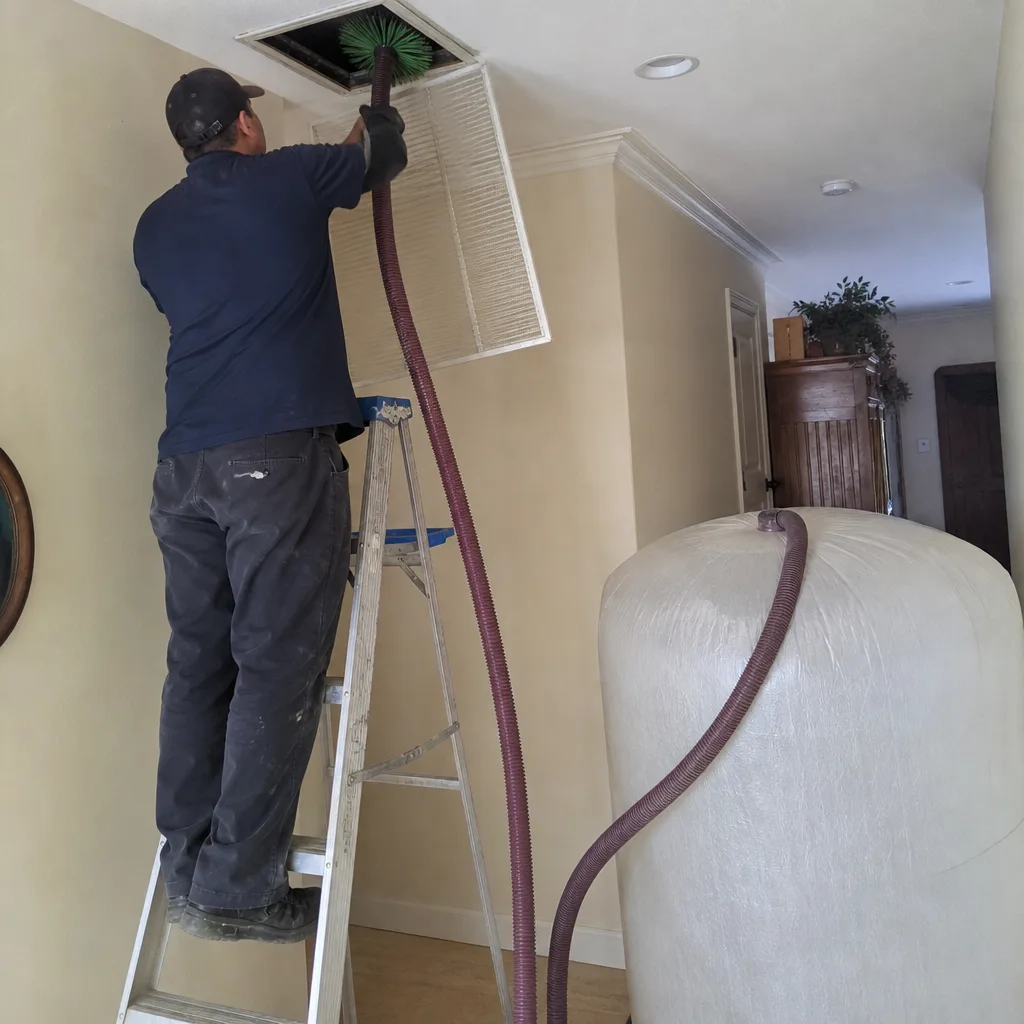
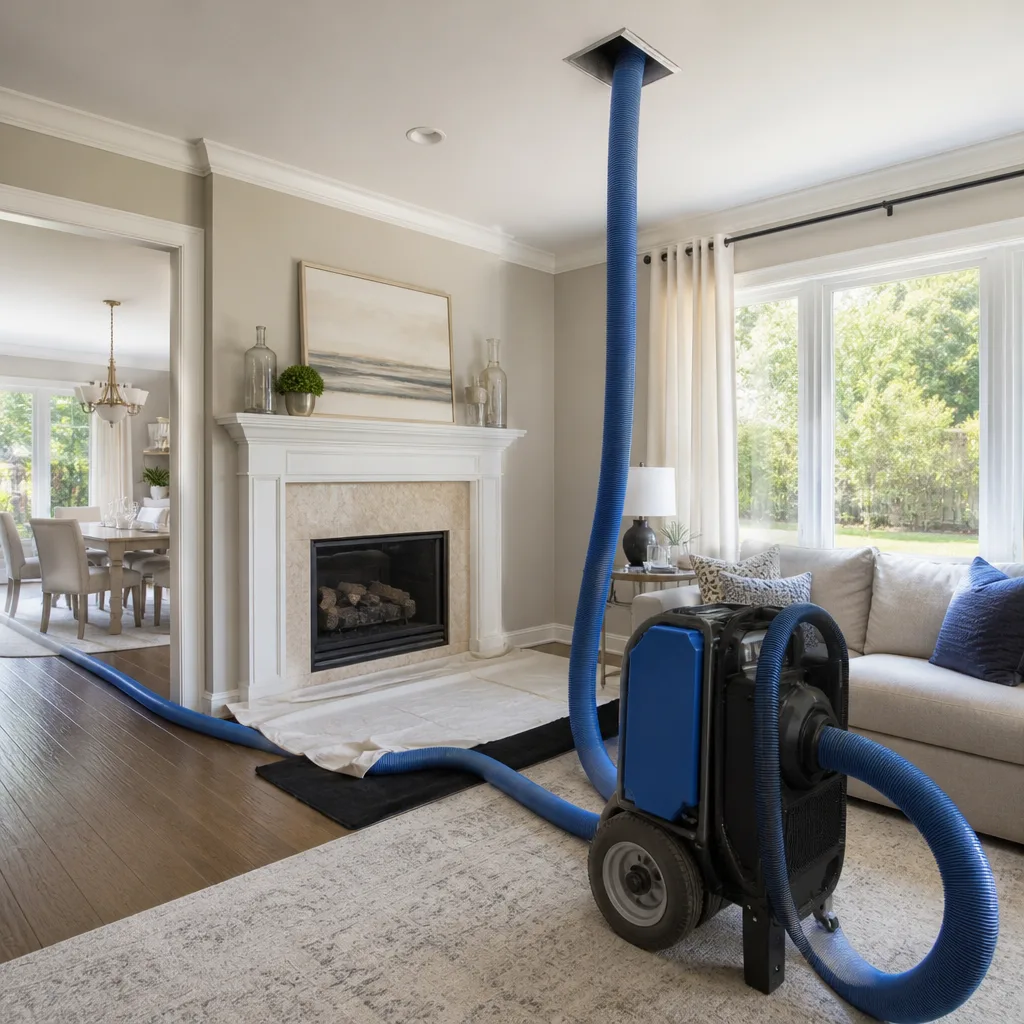 Whole-home duct cleaning
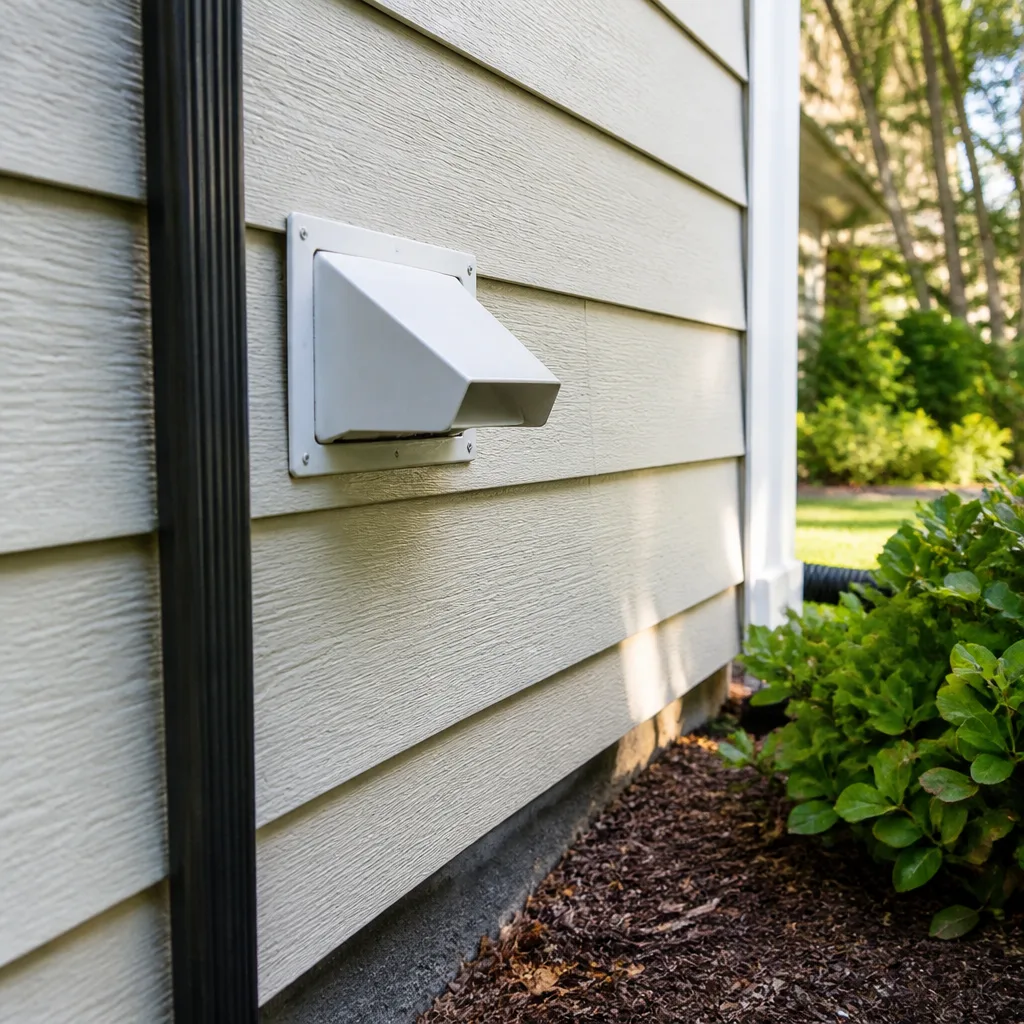 Dryer vent cleaning
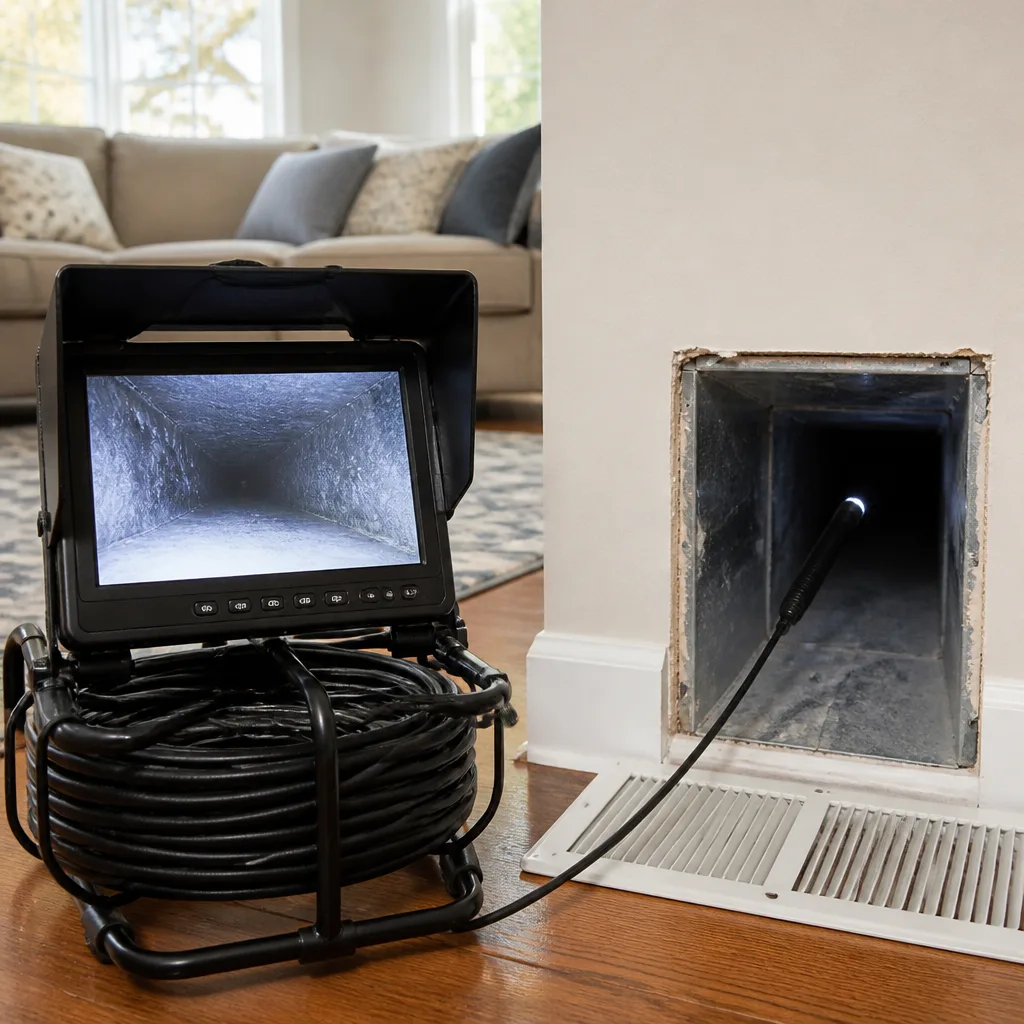 Camera inspection
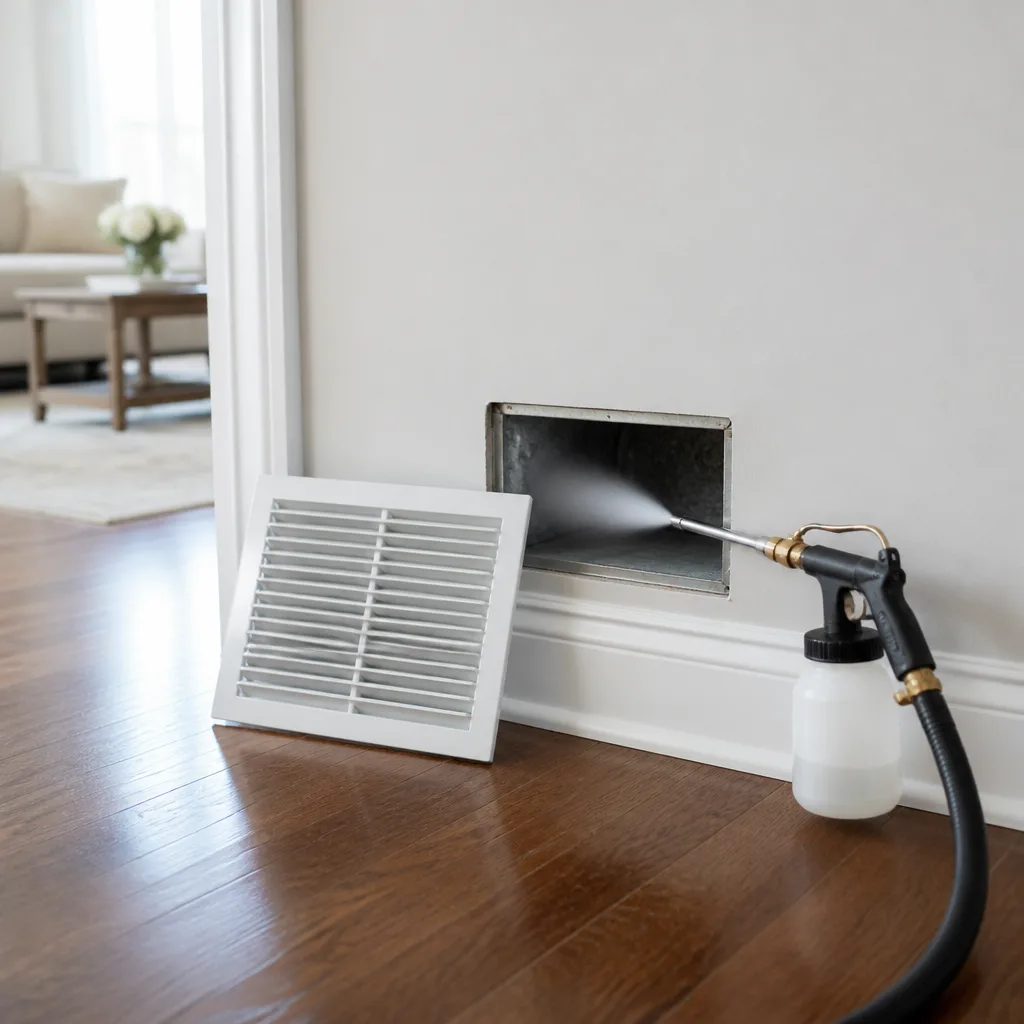 Sanitizing & deodorizing
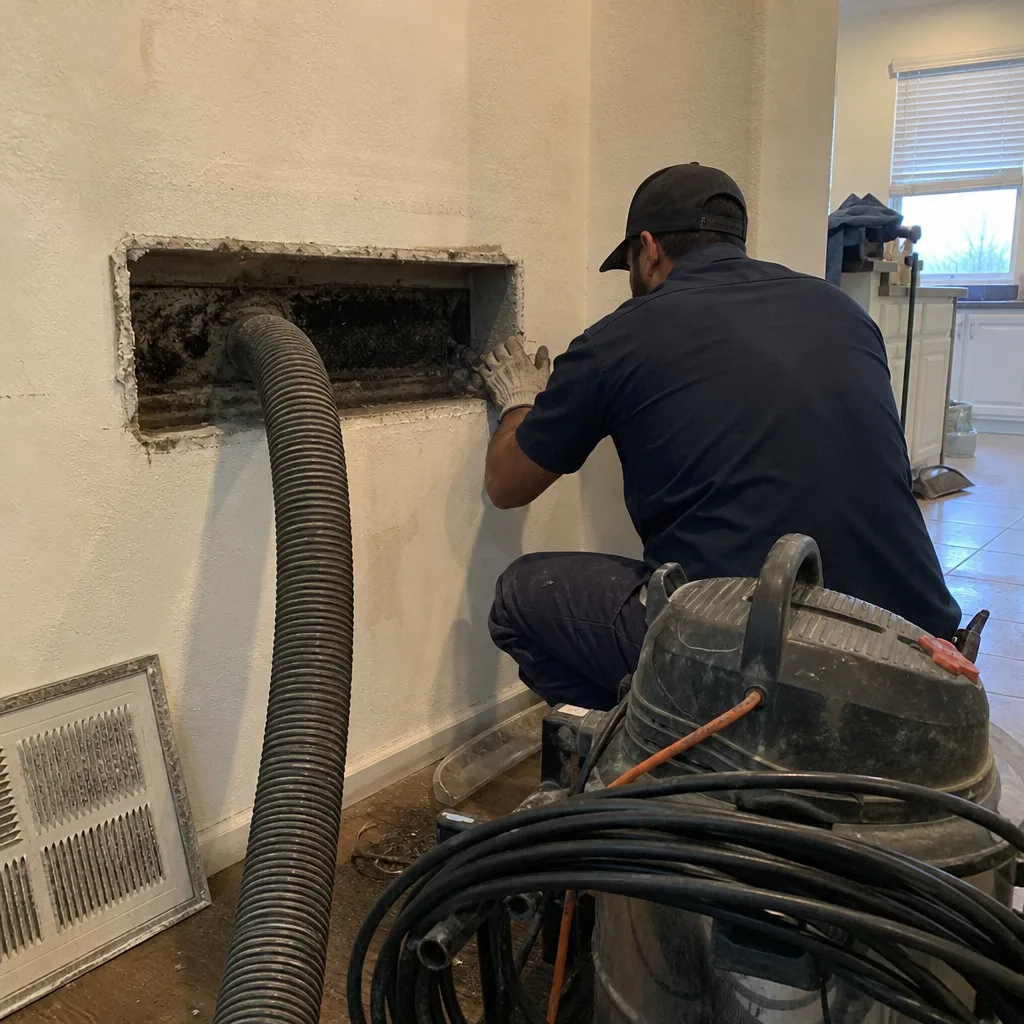
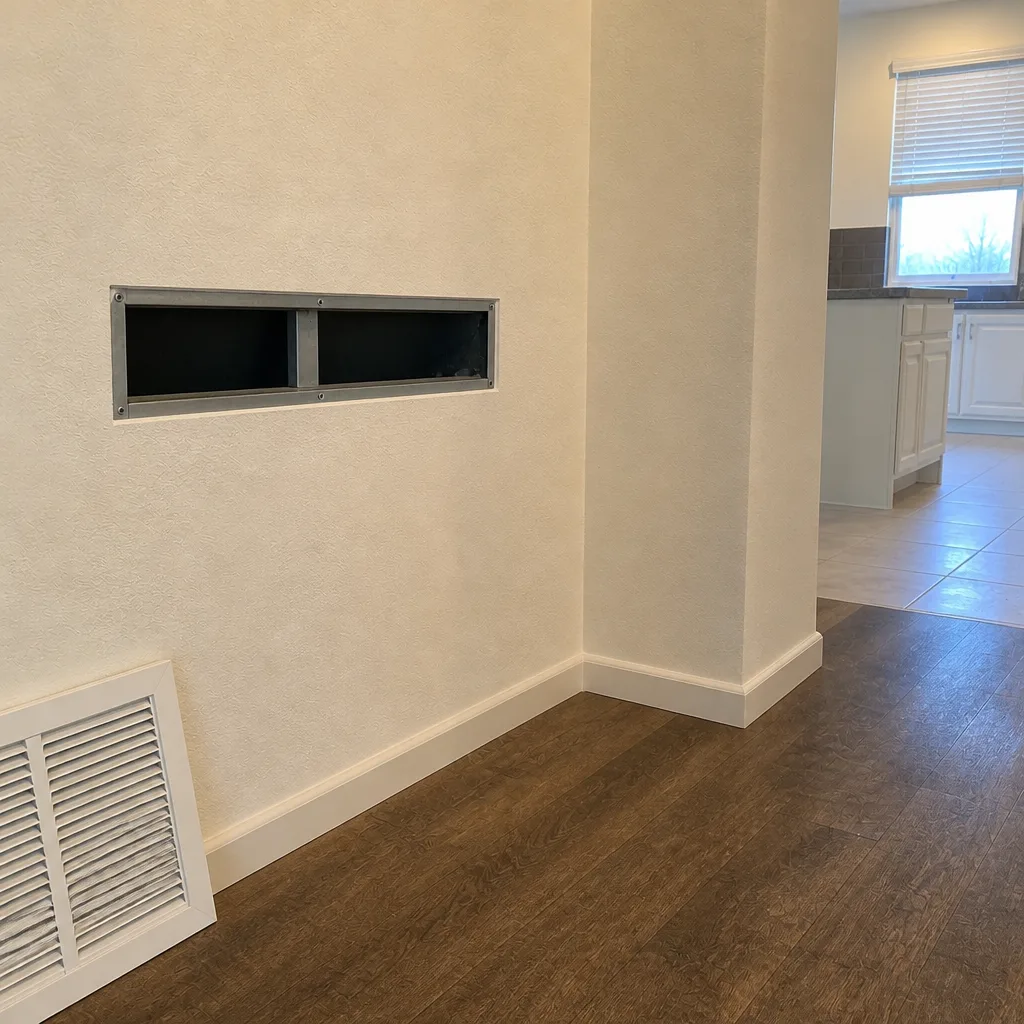
Whole-system duct and dryer vent check with before-and-after photos - you see exactly what came out of your vents
That "$99 whole-house special" is a bait ad - the real number appears once they are in your hallway, or the "clean" is a shop-vac at the register. We photograph the inside of your ducts before and after instead.
Air Duct Cleaning Permits, Codes & Inspections in Fairfield, CA: What You Need to Know
Most homeowners assume duct work is a no-permit zone, and for plain cleaning they’re right. Here’s the catch: the moment a contractor reseals a plenum, swaps out a run of flex duct, or cuts a new access panel into your system, that’s no longer cleaning. That’s an HVAC alteration, and in Fairfield it can fall under permit and inspection requirements that nobody mentions while the work is happening. The paperwork trail (or lack of one) surfaces later, often on a seller’s disclosure form during a home sale. This guide maps where the regulatory lines actually sit in Solano County, which tasks cross them, and how to protect a home you already own or one you’re about to buy.
Quick Answer
Air duct cleaning by itself does not require a building permit in Fairfield, California. But duct modification (sealing a plenum, replacing flex duct runs, cutting new access panels, relocating registers) may require a permit and inspection, and that work legally has to be done by a licensed contractor, typically holding a C-20 HVAC license. When buying or selling a home, a permit history search through the City of Fairfield building department is the fastest way to find out whether prior duct work was ever signed off.
Styles & brands we work with
- Whole-home duct cleaning
- Dryer vent cleaning
- Camera inspection
- Sanitizing & deodorizing
Table of Contents
- Cleaning vs. Modification: Where the Permit Line Is
- California Title 24 and Duct Alterations
- City of Fairfield vs. Solano County: Who Has Jurisdiction
- Why HVAC Work Requires a C-20 Licensed Contractor
- How to Verify Prior Duct Work on a Home
- What to Ask a Contractor to Document Even When No Permit Is Required
- A Step-by-Step Permit and Inspection Checklist
Cleaning vs. Modification: Where the Permit Line Is
The confusing part of this whole topic is that “duct work” covers two very different activities that get lumped together. Cleaning removes debris from inside the system. Modification changes the system itself: its shape, its connections, its air-sealing, or its physical layout inside the house. One is maintenance. The other is construction. Fairfield homeowners run into trouble when a cleaning job quietly drifts into the second category.
In our experience, here’s the practical split:
- No permit typically required: cleaning and vacuuming of existing duct interiors, brush cleaning of the plenum face, HEPA filtration during the job, replacing a filter, cleaning a dryer vent line.
- Permit may be required: cutting a new access panel through finished drywall or a plenum wall, replacing a section of flex or rigid duct, relocating a supply or return register, sealing duct connections with mastic and mesh at the plenum, changing the duct layout to serve a new room, or anything that affects the system’s rated airflow.
- Almost always requires a permit: replacing the air handler or furnace, adding a new return, or reworking the trunk line in a way that changes the system’s design.
The reason this matters in Fairfield specifically comes down to the housing stock. A lot of the city’s single-family homes have systems that were modified more than once, sometimes by homeowners and sometimes by contractors working quickly without permits. Attic and crawlspace duct runs are easy to alter and easy to hide. When a cleaning crew opens a panel and finds a hand-cut splice, duct tape over a torn flex run, or a plenum sealed with foil tape instead of proper mastic and mesh, the honest question isn’t “can you clean around this?” It’s “does this alteration have a permit?”
We treat that as part of the job. When a cleaning inspection turns up structural duct concerns, we flag them and recommend a repair path. That’s why we offer air duct repair as a standalone service rather than pretending cleaning alone fixes a system that’s been physically modified.
What counts as “cleaning” in the trade
A source-removal duct cleaning using negative air pressure and contact brushing doesn’t change the physical system. Our equipment is built for exactly that: Rotobrush rotary brushes for contact cleaning through the duct interior, Nikro vacuum units to hold negative pressure and pull debris out, and Abatement Technologies HEPA filtration to contain what’s captured. No drywall gets cut. No duct gets replaced. No permit territory.
California Title 24 and Duct Alterations
California’s Title 24 energy code is the layer most homeowners don’t know exists until it shows up in a home inspection. Title 24 sets minimum energy-efficiency standards for residential construction and alterations, and duct systems are squarely in its scope. When you alter duct work in a way that affects the system’s energy performance (sealing a plenum, replacing duct runs, changing a significant portion of the distribution system), the work can trigger an energy compliance verification requirement as part of the permit process.
What that means in practice:
- Simple cleaning of an existing system doesn’t trigger Title 24 compliance. You’re not altering the system, so no energy verification applies.
- Duct sealing and duct replacement that changes the system’s leakage or thermal performance may require documentation that the work meets the applicable energy code, submitted as part of the permit.
- Full system alterations (major duct replacement, air handler changeouts) generally require the permit to show Title 24 compliance, often including duct leakage testing as part of the final inspection.
This is where we’ve seen the disconnect in Fairfield. A homeowner hires a cleaning crew. The crew finds a plenum that’s not properly sealed, recommends resealing it, and does the work. Nobody pulls a permit. Nobody runs the Title 24 paperwork. The duct tape goes on, the job closes out, and years later the issue surfaces during a sale. The new owner inherits a system that was altered without the energy compliance verification Title 24 would have required.
The correct move when you’re facing real duct alteration is to ask for a permit. If the contractor pushes back (“we don’t need one for this”), get a second opinion from someone who will tell you straight. That second opinion is free. Regret is not.
City of Fairfield vs. Solano County: Who Has Jurisdiction
In California, building permits are issued by the jurisdiction where the property sits, not by a single state agency. In Fairfield, that generally means the City of Fairfield’s building department handles permits for properties within city limits, and Solano County handles permits for unincorporated areas outside the city boundary. The confusion comes from properties that are right at the edge.
Here’s how to figure out which one applies to you:
- Check your address’s municipal classification. The simplest way is to call the City of Fairfield or look up your property on the city’s website. Most Fairfield addresses inside city limits use city permits.
- Look at your property tax bill. If it’s assessed by Solano County with a city-limit designation, that’s a clue. If it’s assessed as unincorporated county, that’s a different pathway.
- Ask the contractor which jurisdiction the permit will be pulled from. A licensed HVAC contractor will know. A cleaning crew that doesn’t handle permitted work won’t, and that’s your answer about what they do.
- When in doubt, call the city. The City of Fairfield building department can tell you in minutes whether a given property falls under city or county jurisdiction.
Neighborhoods inside city limits (older Fairfield neighborhoods, the newer developments on the east side, and the Cordelia area) generally route through city permitting. Properties outside the boundary go through the county. Either way, the inspection process is similar: rough-in inspection before duct work is covered, final inspection after.
This jurisdiction question is exactly why we don’t push a single contractor answer on homeowners. When duct cleaning turns up a real structural problem, the next step is usually to repair it, which is where the permit question actually lives. We repair what we find, but we’re also honest about when the repair crosses into permit territory and needs a C-20 licensed contractor. There’s a difference between cleaning a system and rebuilding one.
Why HVAC Work Requires a C-20 Licensed Contractor
California’s Contractors State License Board classifies warm-air heating, ventilating, and air conditioning work under the C-20 license. When a California law says HVAC alteration requires a licensed contractor, it’s saying C-20. There’s a C-36 sheet metal license too, but for residential duct systems and HVAC alterations, C-20 is the license class that matters.
What that means for you as a Fairfield homeowner:
- Cleaning is exempt from licensure for the physical work in most cases (it’s not construction), but any contractor doing cleaning should still carry a business license and insurance. Ask for both.
- Duct modification requires a C-20 contractor. Sealing a plenum, replacing a run of flex duct, cutting a new access panel, relocating a register: this is HVAC alteration and, in practice, requires a C-20 licensed contractor to do the work legally and to pull the permit.
- Unlicensed work is legally yours. If an unlicensed contractor does permitted work, the homeowner is the one exposed at sale and potentially at insurance claim time. The permit being pulled in the homeowner’s name doesn’t protect the homeowner from poor workmanship.
We get asked often whether our cleaning crews are licensed for HVAC. The honest answer is that cleaning isn’t a licensed trade in the same sense that alteration is, but our technicians have up to 14 years of experience and the equipment we use is professional-grade specialty gear (Rotobrush, Nikro, Abatement Technologies) rather than general HVAC tools. For alteration, we say the same thing we’d tell a family member: verify the contractor holds a current C-20 license before signing.
One more safeguard worth knowing about: California requires a written contract for most home improvement jobs over $500. The written estimate and contract you receive should clearly state whether a permit will be pulled, who’s pulling it, and how much the permit costs. If a contractor puts the permit responsibility on you, ask why.
How to Verify Prior Duct Work on a Home
If you’re buying a home in Fairfield, this section matters more than any other in this guide. Duct work that was done without a permit is one of the hidden liabilities on older homes, and the sale process is where it surfaces. Verification is a sequence, not a single check.
Step 1: Pull the permit history
Start with the City of Fairfield building department (or Solano County if the property sits in an unincorporated area). Ask for the permit records on the specific address going back as far as they keep them. Look for:
- Any HVAC-related permits (furnace replacement, air handler replacement, major duct work)
- Final inspection sign-offs on those permits
- Title 24 compliance documentation on any HVAC permits
- Any open permits that were never finalized
An open permit is a red flag. A permit that was never finalized means the work was never inspected. That should go on your list of things to resolve before closing.
Step 2: Ask for as-built duct diagrams
If a permit was pulled for duct work, the permit file should include documentation of what was installed. Many older Fairfield permits won’t have detailed duct diagrams (this was standard practice decades ago), but any permit from the last 15 or 20 years should show at minimum the general duct layout and title 24 documentation. If the seller can’t produce them, and the permit history shows the work wasn’t permitted, that’s the gap you’re trying to close.
Step 3: Get a physical inspection of the duct system
This is where a professional cleaning inspection actually pays for itself. A thorough physical inspection of the duct system will reveal signs of past alterations: hand-cut openings with rough edges, duct tape over splices, mismatched duct materials, sloppy plenum connections, or a return air path that doesn’t match the equipment’s rated capacity. Those are the fingerprints of unpermitted work.
Step 4: Compare against the equipment
Find the nameplate on the air handler or furnace. Check the rated airflow (CFM). If the duct system in place can’t physically deliver that airflow, something was altered. That’s an as-built problem: the system that was installed doesn’t match what the permit drawings (if any exist) would have shown.
For more on the physical side of duct work, our page on air duct cleaning covers what a proper inspection looks like in practice.
What to Ask a Contractor to Document Even When No Permit Is Required
Here’s the part most homeowners miss. Even if no permit is needed for a cleaning job, you still want a paper trail. Why? Because the next buyer’s inspector will ask about the duct system, and “we had it cleaned two years ago” only counts if you can prove it. This is why we tell Fairfield clients to keep every bit of documentation, even on a job that didn’t touch a permit.
Ask for:
- Before-and-after photos of your own ducts. Not stock photos. Photos of the specific system they cleaned, with visible date and location information. This is the single most useful document you can hold at resale.
- A written description of what was cleaned. Which registers, which trunk lines, which return plenums, and whether the air handler coil and blower were cleaned or only inspected.
- Any findings about duct condition. If the crew found tears, separated joints, or contamination indicating a problem, that finding should be documented in writing, along with the recommendation to repair.
- Equipment and method used. Rotobrush rotary brush, Nikro negative air, Abatement Technologies HEPA containment. These specifics matter because a resale buyer’s inspector may ask what method was used, and generalities don’t help.
- Whether any work crossed into alteration. If the crew resealed a plenum or replaced a duct section, that should be stated explicitly in the report, with a note about permit status.
If you had dryer vent cleaning done at the same time, get that documented too. Lint accumulation in the dryer vent is a recognized fire risk, and a documented cleaning history is worth having.
A Step-by-Step Permit and Inspection Checklist
If a duct job crosses into alteration territory, this is the sequence it should follow. The order matters. Getting it wrong costs time and money.
- Confirm jurisdiction. City of Fairfield or Solano County, based on the property’s address. Call and confirm which one applies.
- Confirm license. The contractor doing the alteration must hold a current C-20 license. Ask for the license number and verify it on the Contractors State License Board lookup.
- Get the scope of work in writing. The written scope should be specific: which ducts are being altered, what’s being sealed or replaced, and whether the air handler is affected.
- Apply for the permit. The licensed contractor usually pulls the permit in their name, with the homeowner listed. Confirm the permit number before work starts.
- Submit Title 24 documentation. If the alteration affects system energy performance, the permit application should include the applicable Title 24 compliance documentation. The contractor handles this, not the homeowner.
- Schedule the rough-in inspection. Before duct work is covered by drywall or insulation, the building department inspects the installation. Don’t skip this step. It’s the point of the permit.
- Complete the final inspection. After the work is finished, the inspector verifies compliance and signs off. That final sign-off goes into your permit file and becomes proof of the work at resale.
If you’re dealing with a home in Fairfield and aren’t sure whether the alteration you’re facing is permit territory or just cleaning, that’s a question worth asking before any work starts. For general context on the services we cover in Fairfield, we’re happy to walk you through the split.
Common Mistakes to Avoid
- Assuming “cleaning” covers everything. Fairfield crews that reseal plenums or replace flex duct without a permit create unpermitted work in a home. It looks like a cleaning line item on the invoice, but it’s not, and the giveaway surfaces on disclosure forms years later.
- Skipping the permit history search when buying. A home inspector will look at the ducts, but they won’t pull permits. That’s on you (or your agent). A fifteen-minute call to the city is the cheapest piece of due diligence you can do.
- Hiring a cleaning crew for structural repair. Cleaning and alteration are different trades. If the job involves replacing or reworking ducts, it needs a C-20 licensed contractor, not a cleaning van with a shop vac.
- Accepting verbal documentation. “We cleaned the ducts last year” with nothing in writing is worth little at resale. Insist on written reports and before-and-after photos.
- Ignoring open permits. A permit that was pulled but never finalized means the work wasn’t inspected. That’s a problem to resolve before closing, not after.
- Not asking whether Title 24 applies. Duct sealing and duct replacement can trigger energy compliance verification. If your contractor doesn’t know that, they don’t do permitted HVAC work.
- Forgetting the dryer vent. Dryer vent cleaning is a fire-prevention service, and its condition is often overlooked when duct documentation is being assembled for a sale. It deserves the same recordkeeping.
See the difference
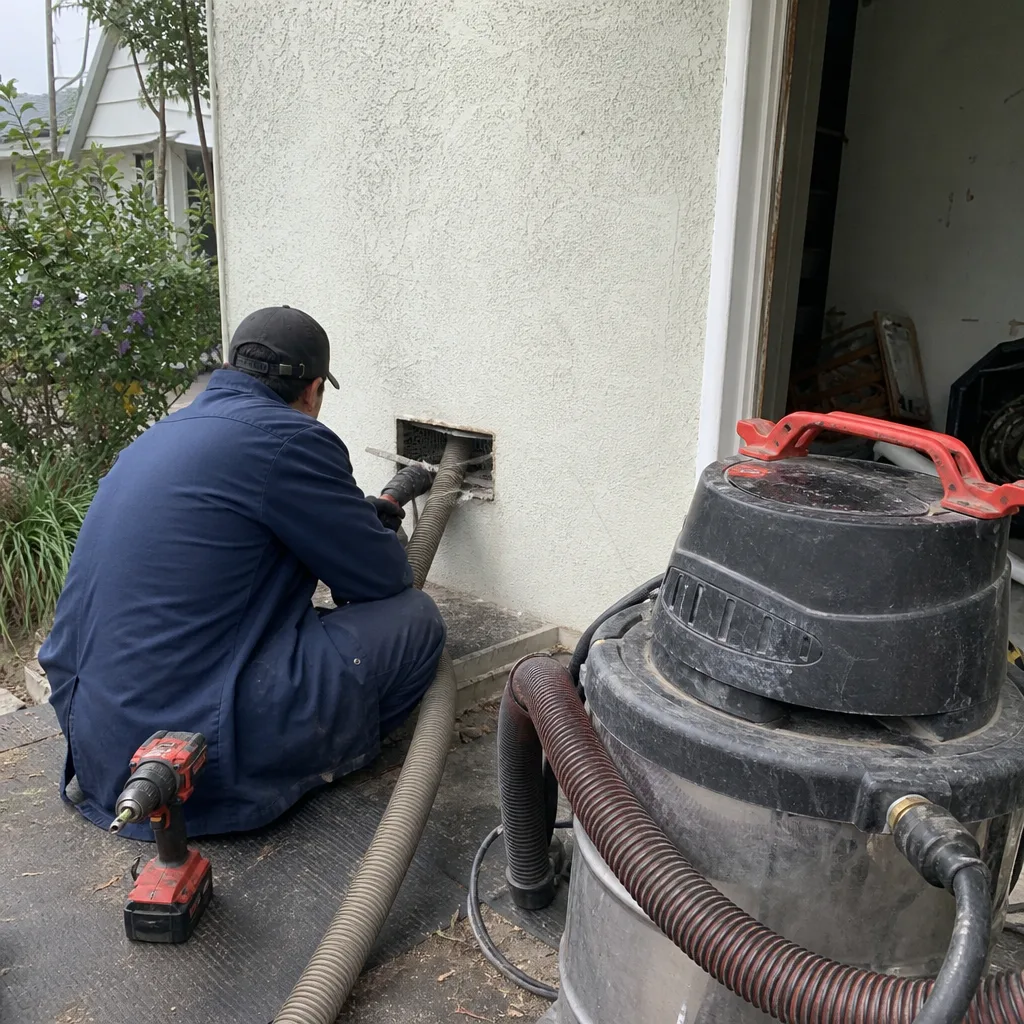 Before
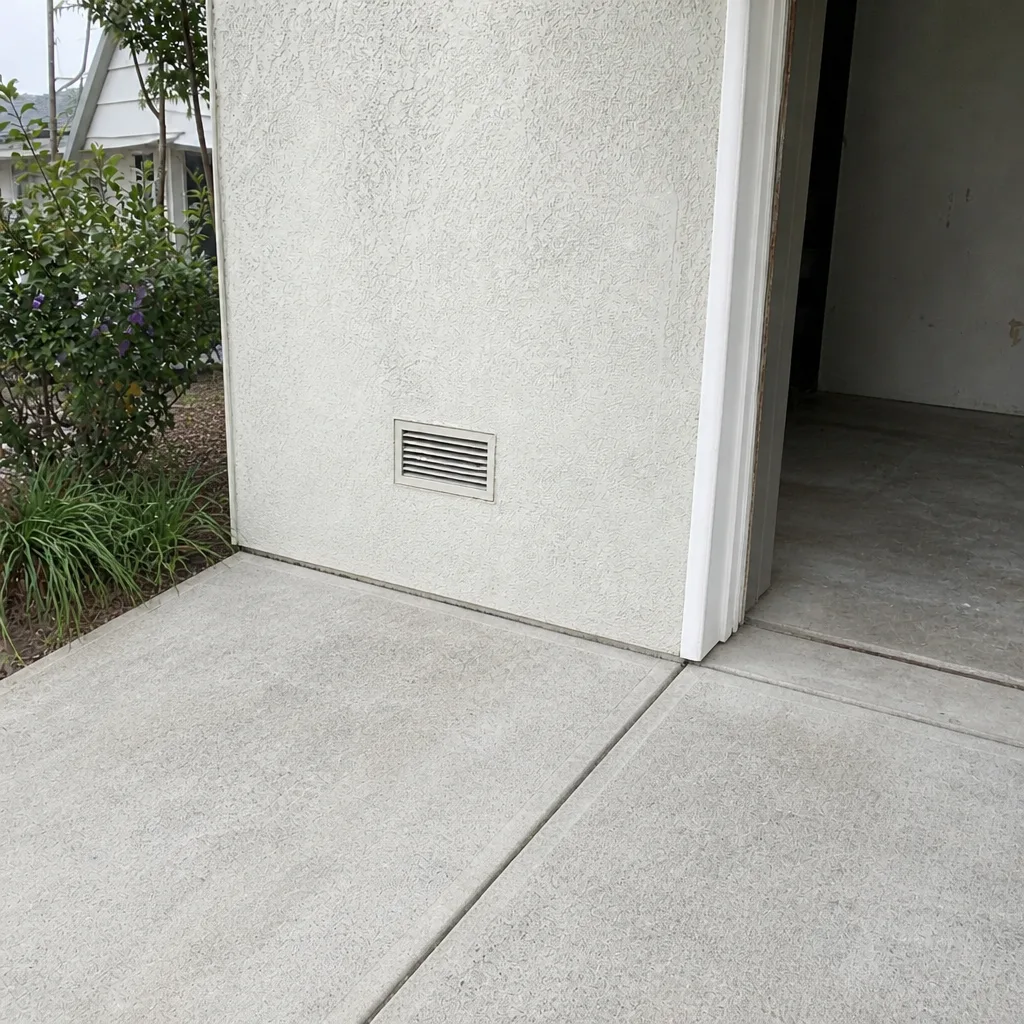 After
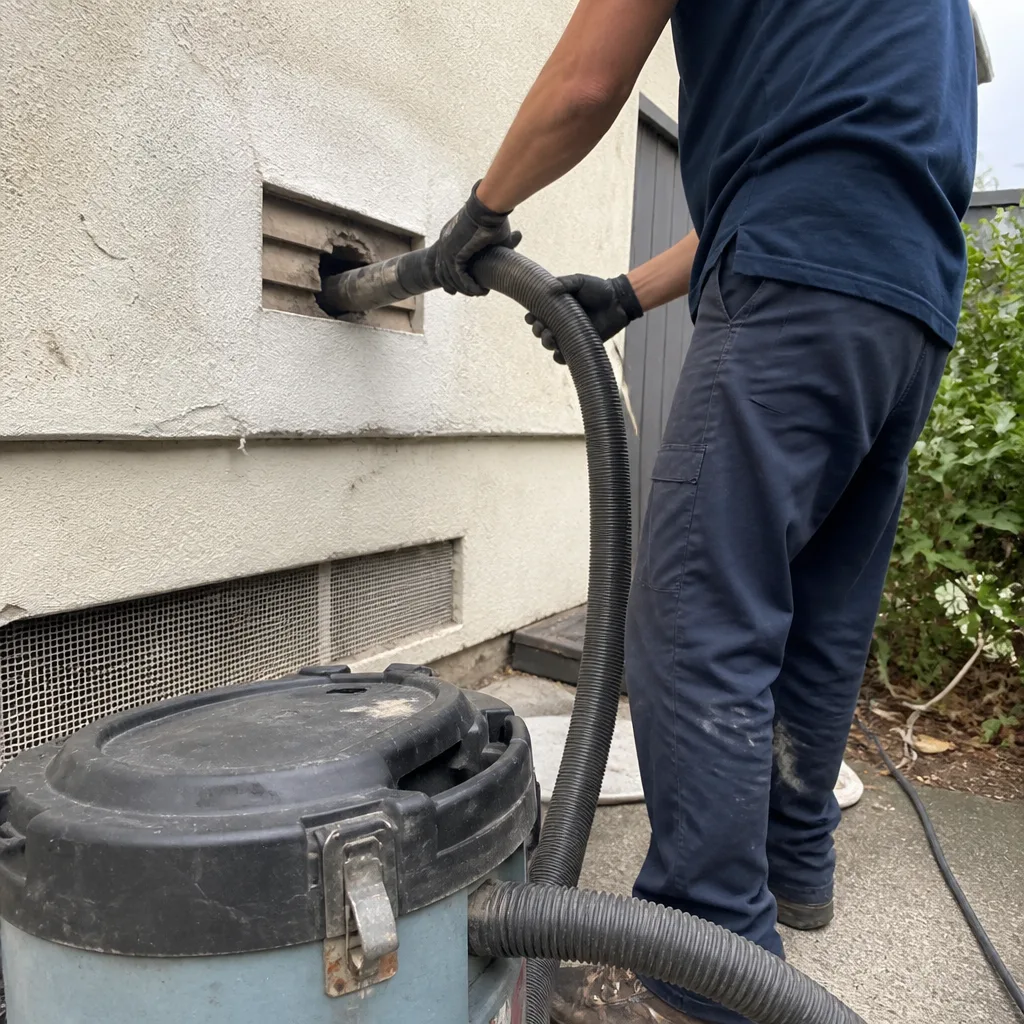 Before
 After
 Before
 After
When to Call a Professional
If you’re seeing visible dust blowing from registers after running the system, hearing whistling sounds that suggest duct leakage, dealing with allergy symptoms that seem tied to indoor air, or preparing a home for sale and needing a documented duct inspection, that’s a job for professional equipment. Our technicians have up to 14 years of experience, and we use Rotobrush rotary brushes, Nikro negative air equipment, and Abatement Technologies HEPA filtration. When the inspection turns up duct damage or unpermitted alteration, we say so plainly and recommend the right path forward. If a permit is needed, that’s the contractor’s call to make, not yours to guess at. Duct Cleaning Fairfield offers free estimates in Fairfield. Call (844) 834-3074. We answer 24/7. Fast dispatch from 7am to 7pm, Sunday through Friday.
Frequently Asked Questions
No. Cleaning the interior of existing duct work doesn’t require a building permit in Fairfield, because it’s maintenance rather than construction. Permits come into play when the work changes the system itself: sealing a plenum, replacing duct sections, cutting new access panels, or relocating registers. If you’re unsure which side of that line your job falls on, call (844) 834-3074 and we’ll tell you honestly what it needs.
Sealing duct connections at the plenum, mastic and mesh around the air handler, or reworking the trunk line can require a permit depending on scope, because it counts as an alteration to the system. Simple surface taping isn’t the same as proper duct sealing. If the work involves more than a filter change or a cleaning, ask the contractor to confirm whether a permit is needed. Call (844) 834-3074 for a free estimate and we’ll scope it together.
It depends on where the property sits. Properties inside Fairfield city limits generally go through the City of Fairfield building department, and properties in unincorporated Solano County go through the county. If you’re not sure which applies, call the City of Fairfield to confirm before work starts. If you’re facing an HVAC alteration and want to know what the work involves before you talk to the building department, call (844) 834-3074.
For duct modification and HVAC alteration, California requires a C-20 HVAC license. Plain cleaning is a different category. Before hiring any contractor for alteration work, ask for their license number and verify it on the Contractors State License Board lookup. If we find duct damage during a cleaning inspection, we’ll tell you whether the repair needs a licensed contractor and recommend the right one. Call (844) 834-3074 for a free estimate.
Pull the permit history from the City of Fairfield building department (or Solano County for unincorporated properties) using the property address. Look for HVAC-related permits, final inspection sign-offs, and any open permits that were never finalized. Also ask the seller for any as-built duct diagrams or written documentation from prior work. If the history is thin, a professional duct inspection will reveal signs of unpermitted alteration. Call (844) 834-3074 to schedule one.
Potentially, yes. Unpermitted HVAC alterations can surface on disclosure forms, and a buyer’s inspector may flag the work. In some cases, the sale can be delayed until the permit is pulled retroactively or the work is documented. The cheapest way to protect yourself is to keep a complete paper trail, including before-and-after photos and written reports, from every duct job on the property. Call (844) 834-3074 for a professional duct inspection and written report.
Title 24 doesn’t apply to cleaning, because cleaning doesn’t alter the system. But Title 24 does apply to duct sealing, duct replacement, and major system alterations, and it can require energy compliance verification as part of the permit process. If a contractor tells you a duct alteration doesn’t involve Title 24, get a second opinion. Call (844) 834-3074 for a free assessment of what a duct job needs.
The Bottom Line
Cleaning your ducts doesn’t require a permit in Fairfield, but the moment the work turns into modification (resealing a plenum, replacing a duct run, cutting a new access panel), you’ve crossed a regulatory line. That line involves Title 24 energy compliance, a C-20 licensed contractor, and a city or county inspection. Homeowners who don’t know about it end up with unpermitted work that surfaces on disclosure forms years later. The fix is simple: get the permit when you should, document everything, and keep the paper trail. When in doubt, ask the contractor what’s needed and refuse to guess. Duct Cleaning Fairfield covers cleaning, dryer vent work, and air duct repair. Call (844) 834-3074 for a free estimate. We answer 24/7. Fast dispatch from 7am to 7pm, Sunday through Friday. Visit our Duct Cleaning Fairfield homepage to see what we cover.
Written by the team at Duct Cleaning Fairfield.