
Last updated November 16, 2026
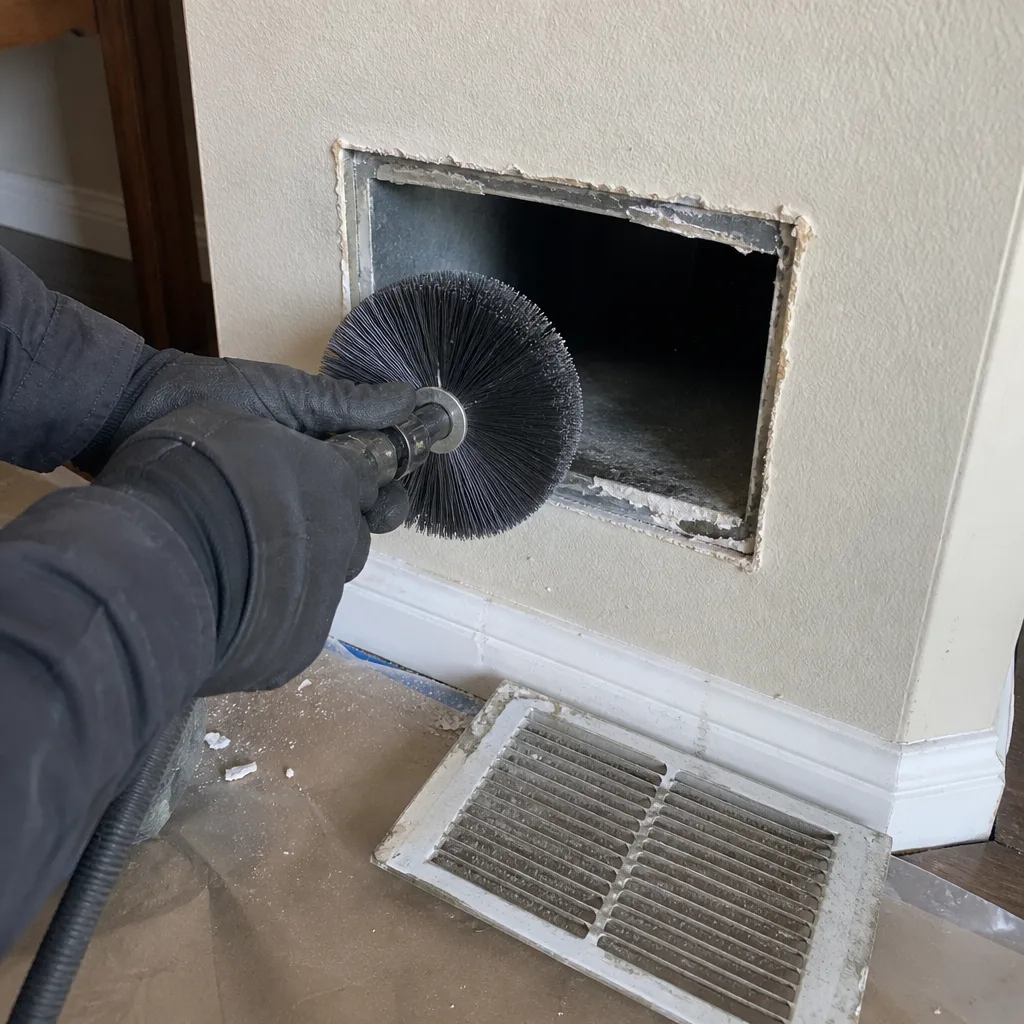
 Whole-home duct cleaning
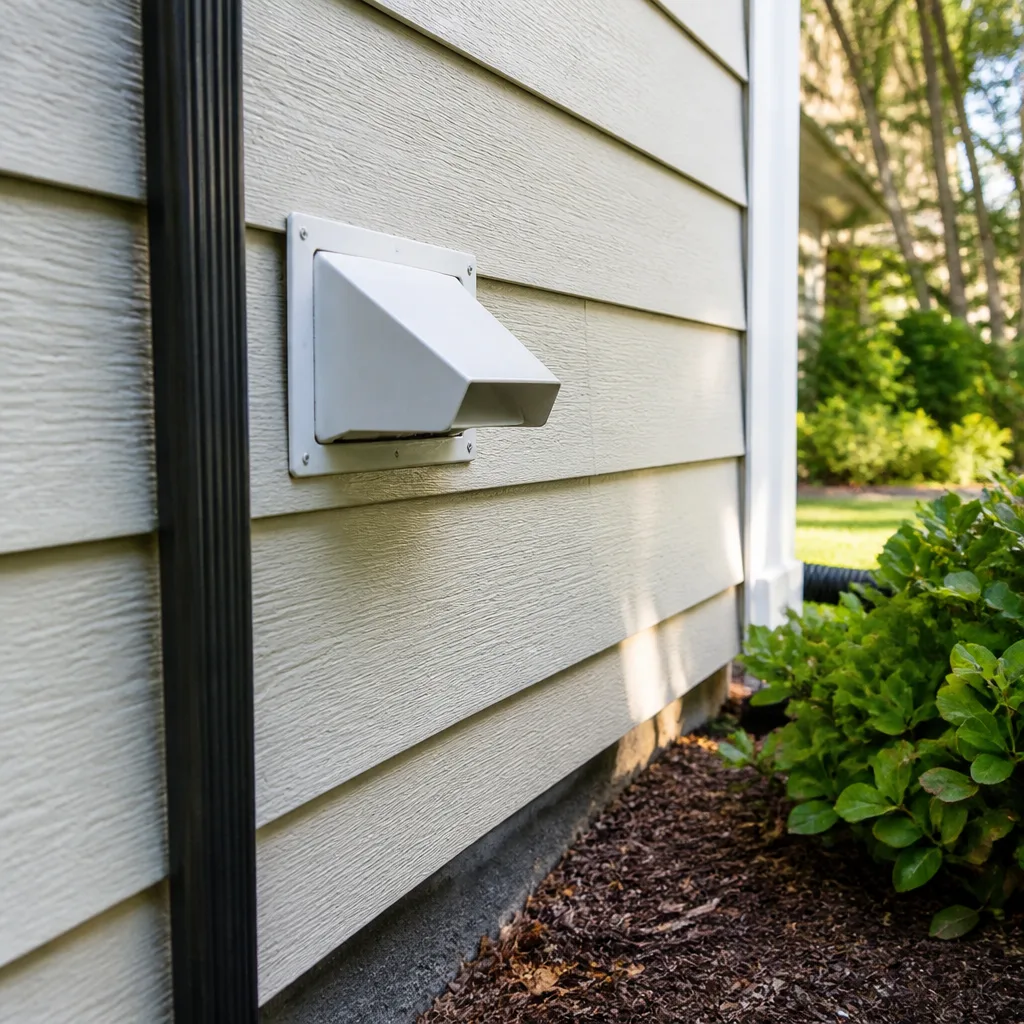 Dryer vent cleaning
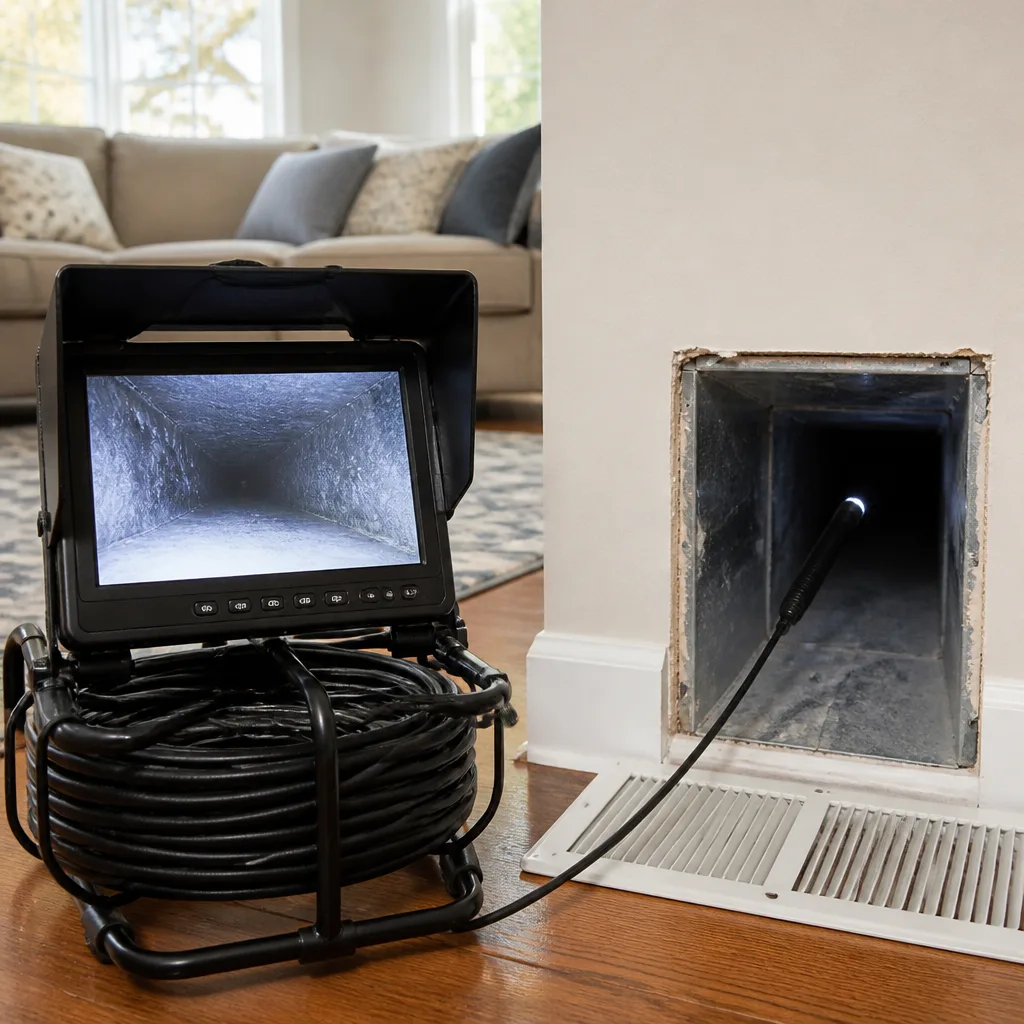 Camera inspection
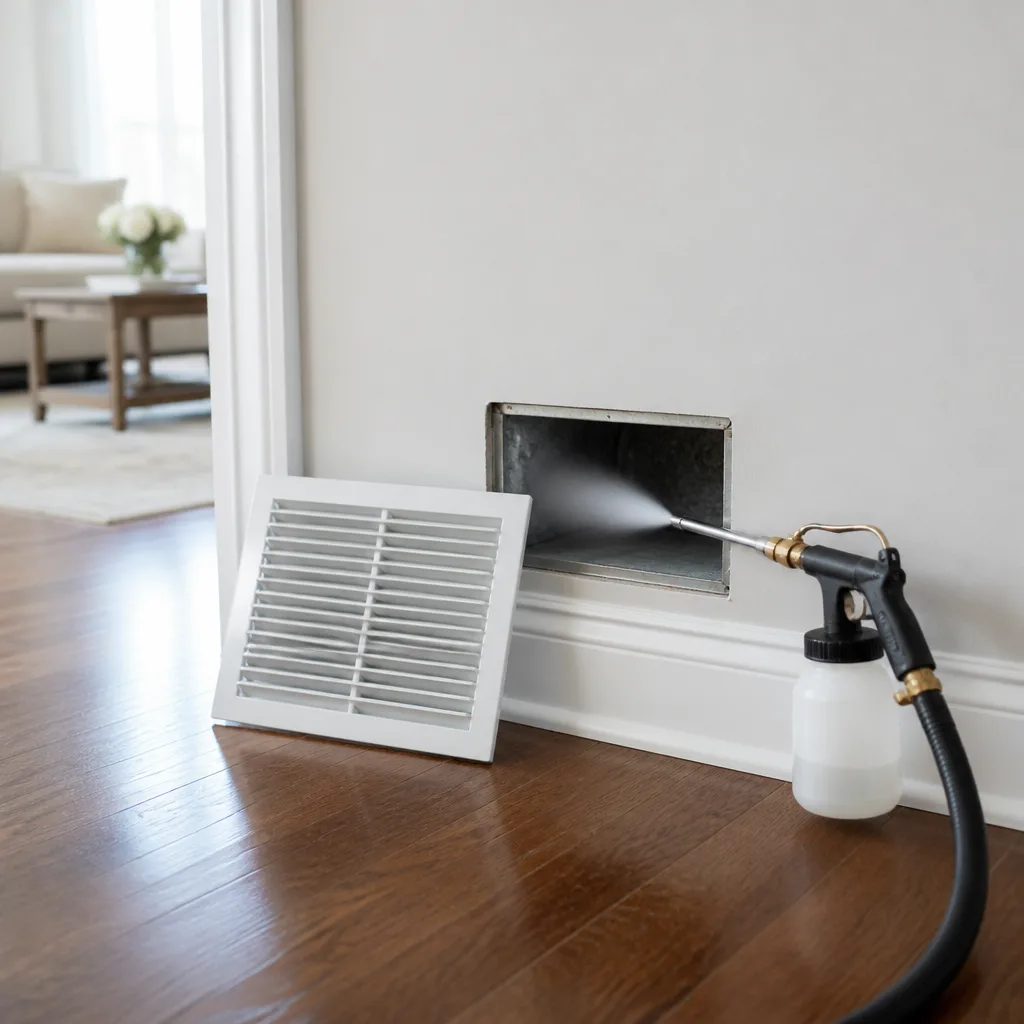 Sanitizing & deodorizing
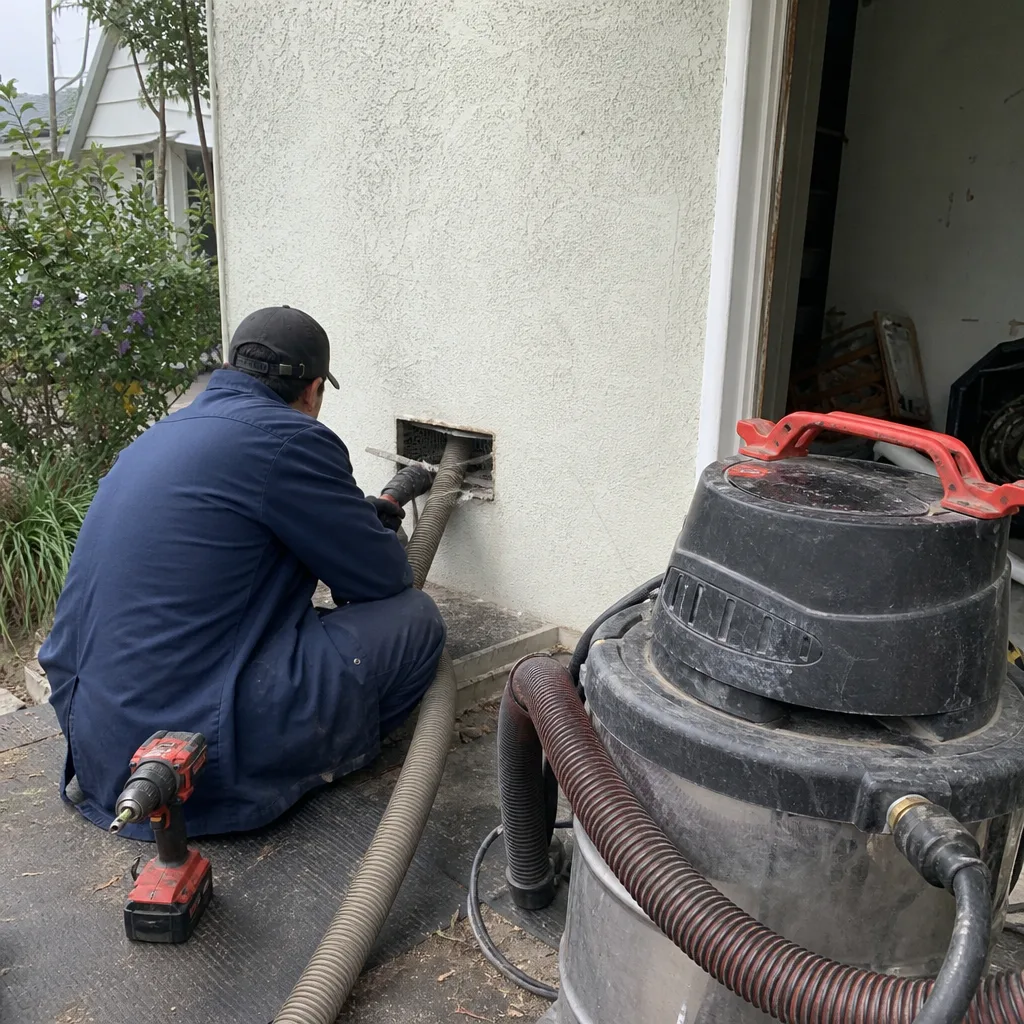
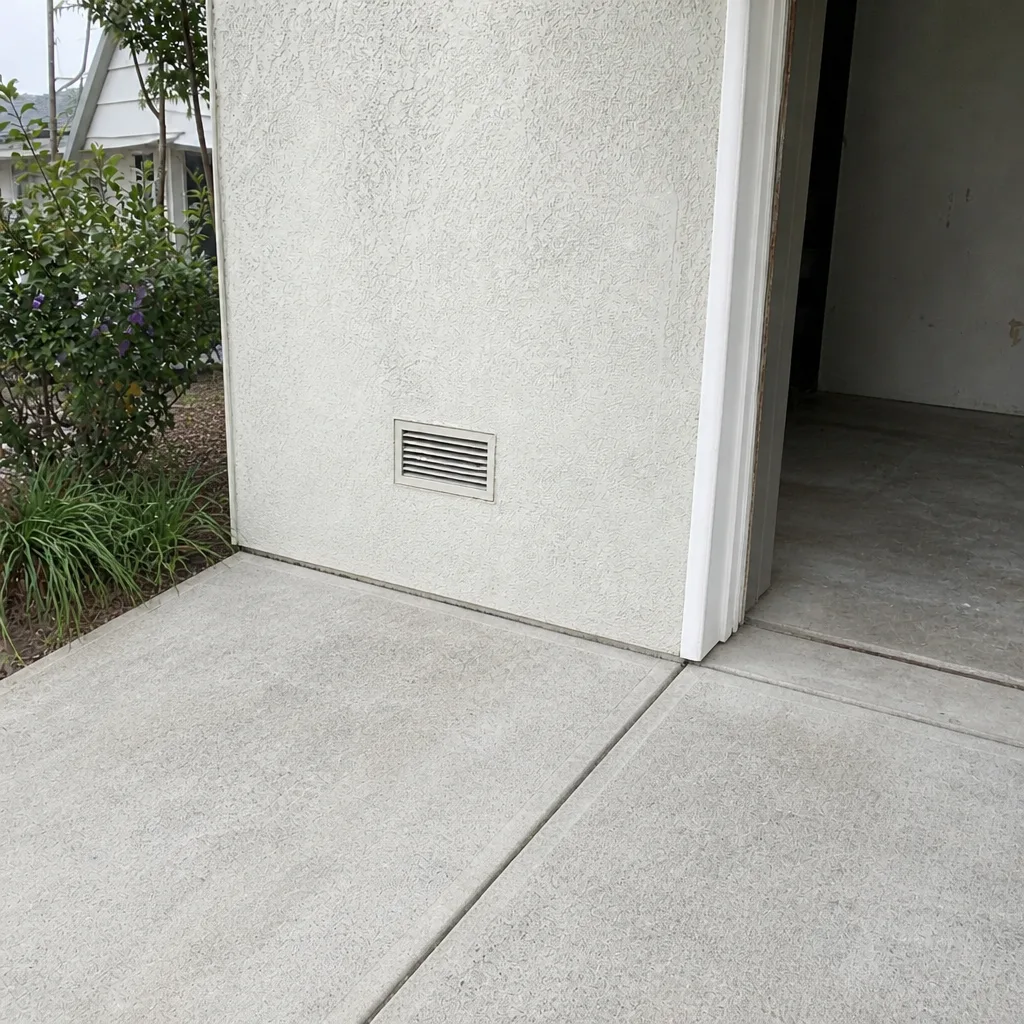
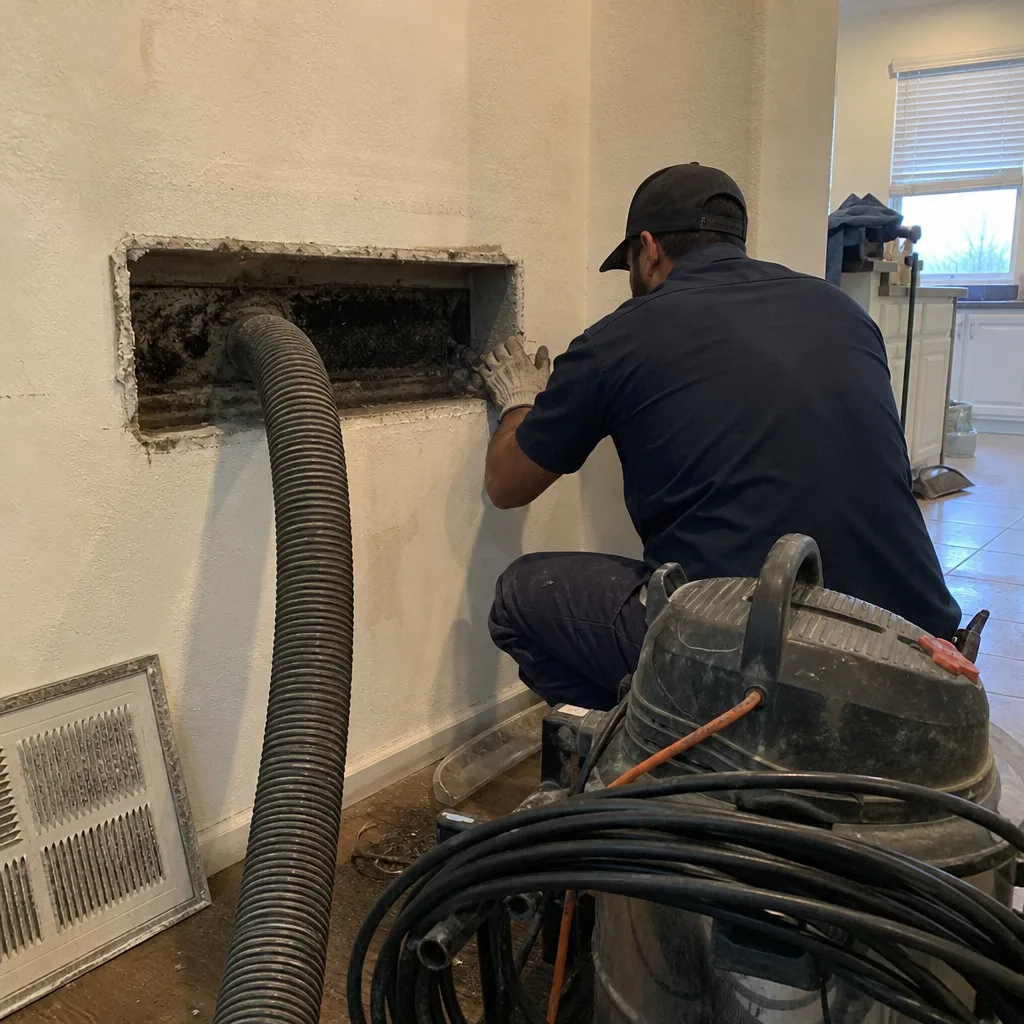
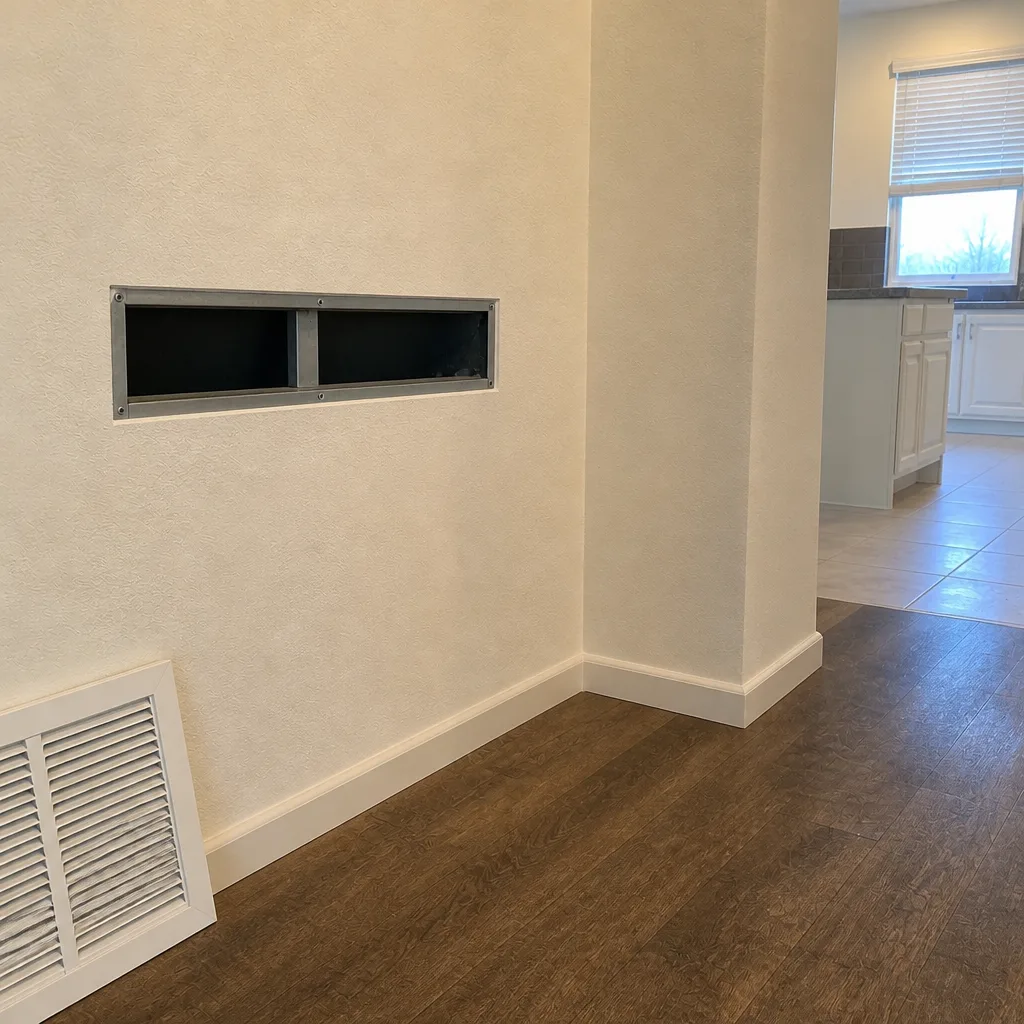
Whole-system duct and dryer vent check with before-and-after photos - you see exactly what came out of your vents
That "$99 whole-house special" is a bait ad - the real number appears once they are in your hallway, or the "clean" is a shop-vac at the register. We photograph the inside of your ducts before and after instead.
Air Duct Cleaning Maintenance Checklist for Fairfield Homeowners
Changing your filter on schedule is the most common duct maintenance advice – and it’s incomplete. A clogged return grille upstream of a clean filter still creates the pressure differential that pulls insulation fibers and debris into your supply plenum. Filter changes matter, but they’re one line on a longer checklist. What follows is a working maintenance routine for Fairfield homeowners: monthly visual checks you can actually do, seasonal triggers tied to this valley’s dust and smoke, a filter log that tells you when cleaning is overdue, and a simple decision tree for when to self-monitor versus call for professional help.
Quick Answer
A homeowner duct maintenance checklist for Fairfield covers four rhythms: monthly visual checks of return grilles and register airflow, filter replacement logged with MERV ratings and dates, seasonal attention to dust and smoke events between July and October, and a professional inspection whenever airflow drops, odors change, or contamination is visible. Most Fairfield homes need filter changes every one to three months and a professional duct cleaning every three to five years, sooner after renovations, attic work, or extended wildfire smoke seasons.
Styles & brands we work with
- Whole-home duct cleaning
- Dryer vent cleaning
- Camera inspection
- Sanitizing & deodorizing
Table of Contents
- Monthly Visual Checks You Can Actually Do
- The Filter Log: Dates, MERV Ratings, and What They Tell You
- Seasonal Triggers Specific to Fairfield
- What to Check After HVAC Repairs and Attic Work
- When to Self-Monitor, When to Call for Inspection, When to Clean
- Why Equipment Quality Determines Whether Cleaning Works
- Repair vs. Clean: Fixing the Cause, Not the Symptom
- Dryer Vent: The Other Duct in Your Home
Monthly Visual Checks You Can Actually Do
The best duct maintenance checklist is one you’ll follow. Monthly visual checks take about ten minutes and catch the conditions that quietly accelerate contamination between professional cleanings. None of these checks require tools beyond a flashlight and a few minutes of quiet.
Start with your return grilles. A return grille is where air leaves the room and heads back to the air handler. If the grille face is visibly dusty, that dust is also coating the duct behind it, and the filter downstream is working harder than its rating assumes. Check that the grille isn’t blocked by furniture, rugs, or a pushed-up couch cushion. Blocked returns are one of the most common causes of unbalanced airflow in Fairfield homes with newer, tighter floor plans.
Next, walk the house and hold your hand near each supply register while the system runs. Airflow should feel roughly consistent from room to room. A register that’s noticeably weaker than its neighbors suggests a leak, a disconnected run, or a damper that’s closed. A register that’s noticeably stronger suggests the opposite: a restriction elsewhere is forcing air through that path. Neither is dangerous, but both mean the system is working against itself.
Finally, pay attention to smell. Run the system for a few minutes after it’s been off and notice what arrives at the registers. A musty smell points toward moisture somewhere in the system. A burnt or hot-dust smell after startup is often just a heat exchanger warming up; if it lingers, note it. A chemical or unusual odor is worth investigating. Catching odor changes early is far cheaper than tracking them down later.
- Return grilles: check for visible dust buildup and blockage by furniture or rugs
- Supply airflow: compare feel at each register – weak or strong spots both warrant a note
- Odor check: run the system briefly and log any new smell, especially musty or lingering
- Visible dust trails: streaks near a register can point to a leak at the boot or collar
- Filter condition (visual): if the filter looks grey, replace it regardless of the calendar
The Filter Log: Dates, MERV Ratings, and What They Tell You
Most homeowners change filters on a vague schedule and forget the last date within a week. A simple written or phone-notes log fixes that and gives you real data to judge when professional cleaning is overdue. What you’re looking for isn’t a perfect record; it’s the pattern.
Write down three things every time you change a filter: the date, the MERV rating of the filter you removed, and the MERV rating of the one you installed. MERV is the rating that describes how fine a particle a filter captures; higher numbers catch smaller particles but also create more airflow resistance. The right MERV for your system depends on what your air handler was designed for – a filter that’s too restrictive can strain the blower – so it’s worth confirming the correct range with your HVAC technician rather than assuming higher is always better.
The pattern you’re looking for is the interval between changes. If you’ve been changing filters every three months at the same MERV rating and the interval suddenly needs to be every month, something has changed: more dust is reaching the filter, which usually means it’s coming from upstream. That upstream source might be a return grille that’s lost its seal, a duct run that’s leaking into an attic space, or a construction project elsewhere in the house. It might also mean a filter has gone in backwards, which effectively removes its dust-holding capacity.
If you’ve kept the log and see three or four consecutive intervals that are shorter than usual, that’s a reasonable point to stop guessing and have someone look at the ducts themselves. A camera inspection lets you see what the filter can’t tell you.
- Note the date of each filter replacement.
- Record the MERV rating of both the old and new filter.
- Note the visual condition of the old filter (light grey, dark grey, visibly loaded).
- Note any change to the household in that period (renovation, new pet, extended smoke season).
- Review the log every six months; look for shortening intervals and match them to events.
Seasonal Triggers Specific to Fairfield
Fairfield sits in a valley that collects dust in ways coastal or hilltop communities don’t. The seasonal rhythms that matter to your ducts here are different from generic HVAC advice, and paying attention to them is one of the most useful things a homeowner can do.
Late summer and early fall are the big dust events. The dry months before the first real rains bring wind-borne particulate into the air, and open windows pull it straight into returns. If you’ve had windows open during a dusty stretch, expect your filter to load faster than usual and note the date in your log. Wildfire smoke is the other major seasonal factor, typically running from July through October. Smoke infiltration doesn’t just affect the air in a room – it leaves odor-causing deposits on duct surfaces that persist long after the visible smoke clears. If your home sat through a heavy smoke season with the windows open, that’s a real reason to consider a professional cleaning sooner than the filter log alone would suggest.
Rainy season brings the opposite risk. After periods of rain, indoor humidity climbs, and any moisture that reaches the ducts or the air handler becomes an environment mold can use. This is where a musty smell you first noticed on your monthly check becomes a clue worth following. The fix isn’t usually a cleaning – it’s identifying and repairing the moisture source, then cleaning and treating what was contaminated.
If you’re new to the area, spending time on a Fairfield neighborhood level – whether you’re in the older streets near downtown or a newer development on the edges – is useful because housing stock varies. Older homes with original sheet metal ducts and newer homes with flex duct each have their own failure modes, and knowing which you live in shapes what your checklist should emphasize.
- July-October: watch for smoke infiltration, log window-open periods, check filter load more often
- Late summer/early fall: dust events; expect shortened filter intervals after windy stretches
- Post-rain periods: raise the priority of odor checks and humidity awareness
- First cool snap: run the system briefly and note any musty smell that emerges
- Post-renovation: plan a full duct cleaning after drywall work or major remodels
What to Check After HVAC Repairs and Attic Work
Two events in a Fairfield home most reliably introduce contamination into the ducts: HVAC repairs and attic work. Both open up the system to the surrounding space, and both are easy to overlook once the work is done and the house feels normal again.
After any HVAC repair – a blower replacement, evaporator coil work, a duct modification, or a full system changeout – check three things. First, ask what was disturbed. Coil cleaning, for example, can release debris downstream that will end up in your supply runs. Second, check the return plenum for visible dust or debris that wasn’t there before. Third, note the change in your filter log with a date, because the interval may shorten in the weeks after the work.
Attic work is the larger hazard. Attic insulation is loose by design, and any time a contractor is up there cutting, drilling, or moving around, fibers can fall into open duct joints, cracked connectors, or disconnected runs. If you’ve had a roof replacement, insulation work, an attic fan installed, or anything else up there, walk the ducts where they’re visible from below or through an access hatch and look for insulation fibers sitting on top of flex runs or falling through a gap. Flexible duct with a torn section will pull attic air – and attic dust – straight into the supply side.
After either event, run the system quietly for a few minutes and listen. Hissing, whistling, or a fluttering sound may indicate a leak or a partially disconnected joint. If something has clearly come loose, the right fix is a repair – not a cleaning – which is why our Duct Cleaning Fairfield work routinely pairs the two.
- Ask the contractor what was opened, cut, or disturbed during the job.
- Look for insulation fibers, sawdust, or drywall dust on visible duct surfaces.
- Run the system briefly and listen for hissing, whistling, or flutter at joints.
- Check return grilles for a new layer of dust within a week of the work.
- Log the date in your filter log and watch for a shortened interval.
- If anything looks visibly loose or torn, schedule a repair inspection before cleaning.
When to Self-Monitor, When to Call for Inspection, When to Clean
The most useful line in a maintenance checklist is the one that tells you which action to take. Here’s a practical decision tree for homeowners in Fairfield who want to avoid over-spending and also avoid missing real problems.
Self-monitor when: you’re seeing only normal dust at returns, the filter log shows consistent intervals, airflow at registers feels balanced, and no unusual odors turn up on the monthly check. In this state, keeping the log and following the seasonal triggers is enough. You don’t need to be on anyone’s schedule.
Call for a camera inspection when: your filter intervals are shortening without an obvious explanation, a smell has appeared that persists after the system has run for a few minutes, one register has distinctly different airflow from its neighbors, or you’ve had an HVAC repair or attic work and something doesn’t feel right. A camera inspection is a diagnostic step – it lets you see what the duct looks like from inside and decide whether cleaning is warranted.
Schedule a full cleaning when: you have visible contamination in the ducts (insulation fibers, construction debris, visible dust buildup on duct interiors – not just at grilles), you’ve been through a heavy wildfire smoke season with the system pulling outside air, you’ve completed a renovation that generated drywall dust, or the ducts haven’t been cleaned in four or more years and the home is showing one of the other signs. Cleaning a duct system that’s already in good shape doesn’t accomplish much, and it’s worth avoiding a cleaning you don’t actually need.
When you do decide to clean, this is the point to look at air duct cleaning not as a punchline in your routine but as a specific technical step: the source of contamination needs to be identified and removed, not just blown in a different direction.
Why Equipment Quality Determines Whether Cleaning Works
A duct cleaning is only as good as the equipment behind it, and equipment is where most cut-rate services fall short. The difference between a professional cleaning that makes a real improvement and one that simply moves dust around comes down to three things: contact cleaning, negative pressure, and containment.
Contact cleaning means the duct surface itself is being mechanically agitated – not just blown with a whip of air. We run the Rotobrush rotary brush system for this, because a rotary brush actually reaches duct walls and detaches the layer of debris that has bonded to them. Air-whip-only methods can dislodge loose dust but often leave the bonded layer behind.
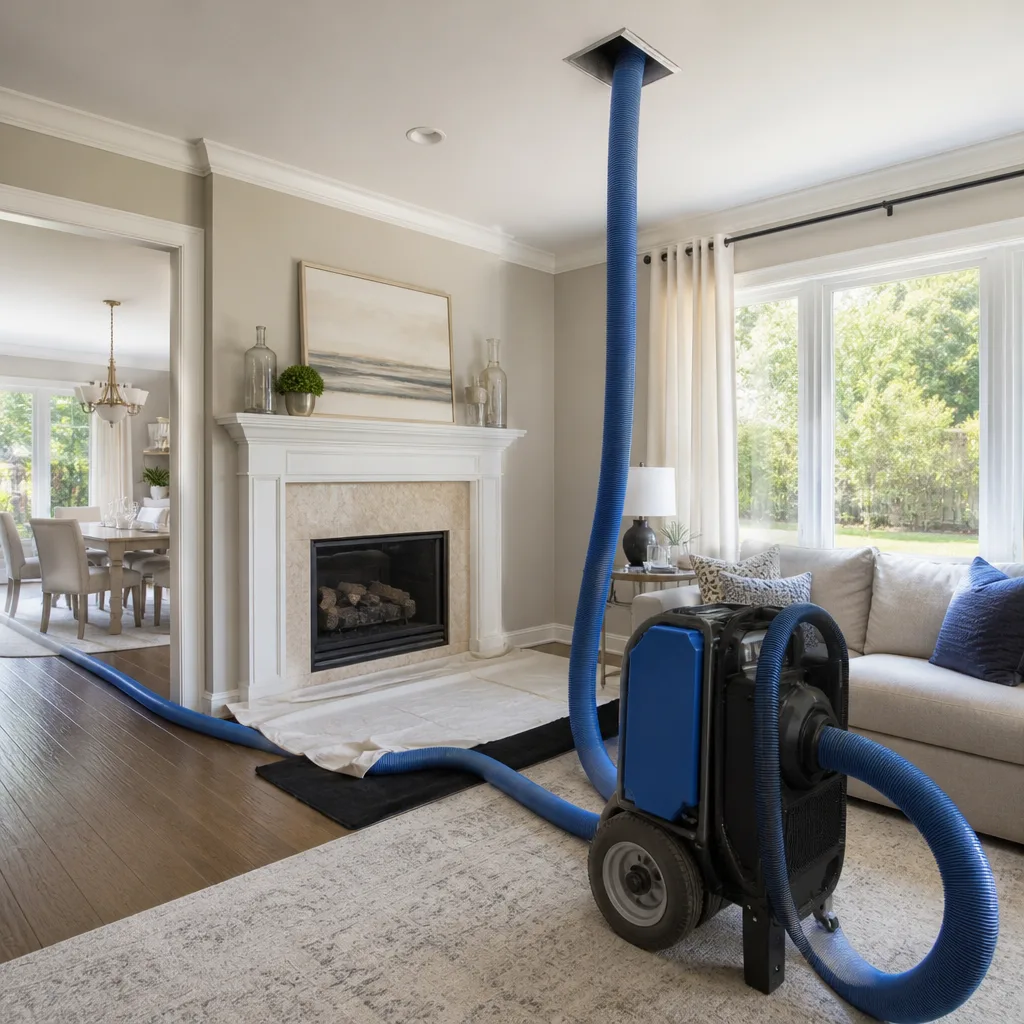
The second element is negative pressure. The Nikro vacuum systems we run pull high CFM through the duct while the brush is working, so the dislodged debris is extracted, not redistributed into the living space. Without strong negative pressure, agitation just sends contamination downstream.
The third element is containment. Our Abatement Technologies HEPA filtration units capture fine particulate at the work site, the same standard used in remediation work. If you’ve ever had a duct cleaning done and noticed dust settling on furniture afterward, that’s a containment failure – not an inevitable side effect of the work.
Equipment quality matters more than a service’s advertising. If you’re comparing estimates, ask specifically what equipment will be used and whether HEPA containment is part of the setup.
Repair vs. Clean: Fixing the Cause, Not the Symptom
Some contamination problems are really repair problems. If a duct run has come loose from a boot, if flex duct has torn at a collar, or if a joint has separated, a cleaning will not solve the underlying cause – air is going to keep leaking into or out of that broken section, pulling dust and attic fibers into the system along with it. Cleaning a broken duct is like vacuuming a room with the window open.
This is why duct repair matters as its own service rather than a follow-on upsell. The right sequence for a compromised duct system is usually repair first, clean second, so the cleaning is done on a sealed system that will actually stay cleaner. If the repair happens after cleaning, the contamination window stays open until the fix is completed.
Signs it might be a repair issue rather than a cleaning issue:
- Visible tearing, crimping, or disconnected section on a flex duct run
- Hissing or whistle at a joint when the system runs
- A room that’s noticeably weaker in airflow than it should be
- Insulation fibers showing up at the supply registers
- A recent HVAC repair, attic fan installation, or ductwork modification that was never followed up
When one or more of those is part of your picture, a repair inspection is the right first step. Our technicians have up to 14 years of experience working on the kinds of duct problems Fairfield homes actually have, from original-sheetmetal downtown properties to newer builds with extensive flex duct systems.
Dryer Vent: The Other Duct in Your Home
Your dryer duct is part of the same category of maintenance – and it’s the one with a real fire-safety dimension. A clogged dryer vent traps heat and lint, and it’s a recognized fire hazard in homes. This is why we treat dryer vent cleaning as a dedicated service rather than an add-on.
Add dryer vent to the maintenance checklist beside your HVAC duct work. Look at the outside termination flap periodically – if it doesn’t move freely when the dryer is running, airflow is restricted. Check inside behind the dryer for lint accumulation. If your dryer takes noticeably longer to dry a load than it used to, that’s a signature of a restricted vent and a reason to have it cleaned rather than dismissing it.
The frequency depends on household size, dryer type, and vent length. Long, winding vent runs with multiple elbows clog faster. A useful rule of thumb is to inspect once a year and clean when lint is visibly accumulating in the line or the dryer runs long.
Common Mistakes to Avoid
- Replacing filters on a calendar instead of on the log. A filter that looks loaded needs replacing regardless of when it was installed; a filter that looks clean at the three-month mark can wait a little longer. The log, not the calendar, is your guide.
- Assuming a higher MERV rating is always better. Higher MERV captures finer particles but adds resistance. A filter that’s too restrictive for your air handler strains the blower. Match the filter to the equipment, not to the number.
- Cleaning duct systems with too-small equipment. Some services run what amounts to a shop vac with a brush on the end. That doesn’t produce enough negative pressure to extract what it dislodges, and the dislodged dust ends up in the living space. Ask about the equipment before you book.
- Skipping the post-renovation cleaning. Drywall dust is fine, abrasive, and settles deep into duct work. If you’ve done a substantial remodel, a cleaning is a reasonable step, not an optional one – and in Fairfield’s tighter newer build envelope, dust that settles in the ducts stays in the ducts until it’s removed.
- Cleaning around a broken duct rather than repairing it. If a section of duct is torn, disconnected, or leaking, cleaning is temporary. Fix it first.
- Ignoring the dryer vent because the HVAC ducts are the focus. The dryer vent is a fire-safety item, not a comfort item. It belongs on the checklist right next to the supply and return ducts.
- Assuming that new ductwork means nothing to check. Newly installed ducts and newly renovated duct systems are exactly when a follow-up inspection pays for itself, because installation issues surface in the first few seasons.
See the difference
 Before
 After
 Before
 After
 Before
 After
When to Call a Professional
Call a professional when your own checks turn up something you can’t explain: a musty odor that persists, airflow that’s clearly imbalanced, visible contamination on duct interiors, a shortened filter interval that keeps shortening, or an event like attic work, a major HVAC repair, or a renovation that generated debris. A camera inspection is a sensible step before committing to a full cleaning, and a repair inspection is the right first call when you suspect a compromised duct run rather than just surface dust.
Duct Cleaning Fairfield offers free estimates in Fairfield – call (844) 834-3074. Our technicians have up to 14 years of experience, and we run professional Rotobrush, Nikro, and Abatement Technologies equipment so the work matches the promise. One flat price per system, agreed before work starts, with before-and-after photos of your own ducts.
Frequently Asked Questions
Most Fairfield homes should have duct cleaning every three to five years, sooner after renovations, extended wildfire smoke seasons, attic work, or any HVAC repair that opened the system. The filter log trend and the monthly visual checks matter more than the calendar on their own – if you can’t explain why the interval is shortening, that’s the sign to schedule. Call (844) 834-3074 for a free estimate.
Late summer and early fall bring the dust events and the wildfire smoke window that matter most here. Open windows during a dust stretch or a smoke event pull fine particulate straight into your returns, and the filter catches what it can before the rest lands in the ducts. If your filter interval shortens dramatically in that period, note it in the log and check the return-side duct condition once things settle. Call (844) 834-3074 if you’d like a camera inspection to see what the ducts look like inside.
Most residential air duct cleanings in Fairfield run as a whole-system price rather than a per-vent price, with the written estimate setting the final number for your home. Be cautious of teaser coupons that turn into a much larger invoice once the technician is on site. We work on one flat price per system, agreed before work begins, so the number on the estimate is the number on the invoice. Call (844) 834-3074 for a free estimate.
Cheap quotes usually reflect smaller equipment, air-only methods without contact cleaning, and no HEPA containment – which means the contamination gets dislodged without being fully extracted or captured. If a quote is dramatically lower, ask what equipment will be used and whether HEPA filtration is part of the setup. Our equipment is Rotobrush rotary brush plus Nikro negative pressure plus Abatement Technologies HEPA containment on every job. Call (844) 834-3074 to talk through what a right-sized estimate for your home looks like.
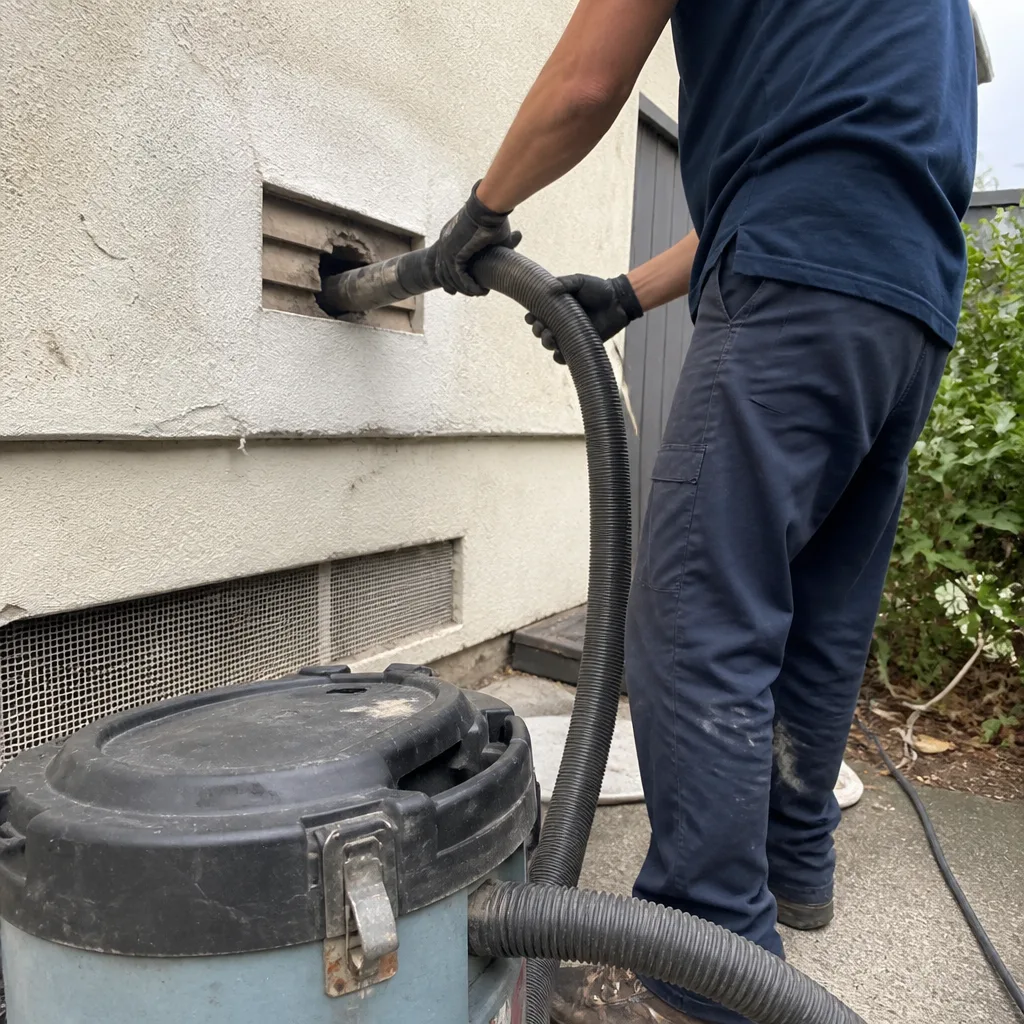
Ask for before-and-after photos of your own ducts, and ask what equipment will be used at the job site. A professional cleaning will show you the interior condition before the work begins, and the same runs again afterward. We take before-and-after photos on every cleaning, and we can talk you through what the camera is showing. Call (844) 834-3074 for a free estimate.
Cleaning removes contamination from duct interiors; repair fixes leaks, tears, disconnected runs, or structural damage that lets contamination in and loses energy. Some jobs call for repair first, then cleaning, so the cleaning happens on a sealed system. Our team’s repair work is a standalone service because a broken duct will never stay clean. Call (844) 834-3074 to have both looked at in one visit.
The Bottom Line
A duct maintenance checklist for Fairfield is less about a calendar and more about a rhythm. Monthly visual checks of returns, register airflow, and odor; a written filter log that tracks dates and MERV ratings; and seasonal attention to the dust events, smoke windows, and post-rain moisture that actually drive contamination in this valley. When the log shows something abnormal, the right move is a camera inspection before a full cleaning. When the inspection shows visible contamination, cleaning with real equipment – contact cleaning, negative pressure, HEPA containment – is the correct next step. When the inspection shows a broken duct, repair comes first. Our team is happy to help you sort it out; call (844) 834-3074 for a free estimate, and follow the log.
Written by the team at Duct Cleaning Fairfield.