
Last updated November 16, 2026
 Whole-home duct cleaning
 Dryer vent cleaning
 Camera inspection
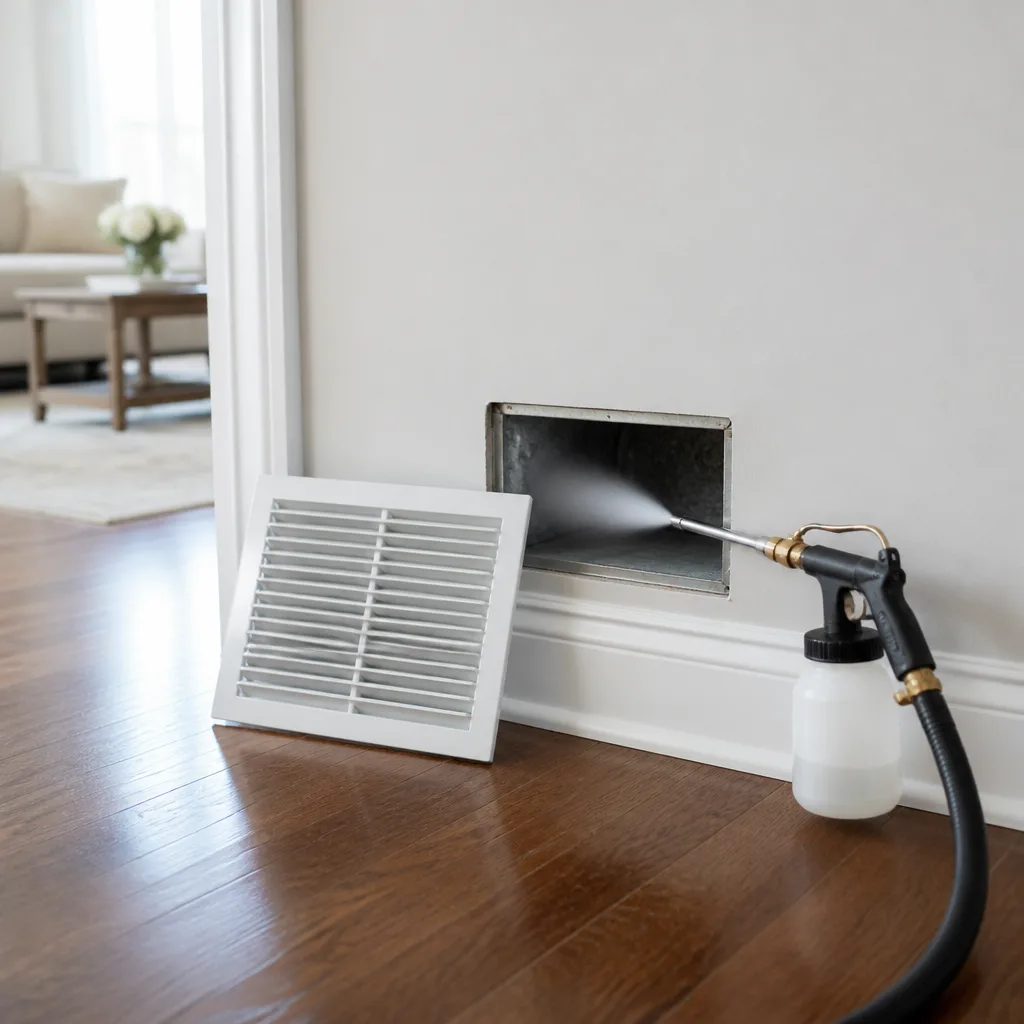 Sanitizing & deodorizing
Whole-system duct and dryer vent check with before-and-after photos - you see exactly what came out of your vents
That "$99 whole-house special" is a bait ad - the real number appears once they are in your hallway, or the "clean" is a shop-vac at the register. We photograph the inside of your ducts before and after instead.
The Complete Guide to Air Duct Cleaning in Fairfield
Most Fairfield homeowners who believe their ducts have been cleaned actually paid for a two-vent vacuuming. That’s the uncomfortable gap in this trade, and it’s worth understanding before you book anyone. The EPA’s position that duct cleaning has never been proven to prevent health problems is often quoted as a reason to skip it, but that statement is aimed at improper cleaning, at the blow-and-run jobs that stir debris loose without capturing it. The distance between a credible cleaning and a cursory one comes down to equipment reach and negative-pressure containment, not effort. In this guide, we’ll show you exactly what those two things mean, what Fairfield’s climate puts into your ducts, and how to verify the work rather than take it on faith.
Quick Answer
A complete air duct cleaning in Fairfield is a source-removal process, not a surface wipe-down: a rotary brush agitates debris from the full interior of every duct run while a high-CFM vacuum holds the system under negative pressure and a HEPA unit filters the exhaust, capturing particulates instead of releasing them into your home. The job is done when the ducts are physically clean and airflow is verified, not when a timer runs out. Expect a whole-system clean to take several hours on a typical Fairfield house, and always ask for before-and-after photos of your own ducts before you pay.
Styles & brands we work with
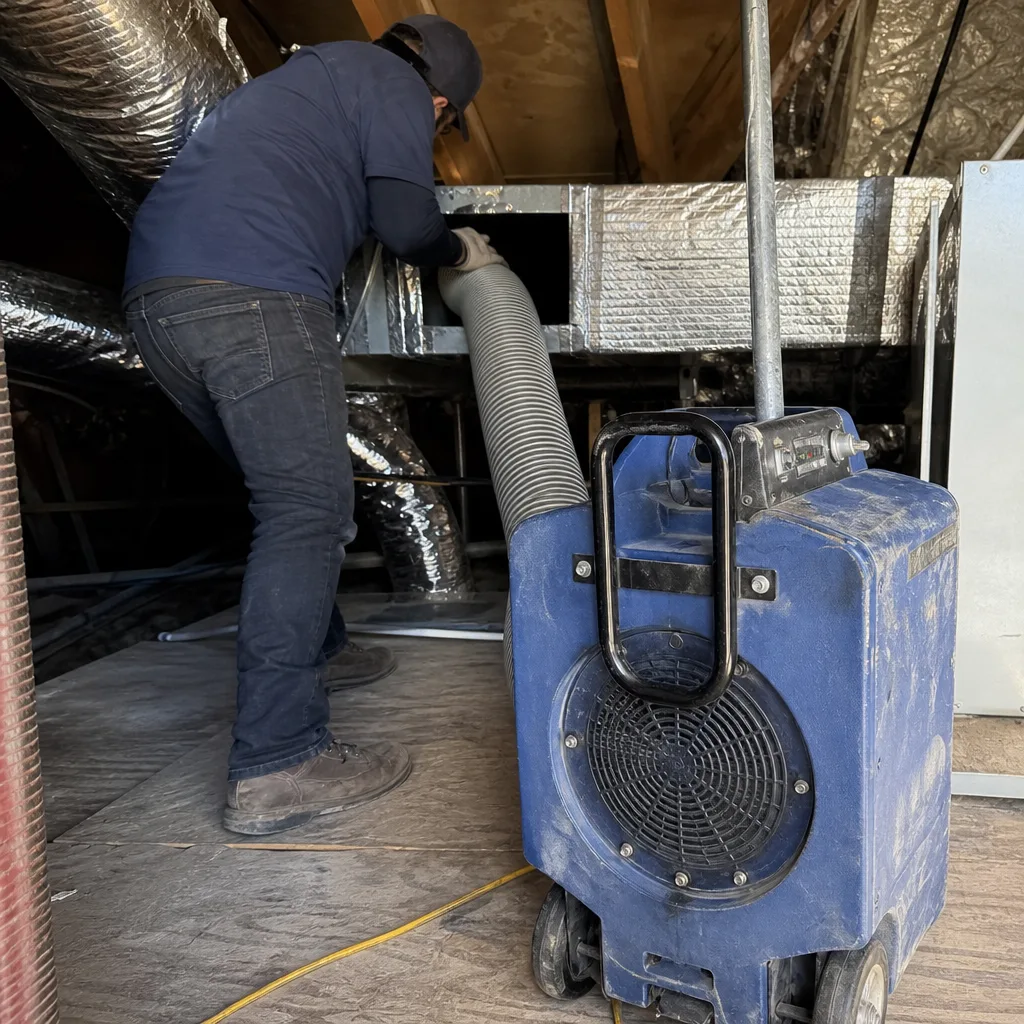
- Whole-home duct cleaning
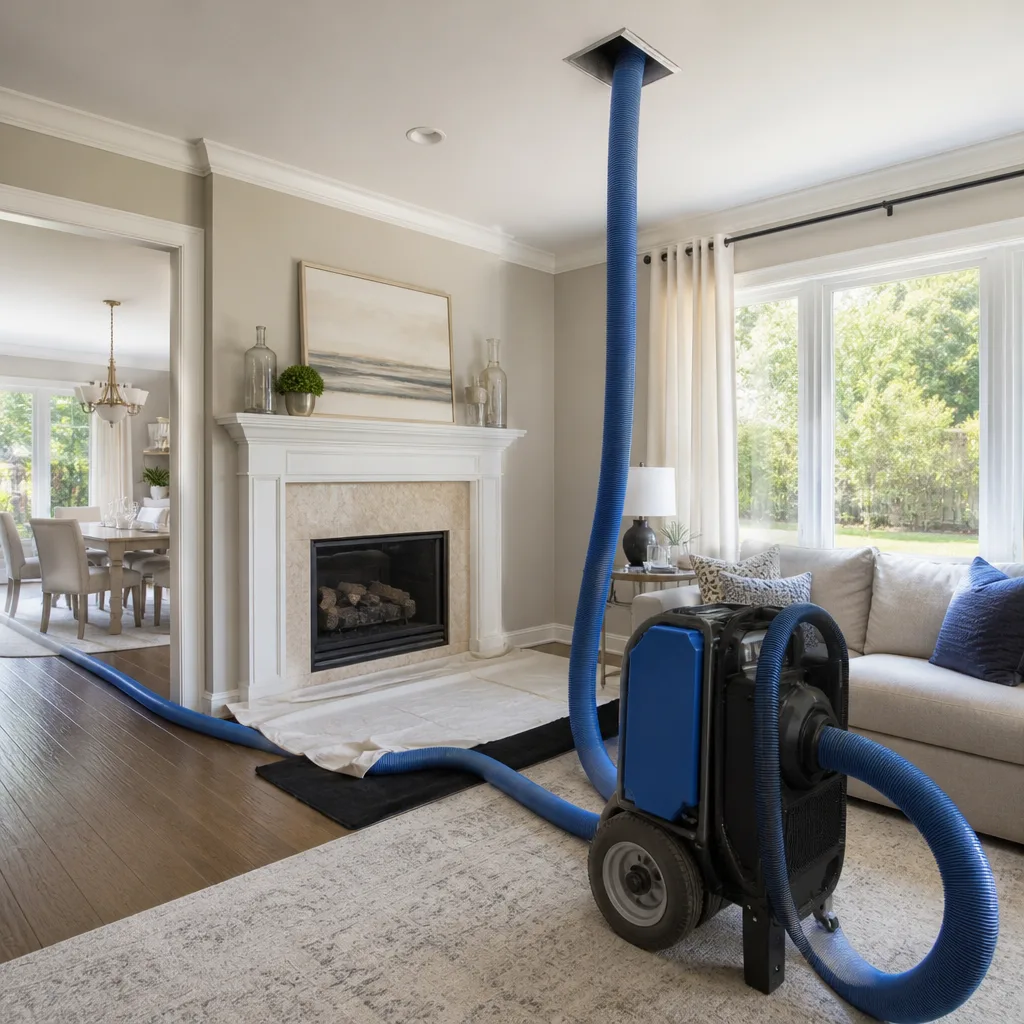
- Dryer vent cleaning
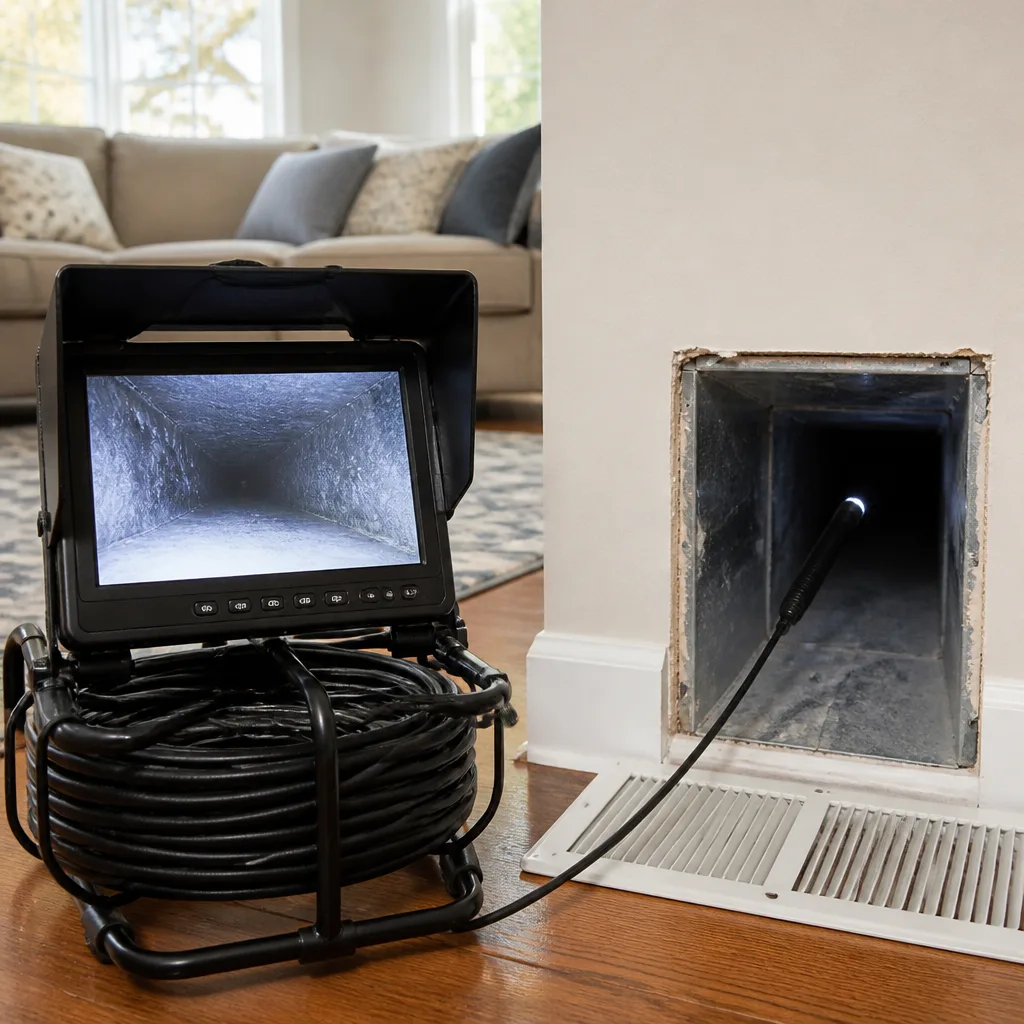
- Camera inspection
- Sanitizing & deodorizing
Table of Contents
- What source removal actually means, and why it’s the standard
- How Fairfield’s climate shapes what builds up in your ducts
- Why negative pressure is the whole ballgame
- What a technician should inspect before, during, and after
- Red flags that a cleaning was superficial
- When the problem is duct repair, not cleaning
- Dryer vents: the other duct nobody checks
- What airflow verification looks like
What Source Removal Actually Means, and Why It’s the Standard
Source removal is the mechanical extraction of accumulated debris from the interior surfaces of the entire duct system, and it’s the approach recognized by the National Air Duct Cleaners Association as the correct method for residential duct work. Everything else is a lesser version of it. The name matters because it separates two very different services that both get sold as “duct cleaning.”
Surface cleaning, or contact cleaning, means every square foot of duct interior is reached with a tool: a rotary brush that spins against the duct walls, loosening the bonded layer of dust, lint, and debris that settles over years. Blow-out methods, by contrast, use compressed air to push contamination downstream into the living space or into a filter that can’t keep up. Nothing is removed from the system. It’s just moved.
A genuine source-removal job involves several distinct stages:
- Access creation. The technician cuts small, serviceable access openings into the duct runs, usually at the trunk and at strategic points on branches, so the brush and vacuum can physically reach the full length.
- Containment. A high-CFM vacuum connects to the main trunk and pulls the entire system into negative pressure before anything is agitated.
- Agitation. A rotary brush system travels each run, contacting the duct walls and breaking debris free.
- Extraction. The loosened material travels toward the vacuum under continuous negative pressure and is captured rather than redistributed.
- HEPA filtration. The exhaust air passes through HEPA filtration so fine particulates don’t escape back into the home.
- Verification. Access points are sealed, and the technician confirms the system is clean and airflow is restored.
We run Rotobrush rotary brush systems for the agitation stage and Nikro equipment for the high-CFM extraction, which is the combination that makes source removal possible at residential scale. That’s a different class of tool from a portable shop-vac rig. When you’re evaluating air duct cleaning providers in Fairfield, “source removal” is the phrase to listen for, and the equipment on the truck is the proof of whether it’s real.
How Fairfield’s Climate Shapes What Builds Up in Your Ducts
Fairfield sits in a climate that puts specific demands on a duct system, and the buildup inside a Fairfield home doesn’t look the same as the buildup in a wetter or colder region. Knowing what’s accumulating helps you understand why cleaning interval and method matter here.
Hot, dry summers
Long dry summers mean the air conditioning system runs hard for months, pulling a steady volume of air through the ducts. Dry air carries fine particulate readily, and the airborne dust that comes off surrounding agricultural land and open ground rides straight into the return side of the system. That fine material settles on duct surfaces and, over successive cooling seasons, builds a bonded layer that a light vacuum won’t dislodge. This is one reason the dry season in Fairfield is when duct interiors get their heaviest loading.
Suisun Marsh humidity swings
The Suisun Marsh is close enough to Fairfield that the area sees real humidity swings, particularly when the marine influence pushes in. Those swings matter inside a duct because moisture and dust combine into a stickier deposit than dry dust alone. When humidity rises, settled debris can clump and adhere to duct board and galvanized surfaces. When it drops again, that material doesn’t simply blow away. It stays, and the next cooling season adds another layer. A duct system in Fairfield that has never been cleaned can hold a surprising amount of this compacted material.
Agricultural particulate
The surrounding agricultural land contributes fine organic particulate during dry, windy periods. This material is small enough to pass standard return filters in part, and it accumulates in the trunk lines and branch runs. It’s also the kind of debris that makes proper containment essential. Agitate it without negative pressure and HEPA filtration, and you’ve distributed it through the house instead of removing it.
What this means for cleaning interval
The honest answer is that interval depends on your home, your filter habits, whether you’ve renovated, and whether anyone in the household has allergies. A Fairfield home with pets, recent remodeling, or a system that hasn’t been serviced in years may need attention sooner than a home with disciplined filter changes. What we won’t do is hand you a fixed schedule as a sales device. We’d rather inspect and tell you what we actually see.
Why Negative Pressure Is the Whole Ballgame
Negative pressure is the single most important technical detail in a duct cleaning, and it’s the one most homeowners never ask about. Here’s why it decides whether the job helps or hurts.
When a rotary brush or air tool agitates debris inside a duct, that debris becomes airborne. If the system is under negative pressure, meaning a powerful vacuum is pulling air toward a capture point, the loosened material travels toward the vacuum. If the system is at neutral or positive pressure, that same material has nowhere to go but out through the vents and into your rooms. The cleaning, in that case, makes your indoor air worse before it could ever make it better.
This is where equipment class matters more than effort. A portable shop-vac can’t hold a whole-house duct system under meaningful negative pressure. The airflow simply isn’t there, and the filter can’t capture fine particulate. Nikro high-CFM vacuum equipment is built for this: it pulls enough air volume to hold the entire system in a captured state throughout the job. Our approach pairs that with Abatement Technologies HEPA filtration units, the same class of containment equipment used in remediation work, so the air leaving the system is filtered to HEPA standard rather than exhausted into the room.
What to ask any provider before they start:
- What’s the CFM rating of the vacuum, and is it connected to the main trunk?
- Is there HEPA filtration on the exhaust?
- How is the system held under negative pressure during agitation?
- Do you create access openings, and do you seal them properly afterward?
A provider who can answer those questions with specific equipment names is running a real operation. One who can’t is running a shop-vac and a promise.
What a Technician Should Inspect Before, During, and After
A professional cleaning begins with an inspection and ends with verification. The duct system is not a black box you clean blind; it’s a structure you assess, clean, and then confirm. Here’s the inspection discipline a credible job follows.
Before the job
- System layout and duct material. Rigid galvanized metal, flexible duct, and duct board each need different handling. Duct board in particular requires care: it’s a rigid fiberglass board with a foil facing, and a technician running a stiff brush at the wrong pressure can damage the internal surface.
- Duct board integrity. Any compromised, torn, or moisture-damaged duct board needs to be identified before cleaning, because it may need repair rather than cleaning. Cleaning around a failing duct surface just moves the problem.
- Access feasibility. Where the access cuts will go, and whether existing access points are adequate.
- Signs of contamination source. Water intrusion, pest activity, disconnected joints, or damaged boots that are actively introducing contamination.
- The air handler and coil. A dirty coil or blower undermines a clean duct system. It should be assessed so the customer knows the full picture.
During the job
The technician should be working the full length of each run, not just the accessible vents. Access cuts are how reach happens; if none are made, the cleaning is limited to what’s visible, which is a fraction of the system. Watch for continuous negative pressure and HEPA filtration on the exhaust throughout.
After the job
- Access points sealed. Every cut should be closed and sealed so the system is airtight again.
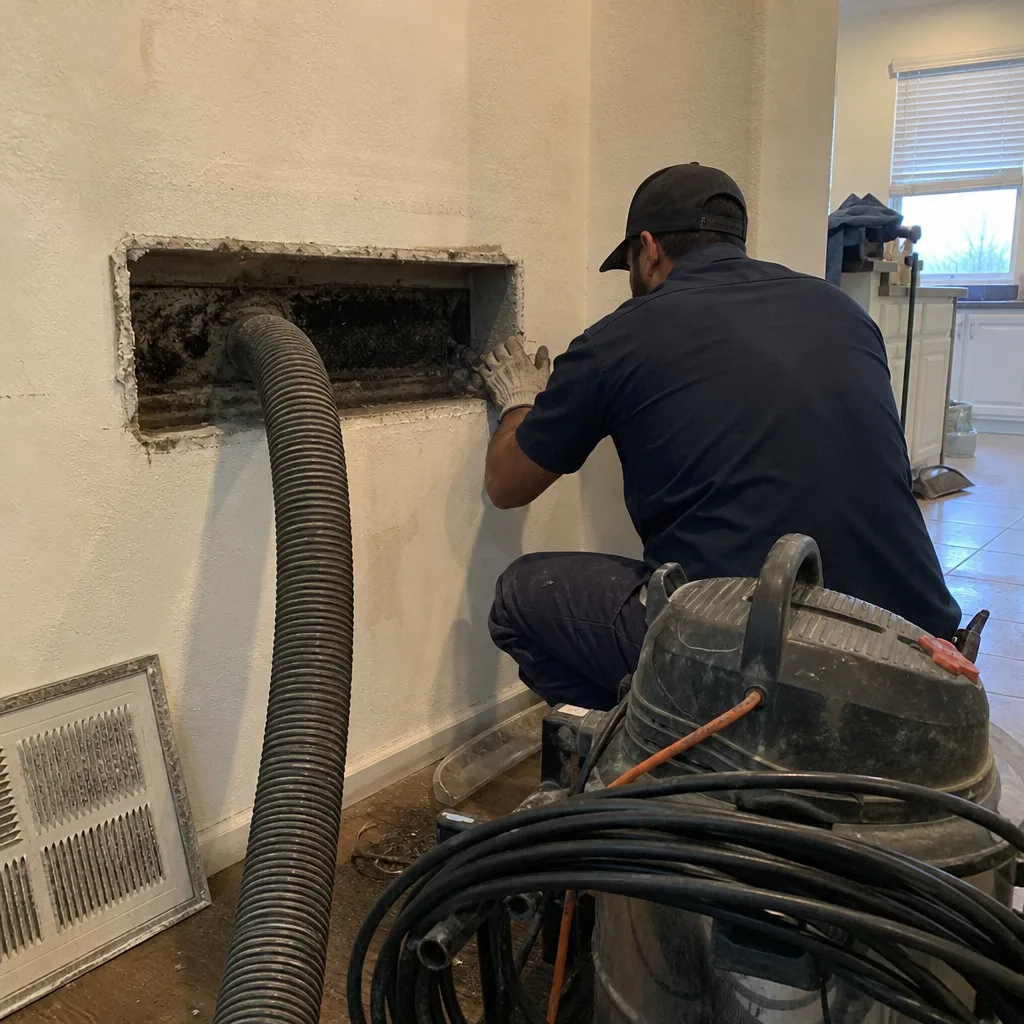
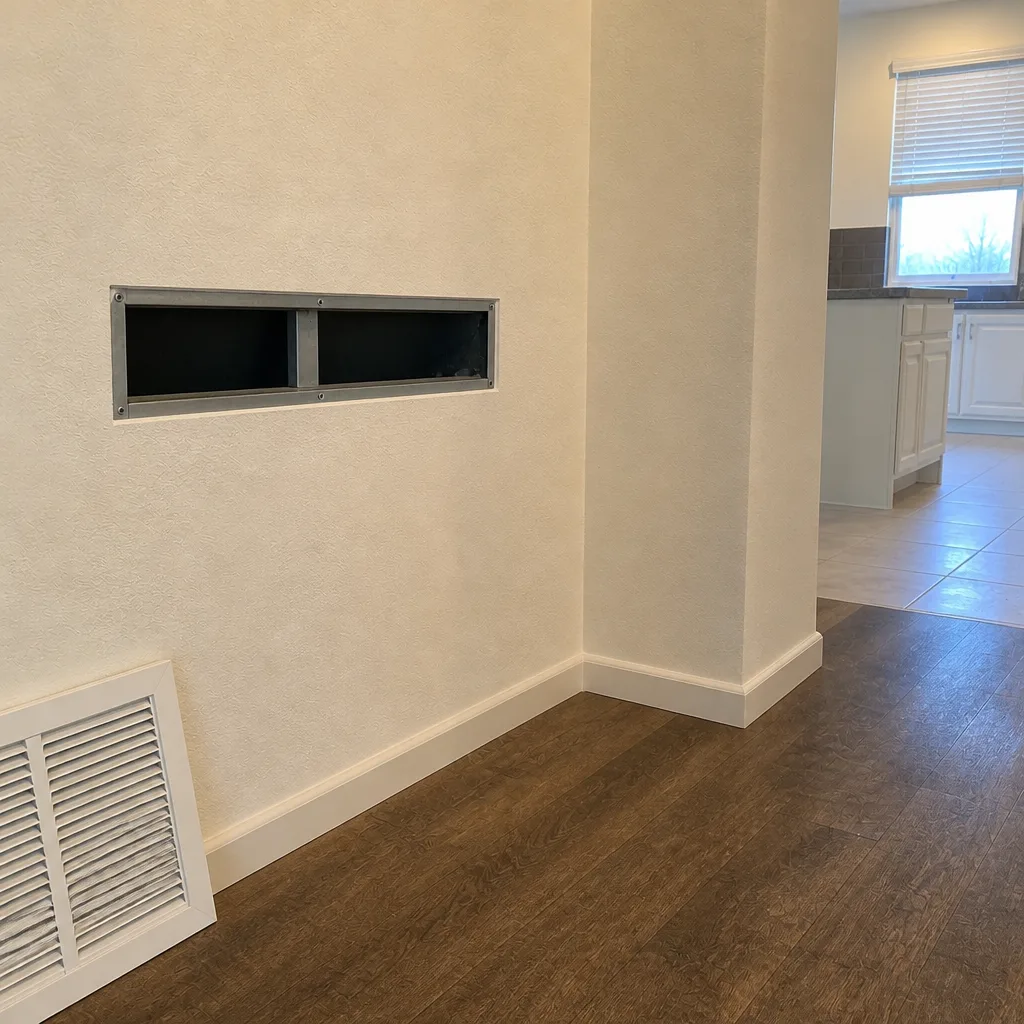
- Visual verification. Before-and-after photos of your own ducts, not stock images.
- Airflow check. Confirmation that the system is moving air as it should, and that no run was left restricted.
- Filter status. A filter change at the end of a cleaning is standard, because the filter does the ongoing work.
This is the inspection discipline we bring to every job, and it’s why we treat air duct repair as a separate service rather than a footnote. If we find damage, we tell you, because cleaning over a structural problem doesn’t solve it.
Red Flags That a Cleaning Was Superficial
Most homeowners can’t see inside their ducts during a cleaning, which is exactly why the superficial version of this service survives. Here are the signals that tell you whether the work was real.
- No access cuts were made. If the technician never opened the duct system, they couldn’t have reached more than the vent openings. Ask before the job whether access cuts are part of the process.
- No HEPA vacuum or negative-pressure equipment. A shop-vac and a brush head is not a duct cleaning. The vacuum is the containment system, and without it, debris is being redistributed.
- The whole job finished in under 45 minutes. A full source-removal cleaning of a typical Fairfield home takes hours, not minutes. A 30-minute visit means the vents got a wipe and the trunk got skipped.
- No before-and-after photos. A credible provider documents the work with images of your own ducts. If you can’t see the before and after, you can’t verify anything.
- Per-vent pricing. Charging by the vent encourages a quick pass at each opening rather than a whole-system clean. We price one flat price per system, agreed in writing before work starts.
- A price that seems too low to be real. A teaser price that grows once the technician is on site is the classic bait-and-switch pattern in this trade. An honest quote reflects the equipment and time a real cleaning requires.
- No inspection before the quote. If nobody looked at your system before quoting, the number is a guess designed to get a foot in the door.
The through-line in all of these is verifiability. You should be able to see what was done and confirm it matches what you were promised.
When the Problem Is Duct Repair, Not Cleaning
Not every contaminated duct system just needs cleaning. Sometimes the contamination is a symptom of a structural problem, and cleaning without repair means the problem returns. This is why we offer air duct repair as a standalone service rather than treating it as something to mention after the fact.
Common structural issues we find in Fairfield homes include disconnected joints where a branch run has pulled away from the trunk, torn or crushed flexible duct, deteriorating duct board, compromised boots at the register, and poorly sealed connections that leak conditioned air into unconditioned spaces. Each of these does two things: it lets contamination in, and it lets the air you paid to cool escape before it reaches the room.
Signs that repair may be the real answer:
- Rooms that never get comfortable no matter how the system runs
- Visible dust streaks near registers or at joints
- Higher-than-expected energy use for the cooling load
- Duct runs that sag, kink, or look physically compromised
- Buildup concentrated near a specific joint or connection
When we inspect a system and find structural damage, we say so plainly and treat repair as the priority. Cleaning a leaking system is work that has to be done twice. Repairing what we find is what makes the cleaning last. That “we repair what we find, not just clean over it” approach is central to how we handle duct work in Fairfield.
Dryer Vents: The Other Duct Nobody Checks
Your dryer vent is a duct system too, and it carries lint, the most combustible material in the house. Lint accumulation restricts airflow and creates a fire risk that gets very little attention until something goes wrong. Dryer vent cleaning is a recognized fire-prevention measure, and it’s a dedicated service for us, not an add-on tacked onto the end of a duct cleaning visit.
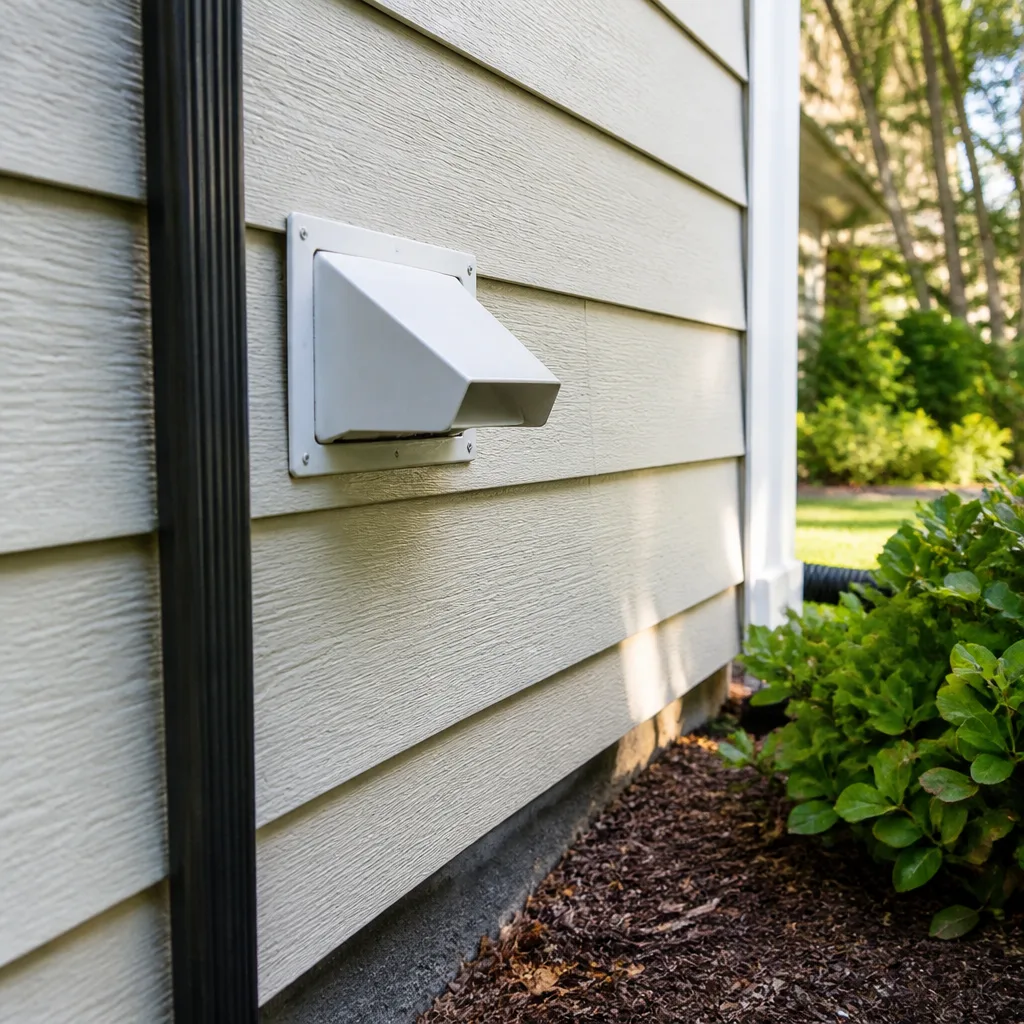
In Fairfield’s dry climate, the lint load can build up steadily across cooling seasons when the dryer is running frequently. A vent that has never been cleaned can hold a dense plug of lint that a surface wipe won’t clear. The cleaning involves running a tool through the full vent run to the exterior termination and confirming the exhaust is unobstructed.
Signs your dryer vent needs attention:
- The dryer takes longer than one cycle to dry a load
- The exterior vent flap doesn’t open fully or steadily during a cycle
- The top of the dryer is hot to the touch during operation
- You can’t remember the last time the vent was cleaned
We handle this as its own job with its own scope. If you want it done, you’ll get a written price and a before-and-after record like any other job. For details, see dryer vent cleaning.
What Airflow Verification Looks Like
A cleaned duct system should move air noticeably better than it did before, and verifying that airflow was restored is what separates a finished job from an assumed one. The verification happens at the register level and, ideally, with a measurement at the air handler.
What we check after a cleaning:
- Register airflow. Each supply register should have a steady, unobstructed flow. A run that was restricted before should show improvement.
- Return airflow. The return side should pull air cleanly and without whistling, which would suggest a restriction.
- Filter differential. A fresh filter should sit in the airstream without a pressure drop that suggests a blockage upstream.
- System balance. The rooms that were uncomfortable should perform closer to spec, though old design problems in the duct layout can’t always be corrected by cleaning alone.
If airflow doesn’t improve after cleaning, the cause is usually structural, a crushed run or a disconnected joint, which is where the repair capability matters. A provider without repair capability will tell you the cleaning was fine and leave you with the same problem. We walk through the system with you until the picture is clear.
From Cleaning to Ongoing Air Quality
Cleaning resets the system. What happens after that is a matter of filtration and humidity control, and this is where a lot of Fairfield homeowners stop short because they don’t realize the two are connected.
A clean duct system works best with a filter that can handle the actual particulate load. Standard 1-inch filters are limited in what they capture. If you want to do better, that’s a filter-media question, and it’s the kind of upgrade that makes the cleaning last longer. We work with Honeywell and Aprilaire air-quality platforms, which cover filtration, whole-home humidification, and UV treatment. We’re not going to sell you a system your house doesn’t need; the point is that a cleaning and an air-quality upgrade belong in the same conversation.
Humidity control deserves a mention specific to Fairfield. The swings that come with proximity to the Suisun Marsh mean indoor humidity can vary more than people expect, and that affects both comfort and what settles on duct surfaces. A whole-home humidification or dehumidification solution can flatten those swings. The practical sequence is cleaning first, then filtration and humidity control, so the system you’re conditioning is clean inside.
How Much Does Air Duct Cleaning Cost in Fairfield?
Air duct cleaning in Fairfield is typically priced as a whole-system job, not per vent, and the range depends on the size of your home, how accessible the duct runs are, and how heavy the contamination is. We set one flat price per system in a written estimate before work starts, so you know the total before anyone touches a vent. Below are the typical cost ranges as a framework.
- Air duct cleaning, standard home: A whole-system source-removal clean with access cuts, negative-pressure extraction, and HEPA filtration runs in a typical Fairfield residential range. Your written estimate reflects your actual system.
- Air duct cleaning, larger or heavily contaminated system: More runs, heavier buildup, or tight access means more time and equipment, and the estimate reflects that.
- Dryer vent cleaning: Priced as a separate job based on the vent length and configuration.
- Air duct repair: Priced per repair after inspection, since it depends on what’s actually damaged.
What’s included in every cleaning we quote:
- Inspection before the cleaning starts
- Access cuts and proper sealing afterward
- Rotary brush agitation of every duct run
- High-CFM negative-pressure extraction with HEPA filtration
- Before-and-after photos of your own ducts
- Airflow verification
Two questions worth asking of any provider: “Is this a flat price per system or a per-vent price?” and “Can I see before-and-after photos of my own ducts?” Those two questions separate an honest quote from a teaser price that grows on site. Our pricing is per job by estimate, the estimate is free, and the written estimate is what the final price is based on.
Common Mistakes to Avoid
- Booking on a teaser price. A low advertised number that rises dramatically once the technician is at your home is the bait-and-switch pattern this trade is known for. Ask for a flat price per system in writing before you book.
- Skipping the access-cut question. If no access cuts are made, the cleaning is limited to the vent openings, which is a fraction of the system. Ask before the job, not after.
- Assuming any vacuum counts. Portable shop-vac rigs can’t hold a whole-house system under negative pressure or filter the exhaust to HEPA standard. The vacuum is the containment system, and without real containment, the debris goes into your rooms.
- Ignoring a dirty filter. A duct cleaning without a filter change leaves the system doing work it can’t keep up with. Fresh filter at the end of the job, every time.
- Cleaning around duct board damage. Torn or moisture-compromised duct board needs repair, not a brush pass. Cleaning over it just moves the problem. Given Fairfield’s humidity swings, duct board in particular deserves a closer look.
- Forgetting the dryer vent entirely. Lint buildup is a fire risk that accumulates quietly. If you can’t remember the last time your dryer vent was cleaned, it’s overdue.
- Paying without seeing the evidence. Before-and-after photos of your own ducts are the verification. If the “after” image is generic or missing, you can’t confirm anything.
See the difference
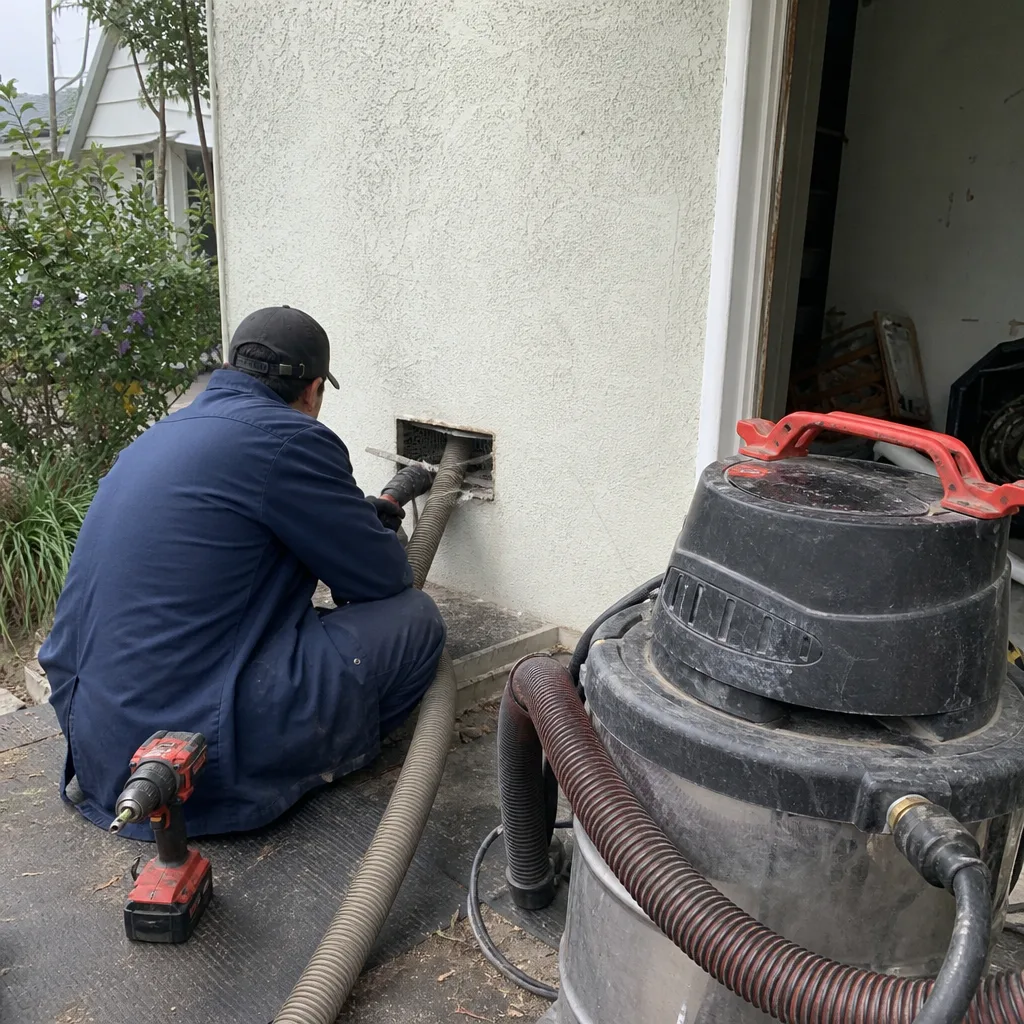 Before
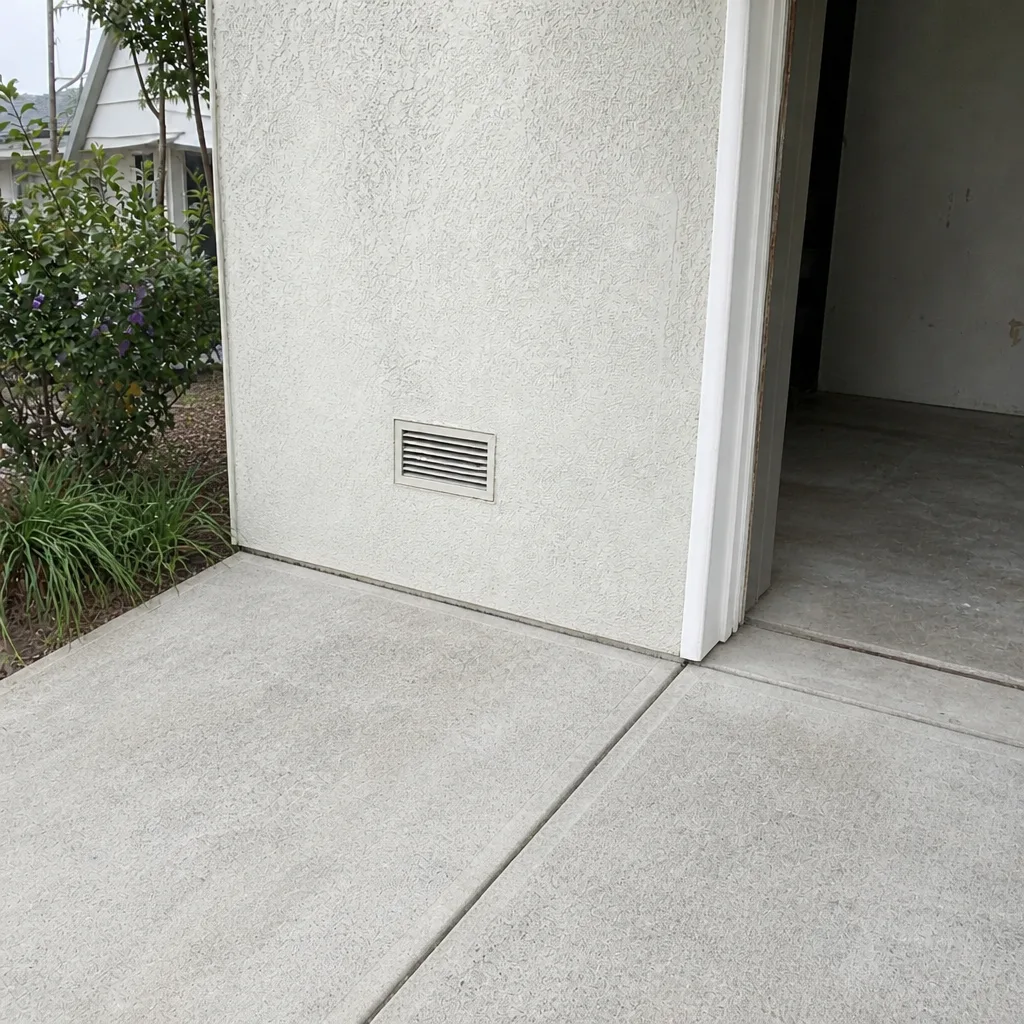 After
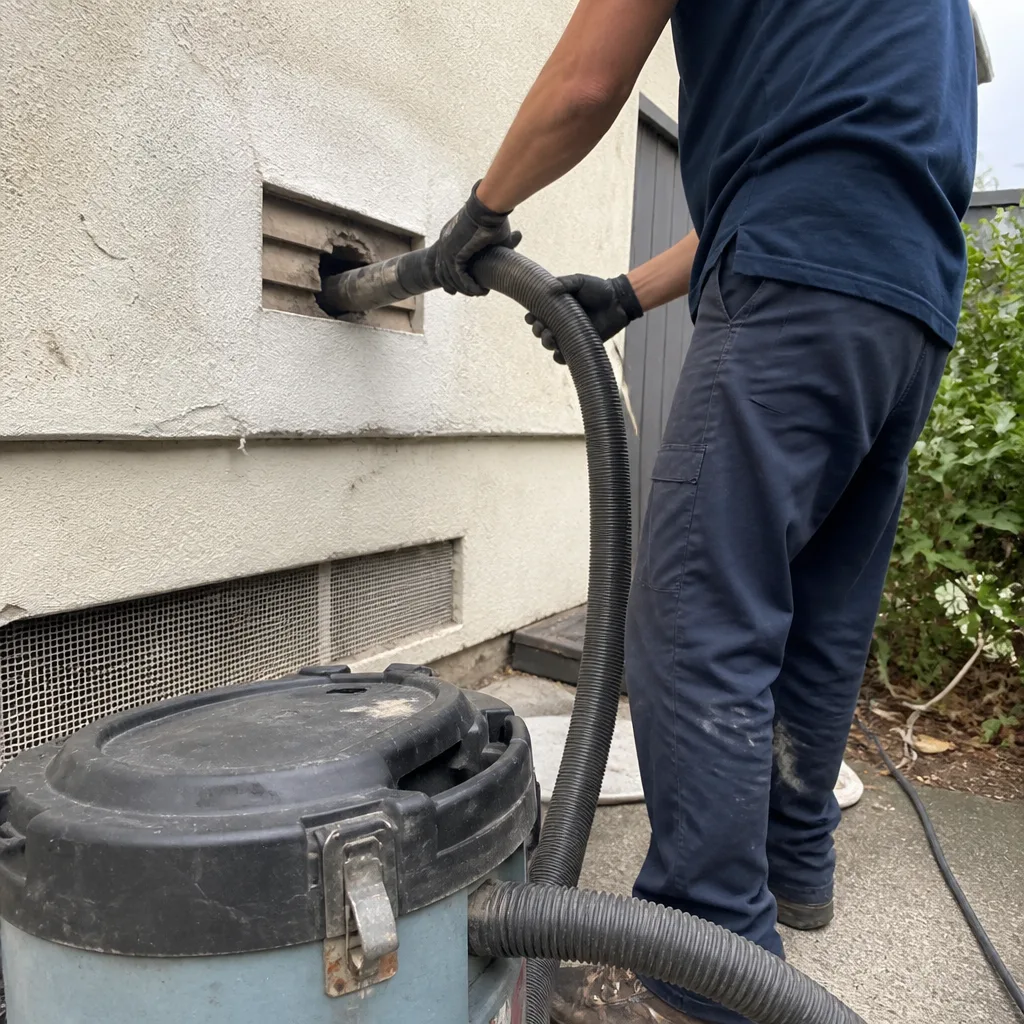 Before
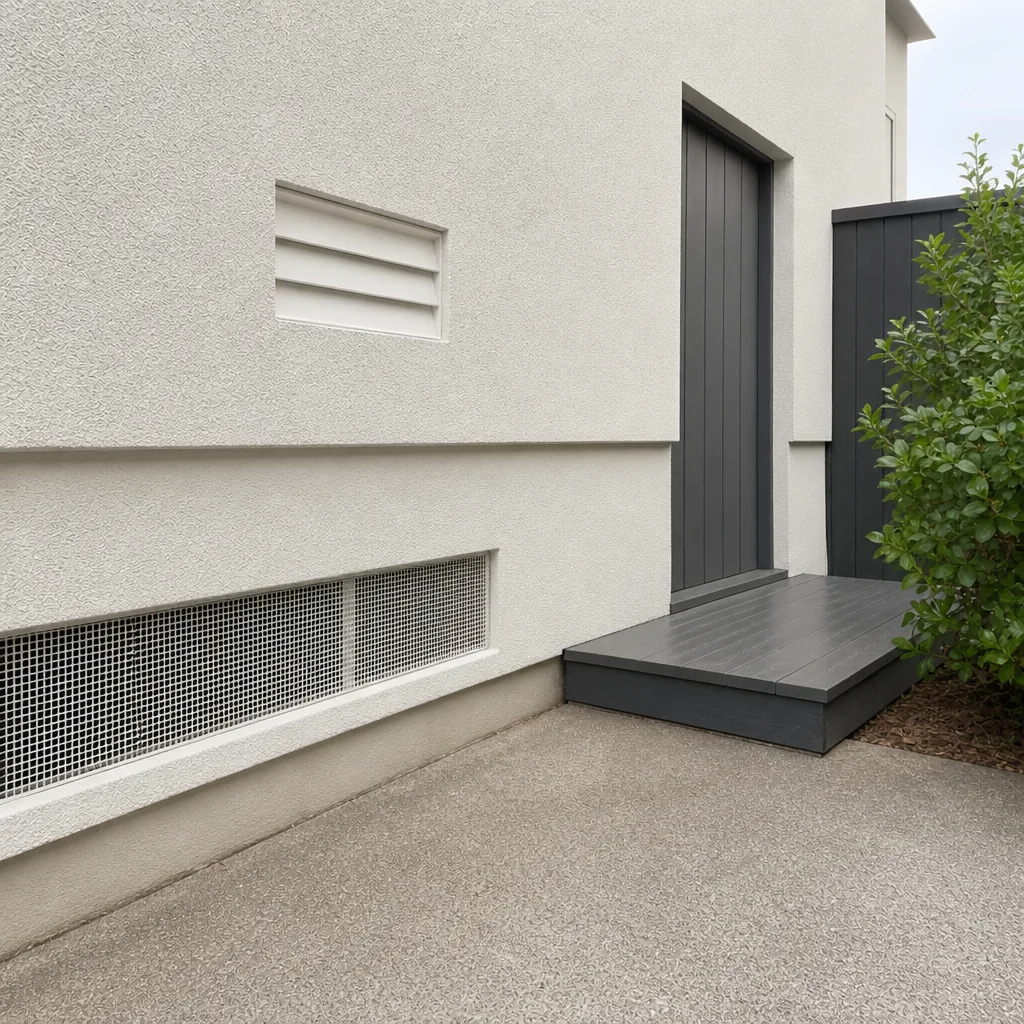 After
 Before
 After
When to Call a Professional
Some duct work is worth calling in. If your ducts have never been cleaned and the system is older, if anyone in the home deals with allergies or respiratory sensitivity, if you’ve finished a remodeling project, or if you’ve noticed visible buildup at the registers or on the return grille, an inspection is the sensible first step. The same goes for a duct system that’s moved air weakly for years, or any sign that a joint has come loose or a run has collapsed. Dryer vent cleaning is worth a call as its own matter too. Duct Cleaning Fairfield offers free estimates in Fairfield. Call (844) 834-3074, and we’ll inspect before we quote.
Frequently Asked Questions
It’s priced as a whole-system job, typically in the ranges above, based on your home size, accessibility, and contamination level. We set one flat price per system in a written estimate before work starts, so the final price matches what you agreed to. Call (844) 834-3074 for an exact quote. Estimates are free.
A cheap quote usually reflects a cheaper process: no access cuts, a shop-vac instead of a high-CFM negative-pressure system, no HEPA filtration, and a job that finishes in under 45 minutes. It can also be a teaser price that grows once the technician is on site. A real source-removal cleaning takes legitimate equipment and hours of work, and the quote reflects that. Call (844) 834-3074 to compare an honest estimate against what you’ve been quoted.
You ask for before-and-after photos of your own ducts, and you confirm the provider made access cuts and used a HEPA vacuum. Those three checks tell you whether a full source-removal clean happened or whether the vents got a wipe. We provide all three as part of every job. Call (844) 834-3074 to schedule an inspection.
There’s no fixed schedule that fits every home. The honest answer depends on your filter habits, pets, recent renovations, and whether anyone in the household has allergies; a Fairfield home with heavy dry-season particulate load and an older system typically needs attention sooner than a newer one. The right move is an inspection rather than a calendar. Call (844) 834-3074 and we’ll tell you what we actually see.
Fairfield’s hot dry summers, agricultural particulate, and humidity swings near the Suisun Marsh combine to build a compacted layer in ducts that a shop-vac can’t touch. The dry season loads the system with fine dust, and the moisture swings cause it to adhere. That combination means a cleaned system tends to hold its airflow longer, which is a real comfort difference in a Fairfield home.
Cleaning removes what’s inside the ducts; repair fixes the structural problems that let contamination in and let conditioned air escape, like disconnected joints, torn flexible duct, or damaged duct board. If a system has both issues, cleaning without repair means the problem returns. Call (844) 834-3074 and we’ll inspect to determine which you actually need.
The Bottom Line
A real air duct cleaning is a source-removal process: access cuts, rotary brush agitation of every run, high-CFM negative pressure, and HEPA filtration, followed by airflow verification and before-and-after evidence. Anything short of that isn’t the service you’re paying for. In Fairfield, the climate puts a specific load into duct systems, and the difference between a credible job and a cursory one is almost entirely equipment and containment. Ask about the vacuum, ask about access cuts, ask for photos of your own ducts, and insist on a flat price per system in writing. That’s how you tell the difference, and it’s the standard we hold ourselves to as a specialist operation focused on cleaning, repair, and air quality. To get started, see Fairfield or explore the Duct Cleaning Fairfield resource.
Contact
Ready to know what’s actually inside your ducts? Call Duct Cleaning Fairfield at (844) 834-3074 for a free estimate. We answer 24/7, with fast dispatch from 7am to 7pm, Sunday through Friday. Our technicians have up to 14 years of experience, and every estimate is written, flat, and per system. Call (844) 834-3074 today.
Written by the team at Duct Cleaning Fairfield.