
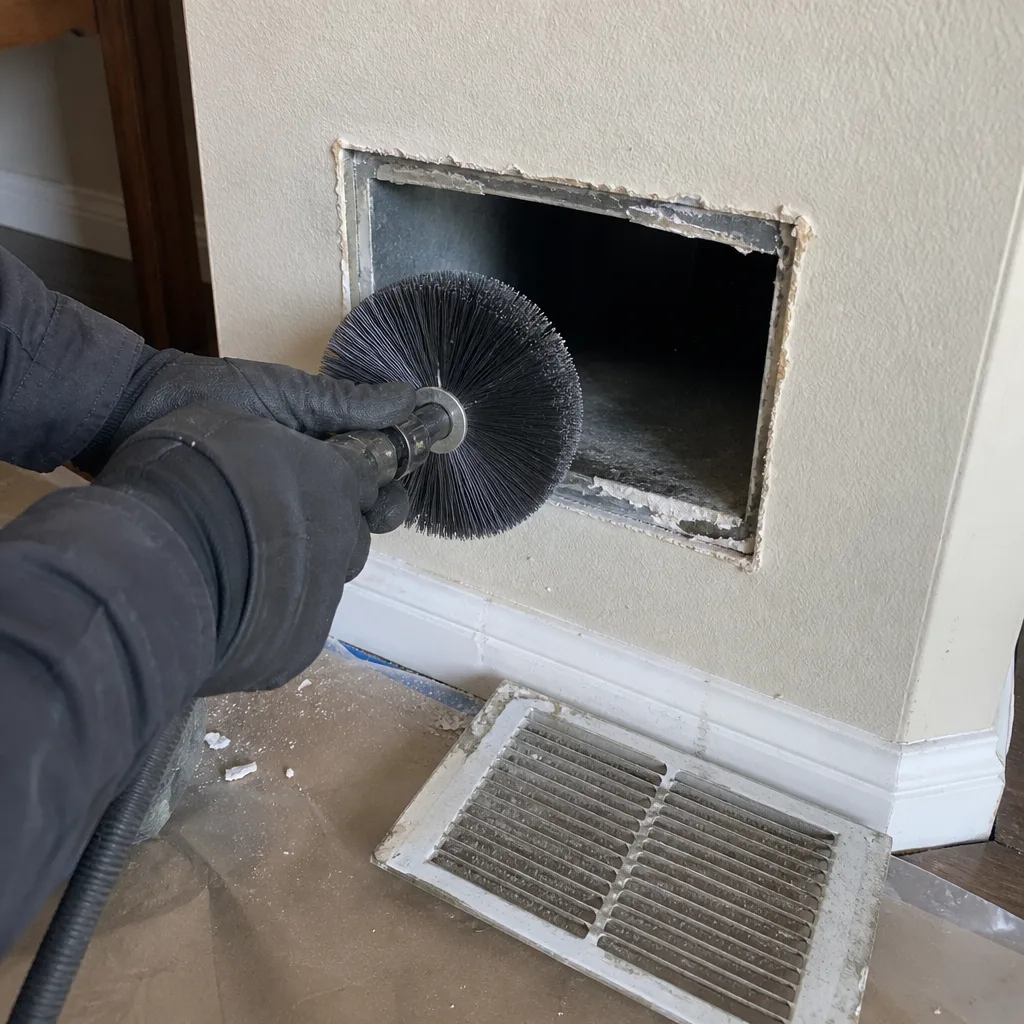
Last updated November 16, 2026
 Whole-home duct cleaning
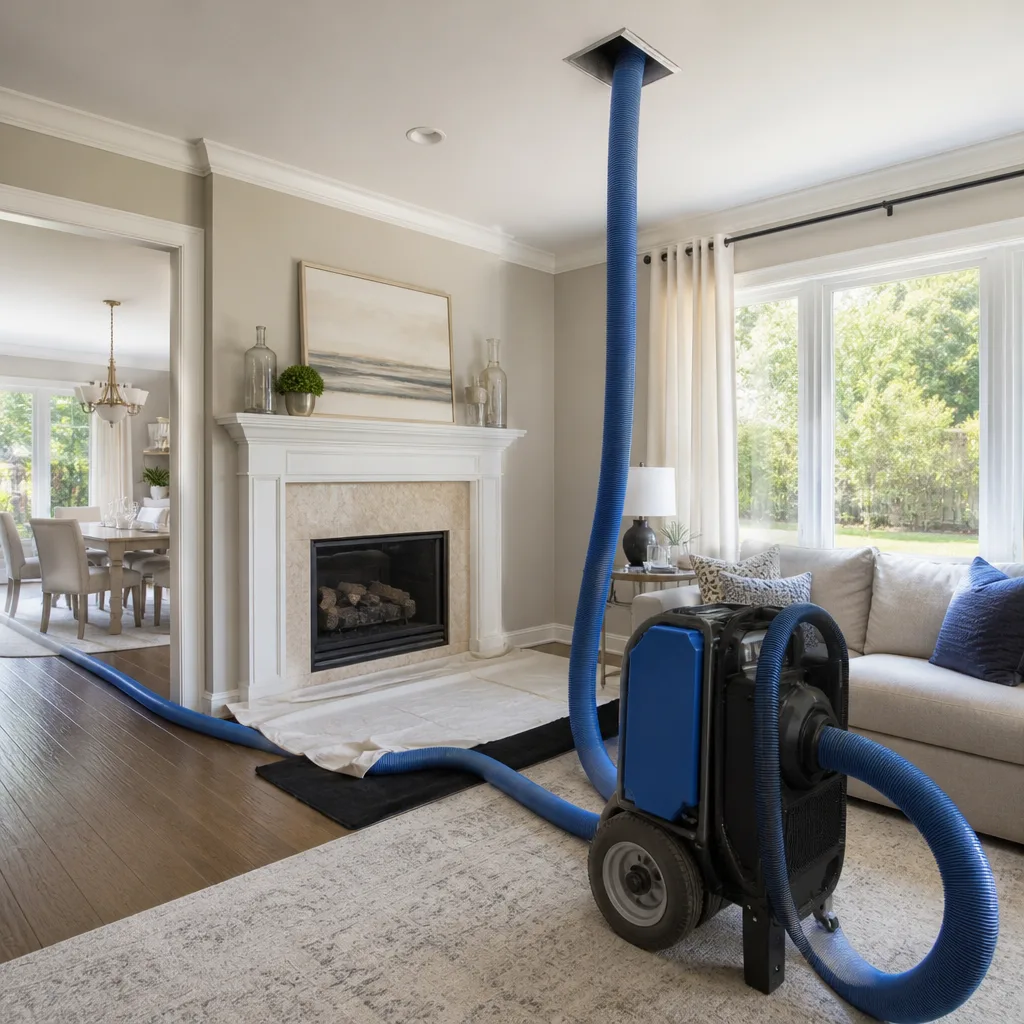
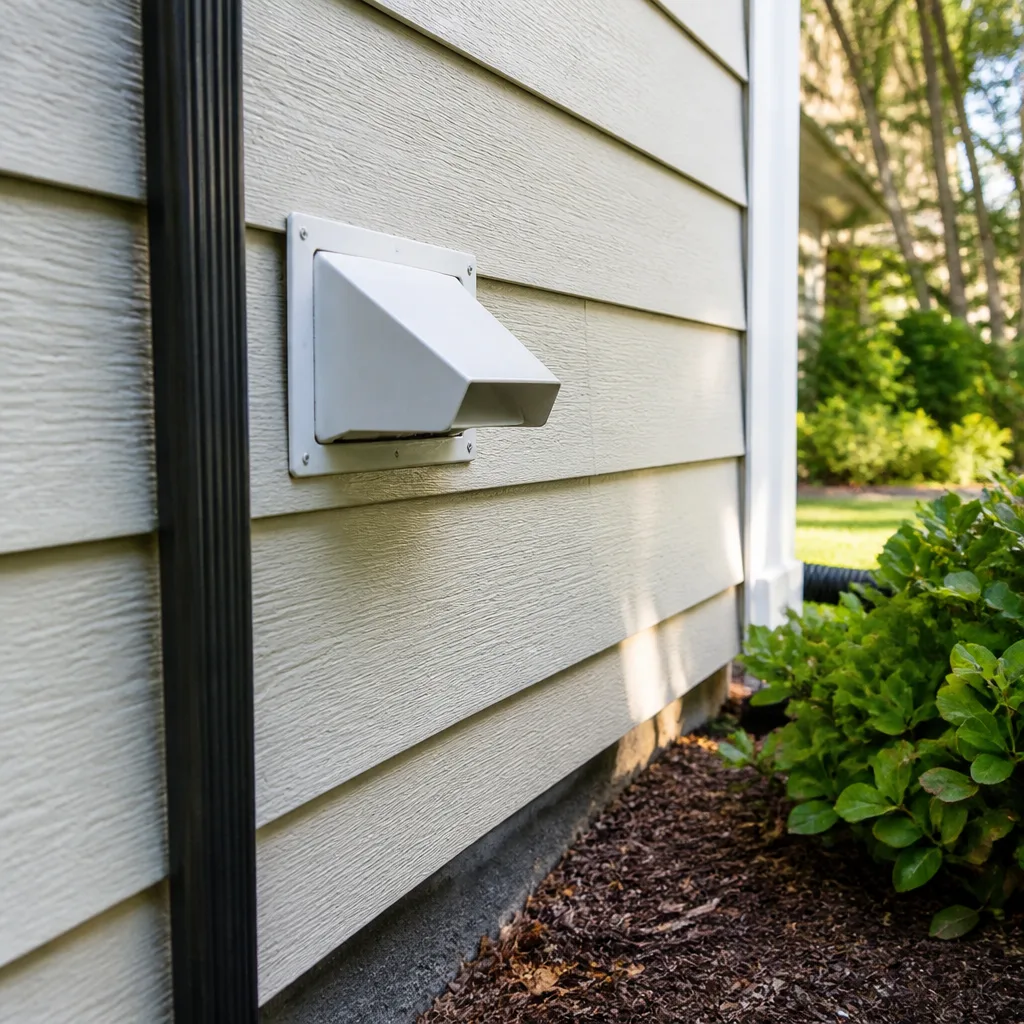 Dryer vent cleaning
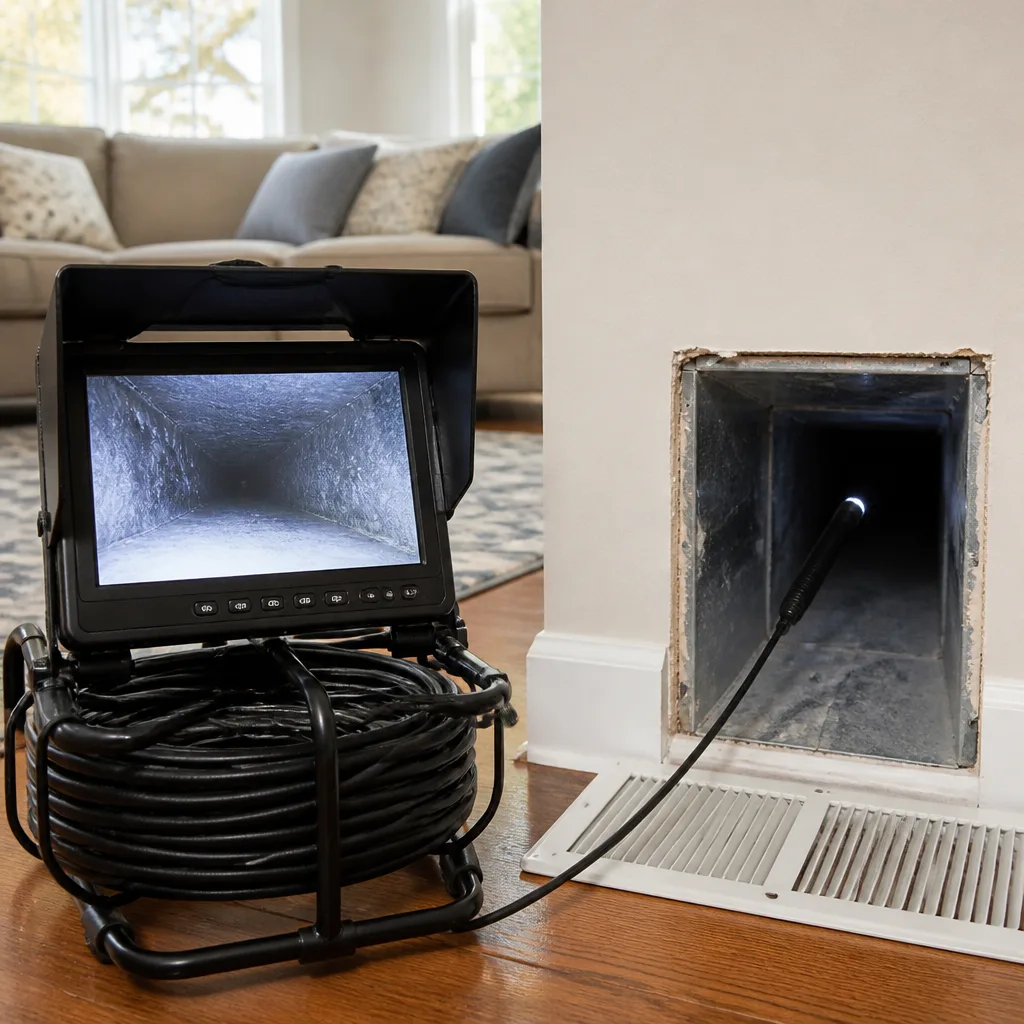 Camera inspection
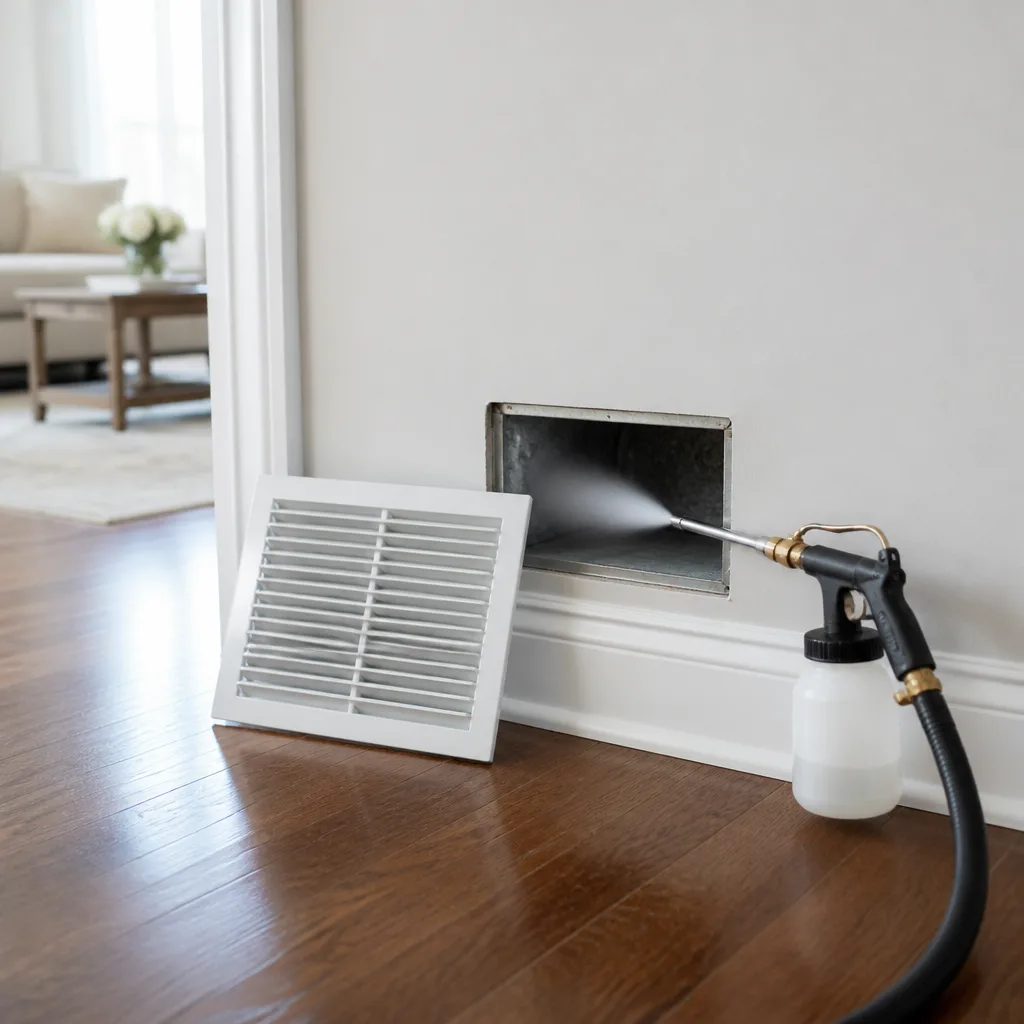 Sanitizing & deodorizing
Whole-system duct and dryer vent check with before-and-after photos - you see exactly what came out of your vents
That "$99 whole-house special" is a bait ad - the real number appears once they are in your hallway, or the "clean" is a shop-vac at the register. We photograph the inside of your ducts before and after instead.
DIY vs Professional Air Duct Cleaning: The Fairfield Homeowner’s Decision Guide
Here’s the part most duct cleaning articles skip: a consumer drill-attachment brush and a home shop-vac can reach roughly four to six feet of duct from each register. The average Fairfield home has duct runs of fifteen to forty feet. Everything past that first stretch of reachable duct stays exactly where it was, and that’s where the bulk of the contamination settles. This isn’t a knock on homeowners. It’s a physics problem. This guide draws an honest line between what you can genuinely do yourself with consumer tools and where the equipment itself, not the effort, becomes the limiting factor. By the end you’ll know which jobs are worth your Saturday and which ones need a professional-grade system with real negative pressure and HEPA containment.
Quick Answer
DIY duct cleaning works for surface-level upkeep: cleaning registers, washing return grilles, checking your own dryer vent, and upgrading filters. It does not work for cleaning the duct runs themselves, because consumer vacuums can’t generate the negative pressure needed to capture debris as it’s loosened, and consumer brush kits can’t reach past the first few feet. Professional cleaning is worth it when you have visible contamination deeper in the system, flex duct, mold, or debris from a renovation. Duct Cleaning Fairfield uses Rotobrush and Nikro equipment with Abatement Technologies HEPA filtration, which is what makes deep cleaning verifiable rather than cosmetic.
Styles & brands we work with
- Whole-home duct cleaning
- Dryer vent cleaning
- Camera inspection
- Sanitizing & deodorizing
Table of Contents
- The Physics of Reach: Why Consumer Tools Stop Short
- Why Negative Pressure Is the Whole Ballgame
- What You Can Legitimately DIY (and Do Well)
- When DIY Makes the Problem Worse
- The Honest Cost Comparison
- Turn DIY Into a Diagnostic: Building an Informed Call
- How to Evaluate a Duct Cleaning Company in Fairfield
- Common Mistakes to Avoid
- When to Call a Professional
The Physics of Reach: Why Consumer Tools Stop Short
The single biggest misunderstanding about duct cleaning is that it’s a scrubbing job. It isn’t. It’s a removal job that depends on two things happening at once: agitation to dislodge debris, and capture to remove it. Every consumer tool you can buy at a home improvement store is built to do the first half and mostly fails at the second.
Picture a standard Fairfield ranch home with a central trunk line and branch runs feeding each room. The branch runs are typically six to eight inches in diameter and run fifteen to forty feet from the plenum to the farthest register. A drill-attachment brush on a flexible shaft, the most common consumer setup, reaches about four to six feet before the shaft loses torque, the brush binds on a joint, or the run takes a bend the shaft can’t navigate. A shop-vac hose has the same reach problem, and even a “high-powered” six-horsepower shop-vac loses most of its suction at the end of a fifteen-foot hose because air leaks and hose friction eat the pressure.
What this means in practice:
- A consumer brush reaches the first elbow or two of each run. The heavy debris settles farther back, especially on horizontal runs where gravity works against you.
- Handheld and shop vacuums move air at low cubic feet per minute compared to dedicated duct equipment, and they pull from the open room, not from a sealed system.
- Registers read as “clean” after a DIY attempt because the visible opening is clean. The trunk line and the deeper branch runs are untouched.
- Flex duct reacts badly to improvised brushes and high-torque drill attachments, which can catch on the internal wire helix and tear the liner.
The honest takeaway: DIY is not a miniature version of professional cleaning. It’s a different task with a different outcome. Understanding that gap is the whole decision.
Why Negative Pressure Is the Whole Ballgame
Here’s the mechanic that separates a real cleaning from a cosmetic one. When a technician agitates dust inside a duct, that dust becomes airborne. If the system isn’t under negative pressure, meaning air is being pulled into the ducts and out through a capture point, some of that loosened dust leaves through the nearest register and lands back in your living room. That’s the whole reason a proper cleaning uses a dedicated high-CFM vacuum connected to the system with the registers sealed.
Nikro equipment is built for exactly this: high-CFM negative air pressure that extracts dislodged debris rather than letting it settle back into the airstream. Abatement Technologies HEPA filtration handles the containment side, the same standard used in remediation and containment work. The combination means the dust you couldn’t see before cleaning is captured, not redistributed across your furniture and drapes.
Consumer vacuums can’t replicate this for three reasons:
- Airflow volume. A shop-vac moves a fraction of the air that duct-cleaning equipment moves. Debris that needs a strong push of airflow to travel stays put.
- Sealed connection. Professional equipment connects to the plenum or a register with a sealed adapter. A shop-vac hose taped to a register leaks badly, so you lose most of your pressure at the connection.
- Filtration. Standard shop-vac filters capture larger dust and pass the fine particulate back into the room. HEPA containment captures it.
Rotobrush rotary brush systems add the other ingredient: contact cleaning. A rotating brush physically scuffs the duct wall to break loose adhered debris, and it’s paired with the vacuum so loosened material is pulled out at the same time. Air-whip-only methods knock dust loose without the same mechanical contact. If you want to understand the difference between a cleaning and a “blow the dust around” job, this is it.
What You Can Legitimately DIY (and Do Well)
Plenty of the maintenance work around your duct system is squarely in the homeowner’s wheelhouse. It’s not busywork. Doing these things well makes the whole system run cleaner and makes any professional visit you eventually schedule more effective.
Clean your registers and return grilles. Remove the register covers with a screwdriver, wash them in a sink with dish soap, dry them, and reinstall. This alone removes a surprising amount of the dust that reads as “dirty ducts” the moment you look up. Vacuum the visible opening of each supply and return with a brush attachment, but don’t force anything into the duct.
Disconnect and inspect your dryer vent. Unhook the vent from the back of the dryer, vacuum out the visible lint, and confirm the flexible transition duct isn’t crushed or kinked. If you can reach the exterior termination, clear any lint from the flap. This is a real safety check. Lint buildup in a dryer vent is a recognized fire hazard, and the visible portion is a reasonable DIY inspection. If the run is long or mostly concealed, that’s where dryer vent cleaning by a specialist covers what you can’t reach, and it’s a dedicated service here, not an upsell tacked onto something else.
Upgrade your filter properly. Check the current filter rating, match a replacement to the manufacturer’s recommended maximum resistance, and keep a schedule. A filter that’s too restrictive can strain the blower; one that’s too loose passes debris into the ducts. Residential-grade filters in the mid-MERV range are a reasonable middle. Some homeowners move up to a whole-home filter cabinet through the Honeywell or Aprilaire product lines, which is a bigger project best scoped with someone who knows the equipment.
Check for obvious leaks and gaps. Look for disconnected joints, crushed sections of flex duct, and gaps where branch runs meet the trunk. A flashlight and a mirror will reveal a surprising amount. Fixing them is a different job than cleaning, and it’s the reason air duct repair is its own discipline. But finding them is fair game for anyone.
Everything in that list is genuine work you can do. What it isn’t is duct cleaning itself. It’s duct care.
When DIY Makes the Problem Worse
Some situations have a hidden cost to a DIY attempt. The effort feels productive while quietly making the underlying problem bigger. These are the situations where we strongly recommend stopping and calling.
Flex duct systems. If your ducts are flexible, commonly seen in more recently built or retrofitted homes around Fairfield, they’re a serious risk for improvised tools. The inner liner is thin, and a brush with any torque can catch on a support wire and tear it. A torn flex duct liner becomes a leak, and a leak draws unfiltered air from a crawlspace, attic, or wall cavity into your living space. You’ve turned a cleaning job into a repair job.
Any evidence of mold. If you smell mustiness or see dark staining at a register, the situation has crossed from “dirty” to “contaminated.” Agitating mold spores without proper containment spreads them throughout the house. Professional cleaning in this case uses HEPA-level capture, and a moisture source usually needs to be addressed too. This is exactly the wrong scenario for a shop-vac and a brush.
Post-renovation debris. Drywall dust and construction debris have a way of entering the return system and settling deep in horizontal runs. It’s heavier than household dust and doesn’t move with consumer airflow. Forcing a brush through a run full of drywall grit is more likely to embed it than remove it.
Older systems with heavy accumulation. Once a system has gone years without cleaning, the debris layer has often bonded to the duct walls. It needs mechanical contact and sustained suction. Anything less just stirs what’s there.
Pest activity you haven’t identified. If you find droppings, nesting material, or evidence of a rodent in the duct system, stop. That situation involves contaminants that need HEPA containment and proper handling, and it often signals a leak or breach that needs repair, not cleaning alone.
The Honest Cost Comparison
This is where the marketing usually creeps in. We’d rather lay out the real math so you can decide with your own numbers.
What DIY actually costs. A decent rotary brush kit runs around the price of an evening out, and a shop-vac you may already own. Filter replacements are a few dollars apiece. None of those numbers is daunting. The hidden costs are time and quality. The time cost is real: pulling registers, washing them, vacuuming openings, reconnecting, checking the dryer vent, and cleaning up. Set aside a full weekend afternoon for a careful attempt. The quality cost is harder to see. A DIY attempt typically addresses a small fraction of the system’s total duct surface. If the goal was clean ducts, the money went toward cleaning the openings rather than the ducts.
What professional cleaning costs. Pricing is per job by a written estimate, and the estimate is free. The estimate accounts for square footage, number of registers, system layout, and whether repair is needed. The range reflects the equipment: a Rotobrush rotary brush system, Nikro vacuum with high-CFM extraction, and Abatement Technologies HEPA units don’t come cheap, and they aren’t the kind of gear a generalist HVAC company keeps on hand as an occasional add-on. One flat price per system is agreed before work starts, and no per-vent pricing applies.
The scenarios that close the gap.
- You have flex duct. If DIY damages a liner, you’re paying for air duct repair on top of what would have been a cleaning. The math flips quickly.
- You’ve had a renovation. Construction debris needs equipment that can extract heavy material. Consumer tools can’t, which means you’d pay to have it cleaned out later anyway.
- You have visible contamination. If you can see debris past the first elbow, a DIY attempt won’t reach it.
- You have allergy or IAQ concerns. The whole point of professional cleaning in this case is HEPA containment during the job. You can’t replicate that with a shop-vac, and I know that’s not the news anyone wants to hear.
- You want documentation. A professional cleaning includes before-and-after photos of your own ducts, which is the only way to verify the work at all. DIY leaves you with the original state and no baseline.
If none of those apply, a careful DIY upkeep routine makes sense and we won’t pretend otherwise. If any of them apply, you’re paying for equipment and verification, not for someone to do work you could do. See what air duct cleaning actually covers in a real estimate before deciding. A free estimate answers the cost question far better than a rounded number from a guide page.
Turn DIY Into a Diagnostic: Building an Informed Call
The most useful thing a homeowner can do before calling a duct cleaning company is a proper self-inspection. Not to clean, but to know what you’re looking at. This turns the conversation from “dirty ducts, fix them” into a specific, informed request.
- Walk the house with a flashlight. With the system off, look into each register with a flashlight. Note the color and volume of debris you can see at each opening. Darker at the return? Heavy at one side of the house? That’s useful information.
- Take phone photos at each register. A phone camera on a good angle see farther into a duct than your eye can. Photograph each opening and save them with the room name. These photos become your before reference and the technician’s starting point.
- Look for moisture and staining. Any dark patching, discoloration, or visible moisture near a register is a flag. Note it.
- Check the filter and filter slot. Note the current filter size and rating. Note how much is stuck to the slot housing.
- Note any musty or unusual smells. A residential system that smells musty is a different conversation than one with a dusty smell.
- Check your dryer vent run and connection. Note whether the transition duct is metal or foil and how long the concealed run is.
When you call, you can describe what you found. “The return grille on the second floor was visibly dark and there’s a musty smell” leads to a more targeted estimate than “my ducts are dirty.” Any competent company will ask what you found and use your notes to scope the job. If they don’t ask, that’s its own signal. Duct Cleaning Fairfield takes those details seriously because they change how we approach the work.
How to Evaluate a Duct Cleaning Company in Fairfield
The single biggest reason homeowners get burned on duct cleaning is a bait-and-switch: a low advertised coupon price that becomes a much larger invoice once the technician is on site. Here’s how to spot a company that won’t do that.
Ask what equipment they use by name. A professional duct cleaning company should be able to tell you the specific systems. Rotobrush rotary brush equipment, Nikro high-CFM vacuums, Abatement Technologies HEPA units. If the answer is vague (“we use the industry standard”), push back. If you hear only “air whip” or “shop-vac style,” you’re dealing with the cosmetic tier.
Ask about pricing structure. A fair operator prices per system, not per vent. Per-vent pricing incentivizes the technician to find “surprises.” A single flat price per system, agreed before work begins, with a written estimate, is the honest structure. The estimate is free. Take it and compare.
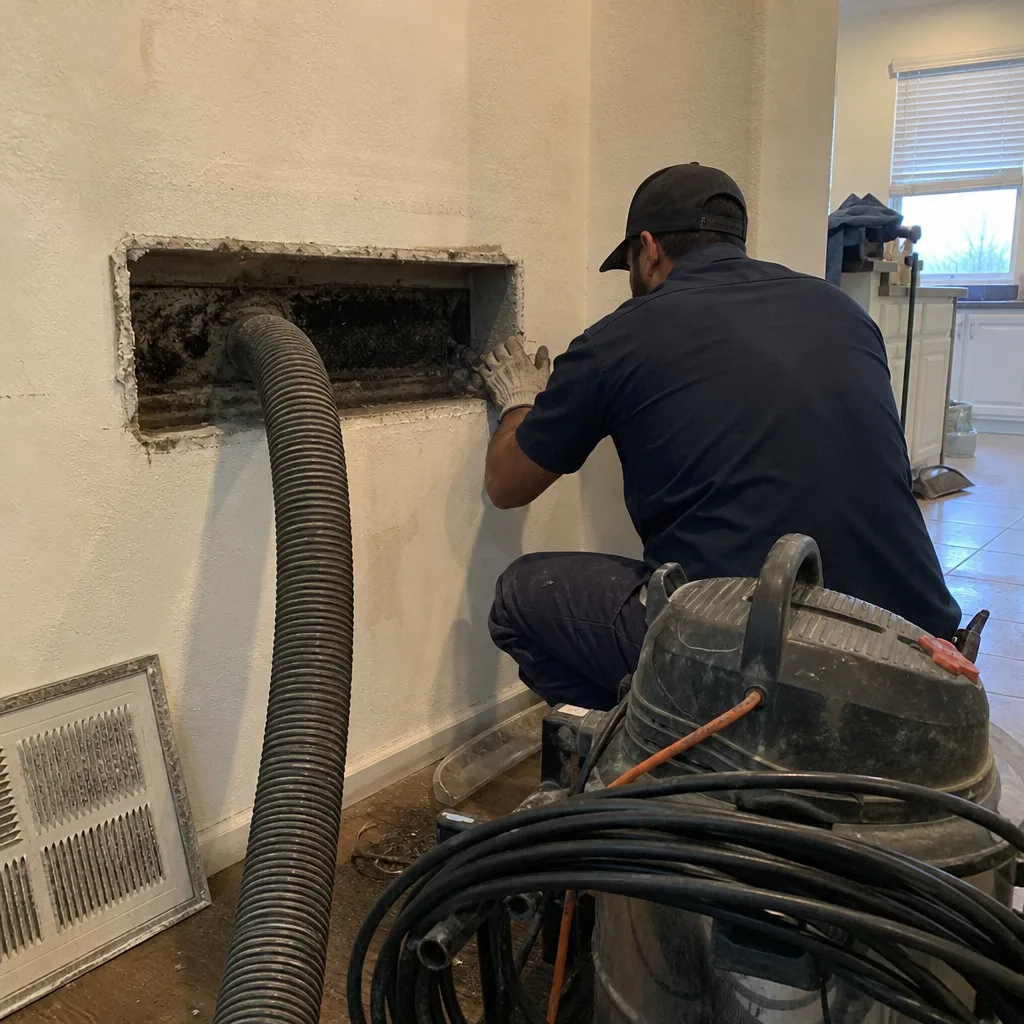
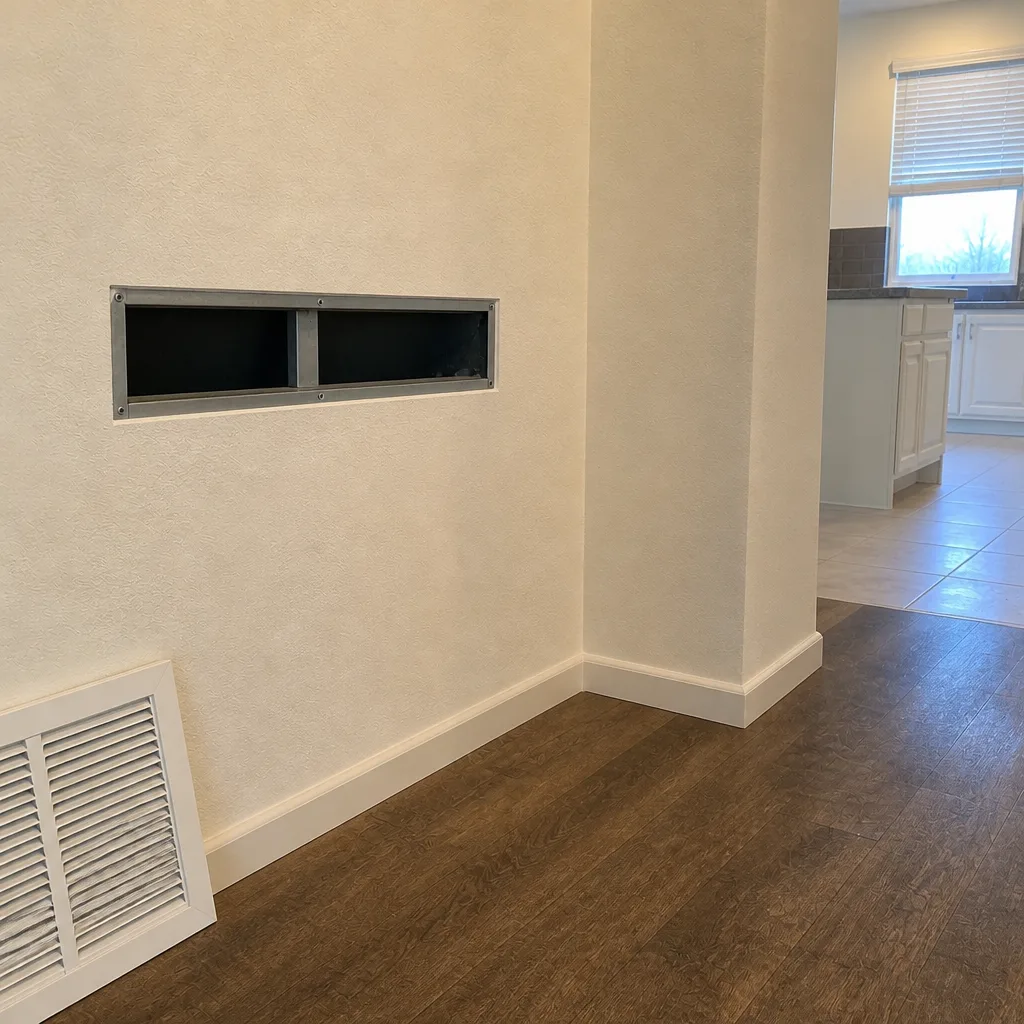
Ask for before-and-after photos. Not of a stock job. Of your ducts. This is the only way to verify that actual cleaning happened. A company that can’t photograph the work isn’t doing work worth photographing.
Ask about repair capability. Cleaning a leaking duct system without fixing the leaks means the system will re-soil quickly. Asking whether they handle air duct repair as a standalone service, not just cleaning, tells you whether they close the loop or clean around problems. Our approach is deliberately one category of work done completely: Fairfield homes deserve that, and no homeowner has time to coordinate three separate companies for ducts, dryers, and IAQ hardware.
Ask what happens if they find a problem. A competent technician documents what they find and tells you about it. They don’t pressure a decision on the spot. They leave the written findings with you and let you decide.
Common Mistakes to Avoid
- Cleaning dirty ducts without addressing leaks first. Cleaning a leaking system is the equivalent of mopping a floor under a leaky roof. Find and fix the breaches, then clean. This is why we treat duct repair as its own service rather than a footnote.
- Buying a “duct cleaning” from a coupon that turns into a surprise invoice. One price per system, in writing, before work starts. If a coupon is the hook, ask for the range they actually see on jobs of your size.
- Running a rotary brush into flex duct without knowing what you’re doing. Flex duct tears easily. Consumer brush kits can catch on the liner. If your ducts are flexible, that’s a professional’s job.
- Agitating ducts with visible mold or musty smells. That’s a containment job, not a cleaning job. Forcing the issue with a shop-vac spreads spores through the house.
- Assuming you only have “dirty ducts” when you actually have an IAQ problem. A musty smell, allergy symptoms that get worse inside, or recurring dust layers on the same surface often point to a moisture, filtration, or leak issue that cleaning alone won’t solve. The air duct cleaning conversation should include the air quality piece when those signs are present.
- Hiring the cheapest van. A cleaning that doesn’t verify its own work can’t be trusted. Ask for before-and-after photos of your own ducts, not a stock gallery.
- Cleaning the ducts before a scheduled renovation. Clean after the dust settles, not before. Renovation debris will re-contaminate everything you just cleaned.
When to Call a Professional
Call when the duct problem is past what your tools can reach. In our experience, that means: visible debris deeper than the first couple of feet in the duct; flex duct anywhere in the system; any musty smell or visible mold staining; post-renovation debris in the return; allergy or asthma symptoms that get worse indoors; a system that hasn’t been cleaned in years; or a dryer vent with a long concealed run. These situations need the negative pressure and HEPA containment that professional equipment provides, and attempting them with consumer gear risks making them worse. If you’re not sure which category you’re in, the safe answer is to get an estimate, not to start cleaning. Duct Cleaning Fairfield offers free estimates in Fairfield and can scope the job in one visit. Call (844) 834-3074. We answer 24/7. Fast dispatch from 7am to 7pm, Sunday through Friday.
See the difference
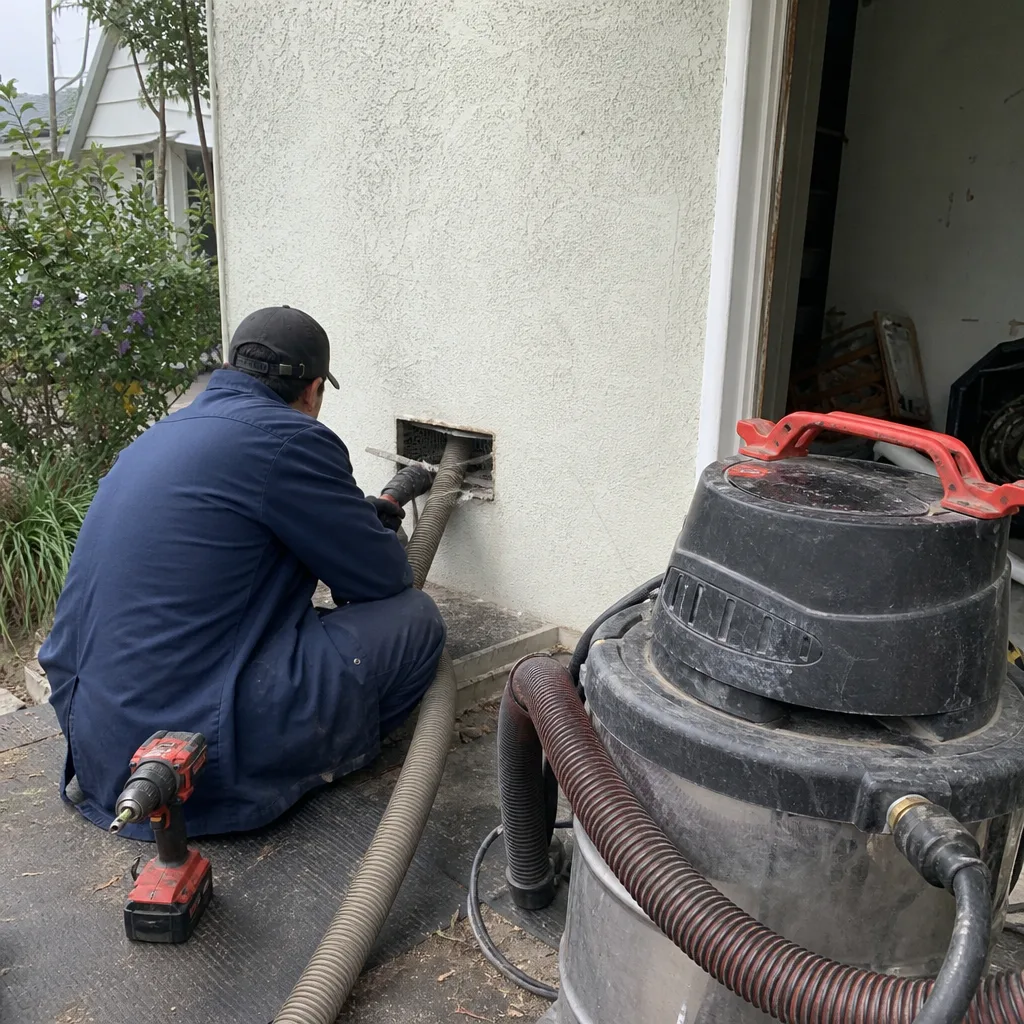 Before
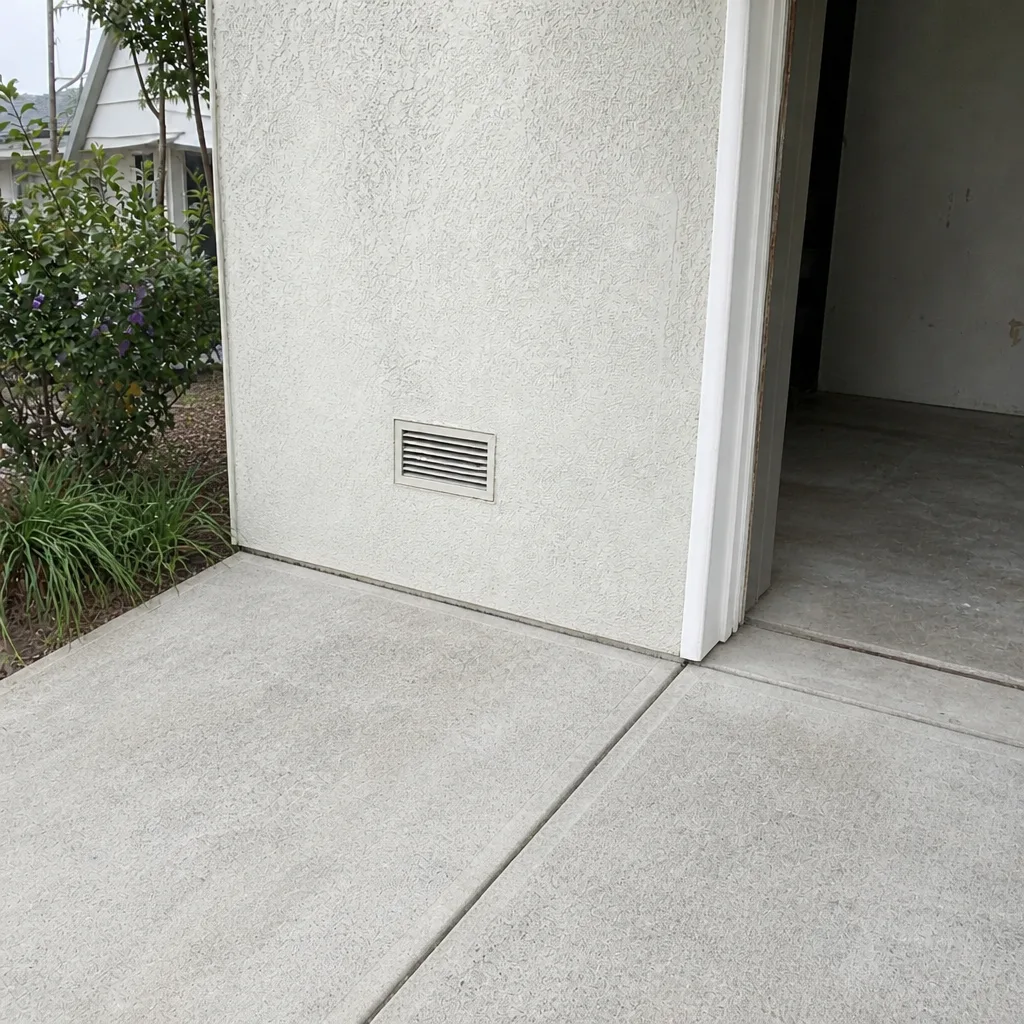 After
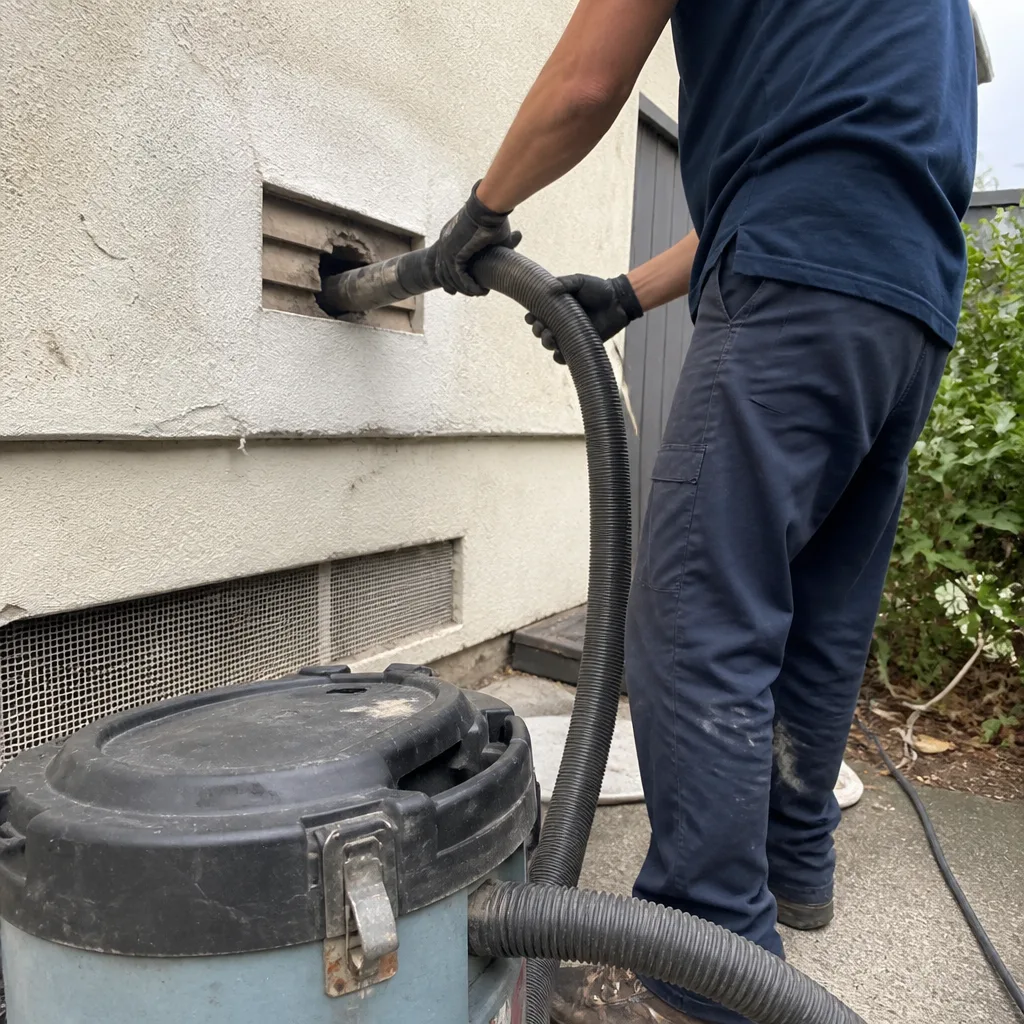 Before
 After
 Before
 After
Frequently Asked Questions
Professional duct cleaning in Fairfield is priced per job by a written estimate, not per vent, and the estimate is free, which is why the honest answer is to get one for your specific home. The estimate accounts for square footage, register count, layout, and whether repair is needed. One flat price is agreed before work starts, so the number you’re quoted is the number you pay. Call (844) 834-3074 for an exact quote. Estimates are free.
Because the cheaper quotes are usually for much less work. A lower quote often means a smaller vacuum that pulls from the open register without sealing the system, a brush that only reaches the first few feet of each run, and no HEPA containment. You get a cosmetic clean and the deeper debris stays where it was. Ask what equipment is used by name. If Rotobrush, Nikro, and Abatement Technologies don’t come up in the answer, you’ve found the difference. Call (844) 834-3074 to compare our estimate to a cheaper one. Estimates are free.
You ask for before-and-after photos of your own ducts, taken at the same register or plenum location, and you compare them. That’s the only verification that means anything. A company that can’t produce photos of the specific job is not a company you should hire. Duct Cleaning Fairfield provides before-and-after photos of your own ducts with every cleaning. Call (844) 834-3074 to schedule an estimate. Estimates are free.
For most Fairfield homes, a cleaning every few years is reasonable unless something specific changes: a renovation, a new pet, a move into an older house, allergy symptoms that come on, or a system that’s been sitting. There’s no single universal interval, and anyone who quotes one without asking about your house is guessing. If it’s been a long time or you’ve recently renovated, call (844) 834-3074 for an assessment. Estimates are free.
You can clean your registers, return grilles, and the first few feet of each duct opening, and that genuinely helps. You cannot clean the runs themselves, because consumer equipment can’t generate the negative pressure needed to capture debris as it’s loosened or reach past the first few feet of a fifteen-to-forty-foot run. For deeper contamination, flex duct, mold, or renovation debris, it takes professional equipment. When you’re ready to check the depth of the problem, call (844) 834-3074. Estimates are free.
Not dangerous the way electrical or gas work is dangerous, but mechanically risky. The real hazards are tearing a flex duct liner with an improvised brush, which turns cleaning into a repair job, and agitating mold or pest contaminants without containment, which spreads them through the house. If you see mold or notice a musty smell, stop and call. Call (844) 834-3074 for an assessment. Estimates are free.
The Bottom Line
DIY duct cleaning is a reasonable upkeep routine for registers and grilles, and a bad idea for the ducts themselves. The limit isn’t effort, it’s physics: a consumer brush and shop-vac reach a small fraction of a typical Fairfield duct run, can’t create meaningful negative pressure, and can’t capture fine particulate. Professional cleaning earns its price when you have deeper contamination, flex duct, mold, renovation debris, or a reason to want verification. If you do call, ask about equipment by name, insist on per-system pricing in writing, and ask for before-and-after photos of your own ducts. That’s the standard every company should meet.
If you’re not sure which side of the line your home is on, we’re glad to look. Call Duct Cleaning Fairfield at (844) 834-3074 for a free estimate. We answer 24/7. Fast dispatch from 7am to 7pm, Sunday through Friday.
Written by the team at Duct Cleaning Fairfield.