
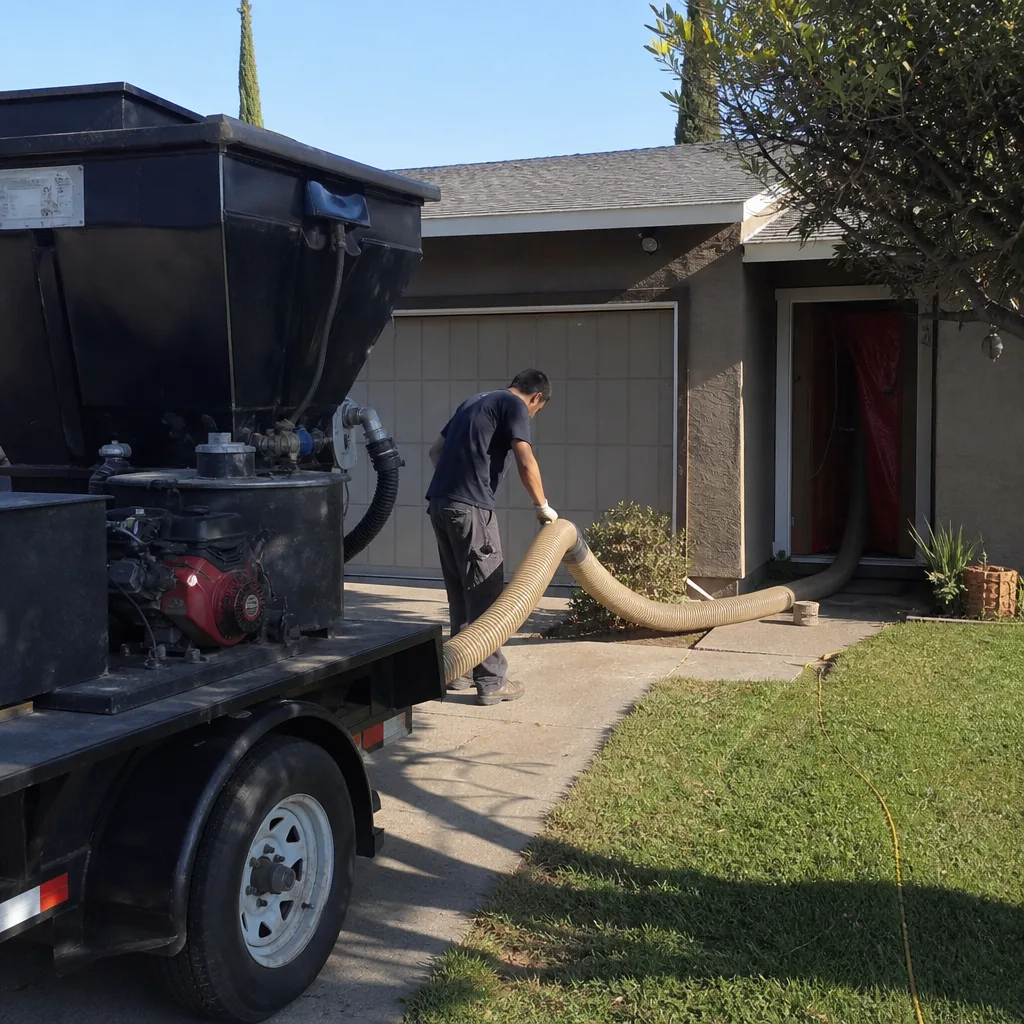
Last updated November 16, 2026
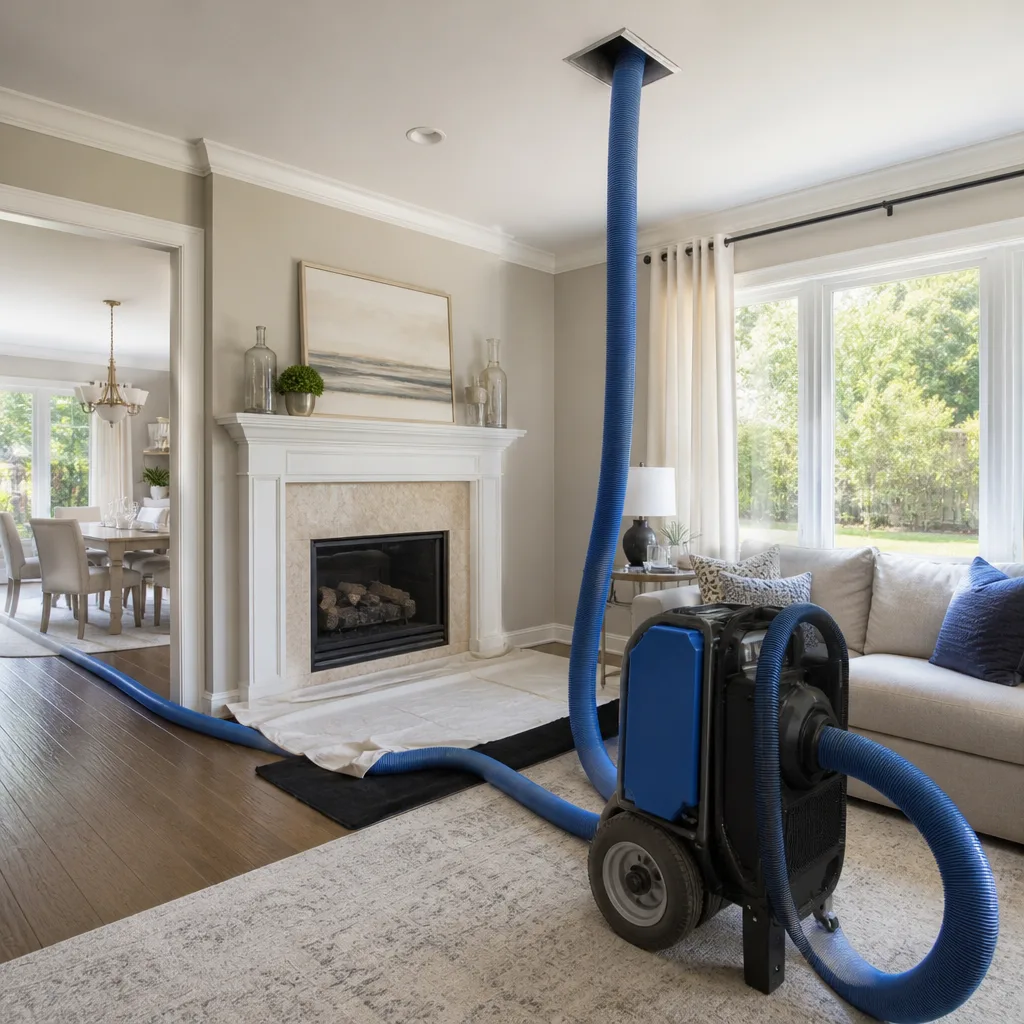 Whole-home duct cleaning
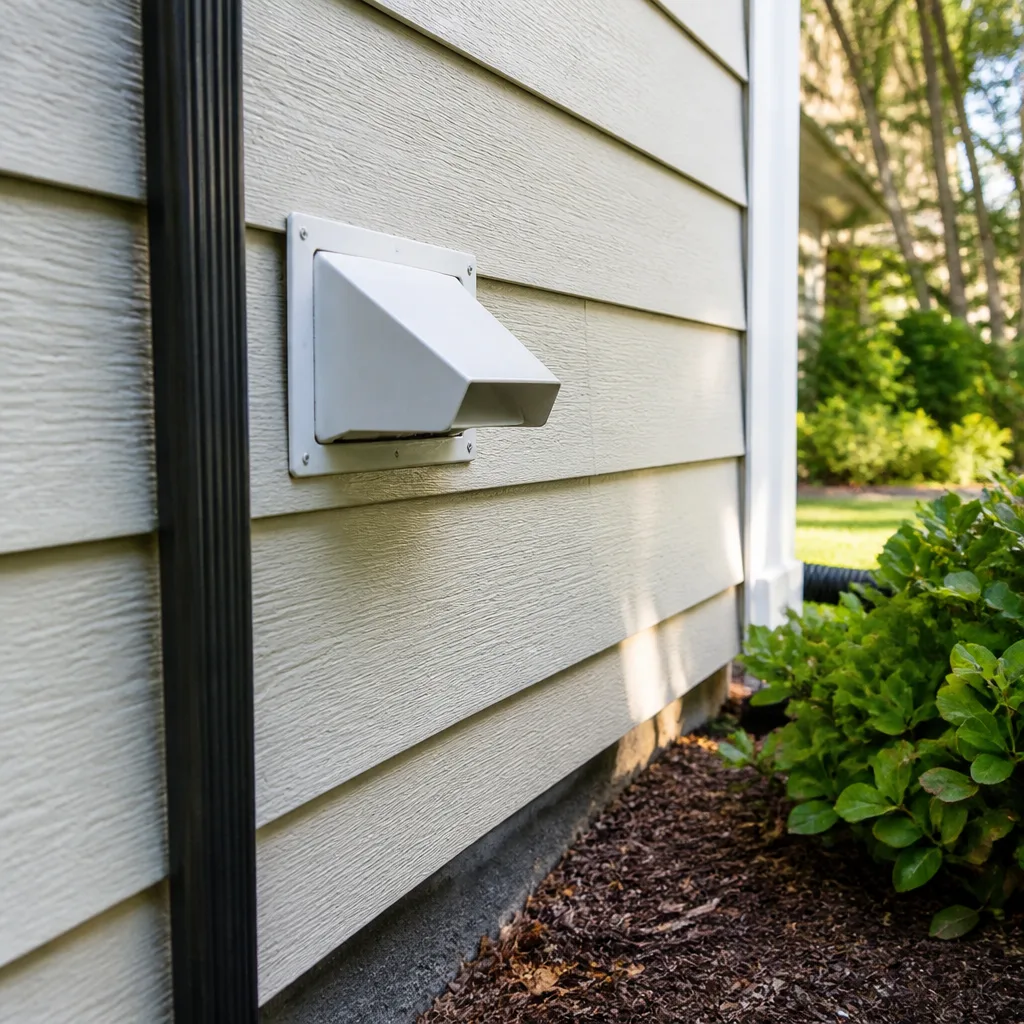 Dryer vent cleaning
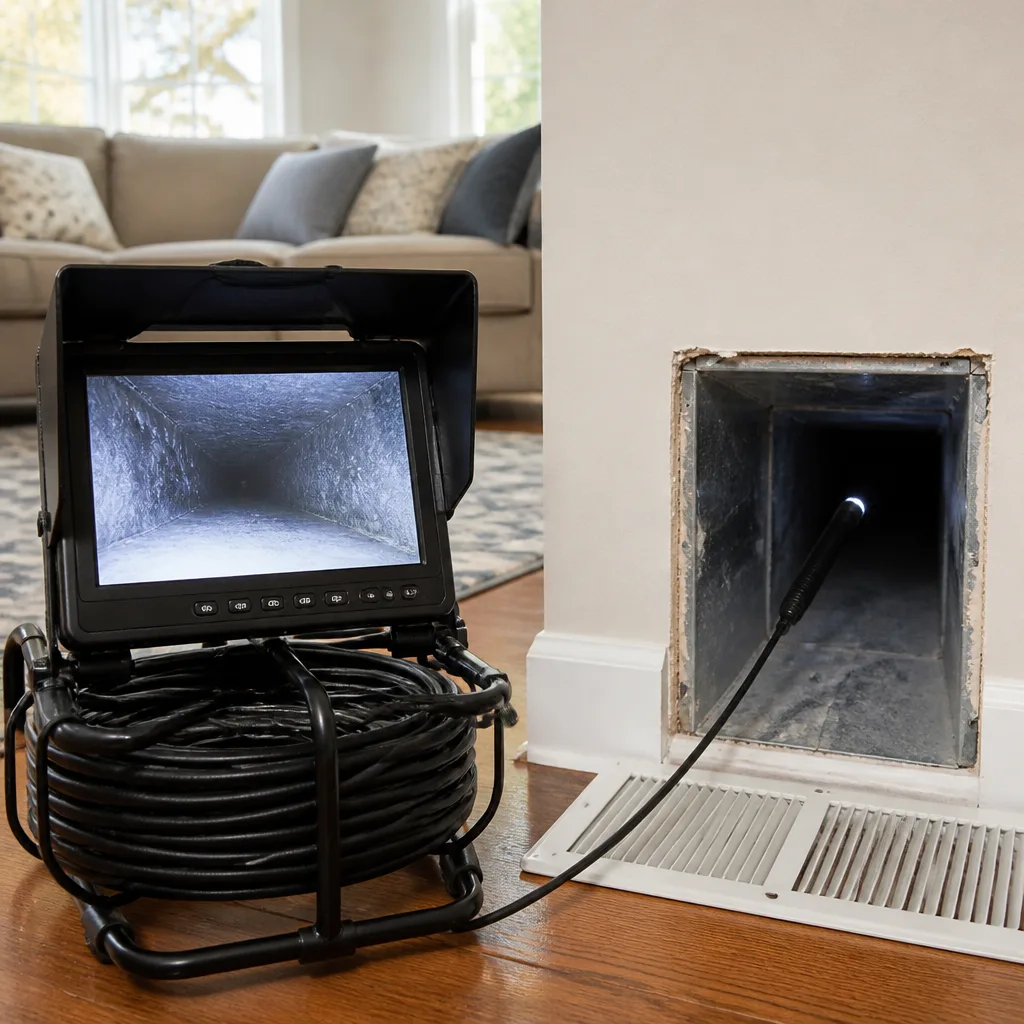 Camera inspection
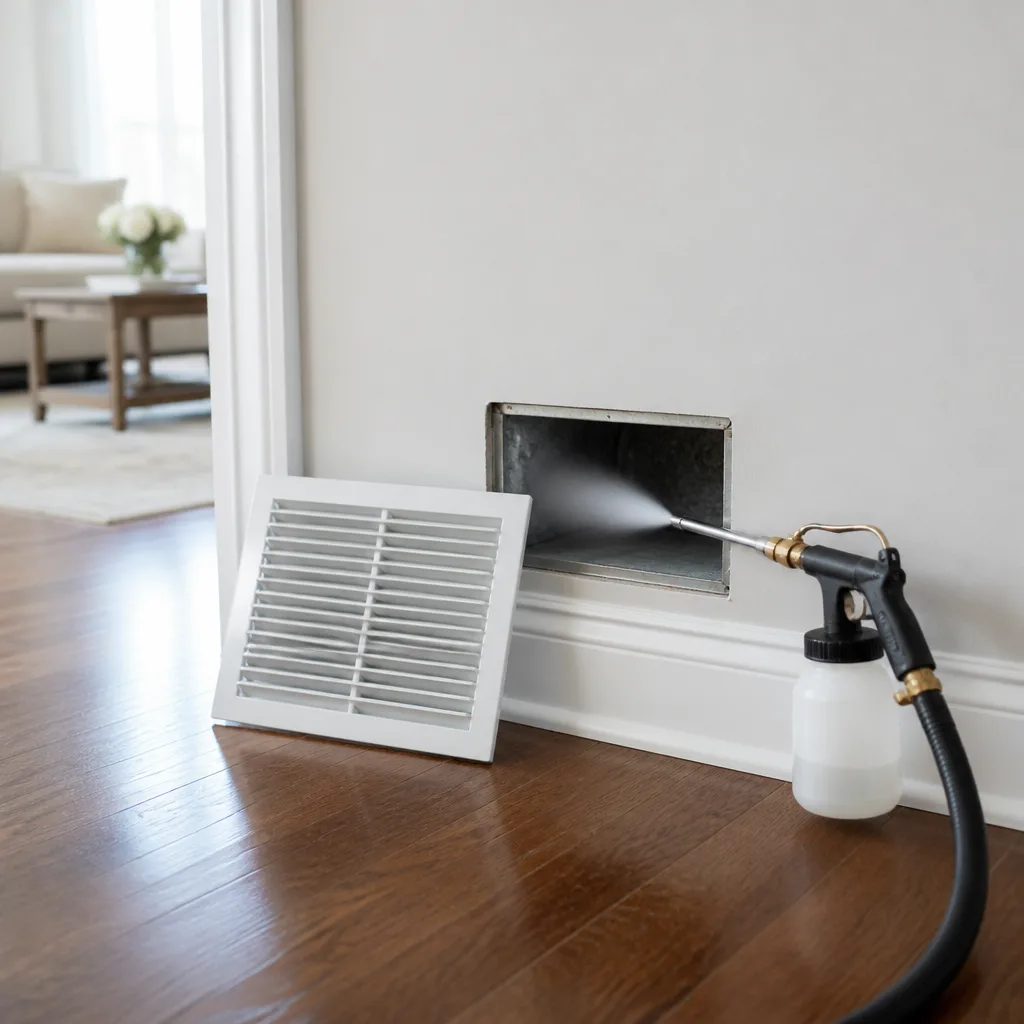 Sanitizing & deodorizing
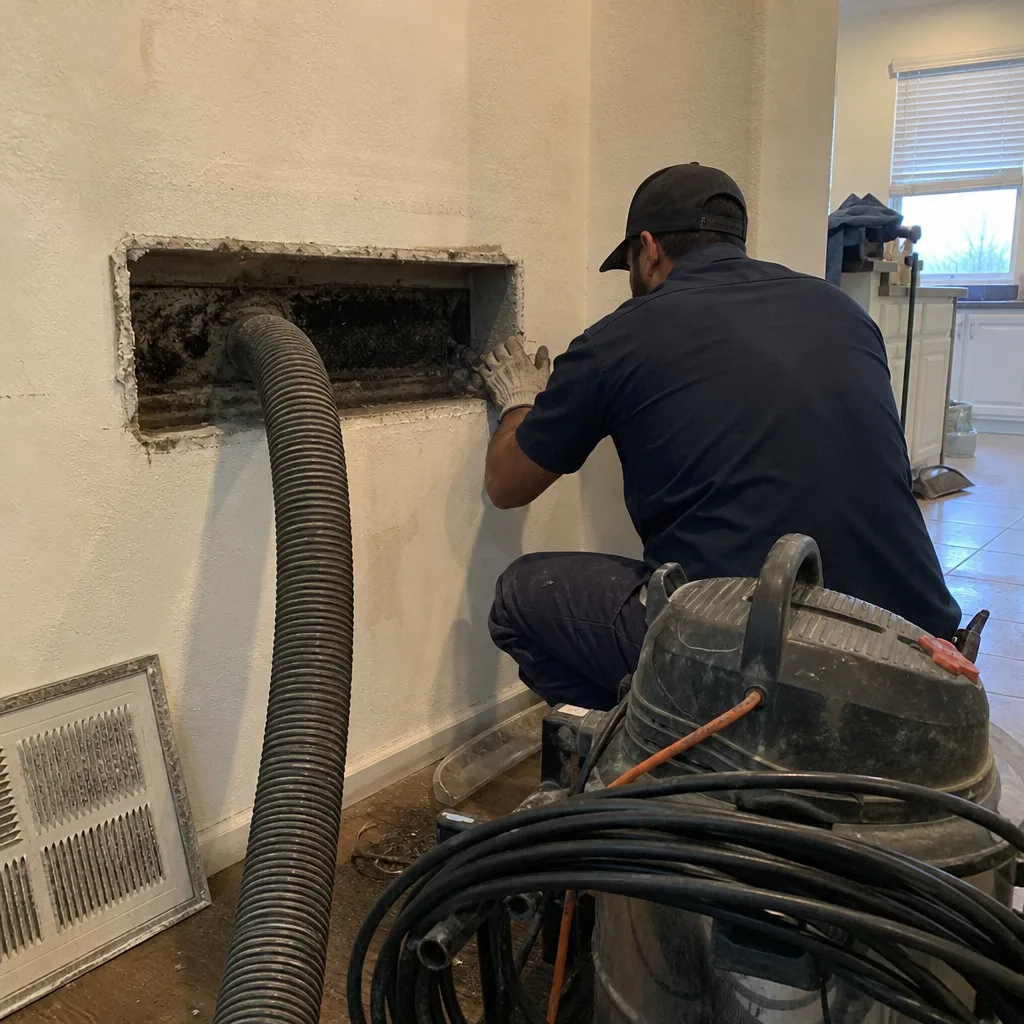
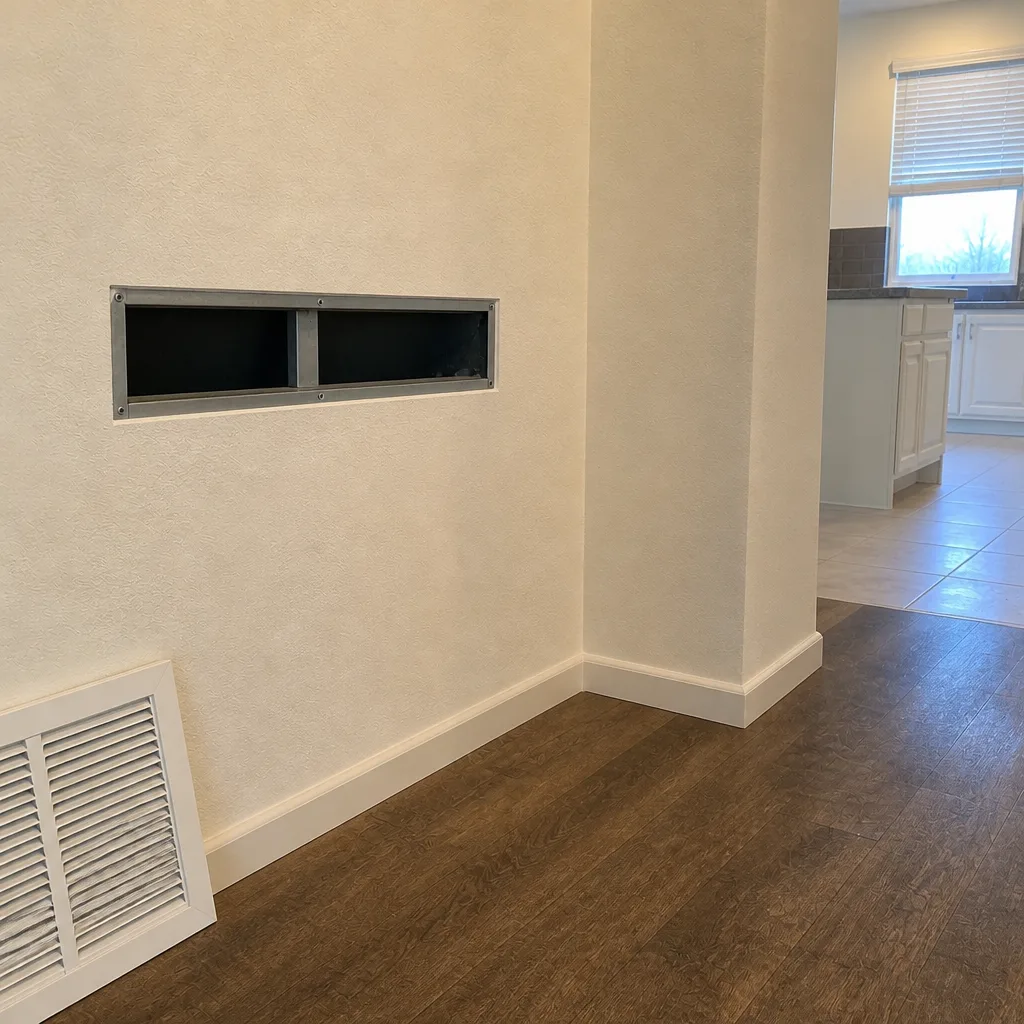
Whole-system duct and dryer vent check with before-and-after photos - you see exactly what came out of your vents
That "$99 whole-house special" is a bait ad - the real number appears once they are in your hallway, or the "clean" is a shop-vac at the register. We photograph the inside of your ducts before and after instead.
Air Duct Cleaning Emergency Preparedness Guide for Fairfield Homes
The instinct during a smoke event is to seal the house and run the HVAC harder to “filter the air.” That’s often backwards. Running a standard system on fresh-air intake during heavy wildfire smoke can pull concentrated PM2.5 straight into the duct system, where it settles on insulation and sheet metal and stays long after the sky clears. This guide covers how Fairfield’s own risk profile – wildfire smoke, Suisun Marsh wind carrying agricultural particulate, seasonal burn windows, and earthquake exposure near the Vaca Mountains fault zone – affects your ducts, and what to do before, during, and after each event. You’ll get preparation steps, assessment methods, and documentation habits that hold up for insurance.
Quick Answer
Air duct cleaning after a Fairfield wildfire smoke event matters because smoke particulate doesn’t just pass through – it coats duct interiors, and once it embeds in insulated duct liner, standard surface cleaning can’t fully remove it. Before an event, document your duct condition with photos and airflow readings, know whether your system can handle a MERV 13 filter, and plan to shut down fresh-air intake during smoke. After an event, inspect for damage and liner contamination before restarting the system, and call a specialist if you find either.
Styles & brands we work with
- Whole-home duct cleaning
- Dryer vent cleaning
- Camera inspection
- Sanitizing & deodorizing
Table of Contents
- Wildfire Smoke Protocol: Shut Down or Recirculate?
- What MERV Rating Actually Filters PM2.5
- Post-Smoke Duct Assessment: Liner vs. Sheet Metal
- Earthquake Preparedness for Duct Systems
- Agricultural Burn Windows and Filter Timing
- Documenting Pre-Emergency Duct Condition
- The Recovery Sequence After Any Event
Wildfire Smoke Protocol: Shut Down or Recirculate?
During heavy smoke, the correct move depends on what your system is doing with outside air. A system pulling fresh air into the return is actively importing smoke. A system set to recirculate is moving already-filtered indoor air and, if the filter is adequate, can help. The difference matters because a fresh-air intake running through a thick smoke plume can load your ducts with particulate in a matter of hours.
Here’s the sequence to follow when smoke arrives in Fairfield:
- Close all windows and exterior doors. Obvious, but easy to forget when a smoke event starts mid-afternoon.
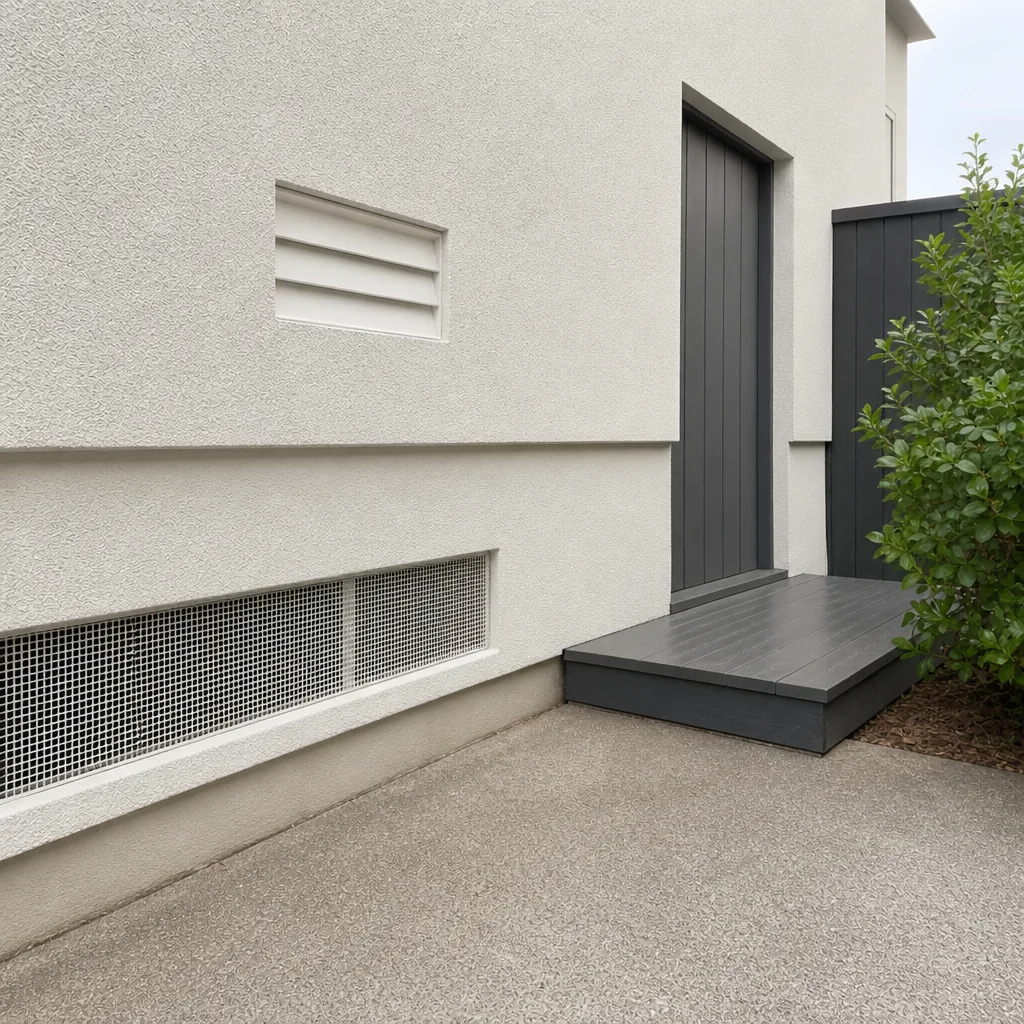
- Identify whether your HVAC has a fresh-air intake. A duct running to an exterior wall with a damper or a small louvered vent is the tell. Many modern Fairfield homes have one; older homes often don’t.
- If you have a fresh-air intake, close the damper or shut the system off entirely. Running fresh air during a smoke event is the single fastest way to contaminate duct interiors.
- If you have no fresh-air intake, you can run the system on recirculate with a MERV 13 filter in place, provided the system is rated for it.
- Don’t run a whole-house fan. A whole-house fan pulls outside air in by design and will flood the house with smoke.
We’ve seen plenty of homes in Fairfield where a fresh-air damper was left open through an entire smoke season simply because nobody knew it was there. The damper is usually a lever near the return plenum or a small labeled handle at the exterior inlet. If you can’t find it, that’s a good thing to sort out before the next smoke event, not during one.
One more thing worth saying plainly: if a smoke event is severe and your system isn’t rated for a high-MERV filter, shutting it off and relying on portable air cleaners in one or two rooms is often the better call. A system that can’t filter fine particulate is just moving smoke around.
What MERV Rating Actually Filters PM2.5
A MERV 13 filter is the minimum that reliably captures PM2.5 – the fine particulate that makes wildfire smoke dangerous. MERV 8 and MERV 11 filters catch larger particles but let a meaningful share of PM2.5 pass through. That’s the number to remember, and it’s the number most standard 1-inch filter slots can’t safely accommodate.
The catch: your system has to be rated for a MERV 13 filter. A high-MERV filter installed in a system designed for a low-MERV, low-restriction filter creates excessive static pressure. That reduces airflow, strains the blower, and can lead to coil icing or premature blower failure. It also quietly undermines the reason you installed the filter in the first place.
How to check what your system can handle:
- Look at the filter slot. A 1-inch slot is usually limited to lower MERV. A 4-inch or 5-inch media cabinet is much more likely to be rated for MERV 13.
- Check the air handler or furnace label. Many list a maximum allowable external static pressure and a maximum recommended MERV.
- Ask before you buy. If the label is unclear, a qualified HVAC technician can measure static pressure with a candidate filter installed and tell you whether it’s safe.
This is where a platform upgrade pays off. A media cabinet rated for a deep filter – the kind we install and service with Honeywell and Aprilaire air-quality platforms – gives you room for MERV 13 filtration without choking the system. That’s a durable answer for a Fairfield home that will see more smoke seasons, not fewer.
Two practical notes: change a MERV 13 filter more often during smoke season, since it’s loading faster than normal, and don’t leave a high-MERV filter in place indefinitely if your system wasn’t designed for it. A filter that’s rated too high for your system is not a safety upgrade – it’s a strain on the blower.
Post-Smoke Duct Assessment: Liner vs. Sheet Metal
After a smoke event clears, the question is whether your ducts need cleaning or something more. Two different problems arise, and they have different remediation paths. Surface-settled particulate on bare sheet metal is a cleaning problem. Smoke embedded in insulated duct liner is a liner problem – and standard rotary cleaning can’t pull particulate out of porous insulation that has absorbed it.
How to tell them apart:
- Sheet metal surfaces (bare galvanized interior): Smoke deposits sit on top as a fine gray or black film. Wiping a section with a white cloth will show soot transfer. This cleans off with contact-based brushing under negative pressure.
- Insulated duct liner (the fibrous, matte surface inside many trunk lines and return plenums): Smoke that has soaked into the liner surface shows as darkened, matted sections that don’t wipe clean. Once liner is impregnated, cleaning removes surface soot but can’t fully restore the material.
- Flexible duct (corrugated, usually lined): The corrugations trap and hold particulate. Inspect the interior with a flashlight for soot lines along the valleys.
Where to look: the return plenum, the supply trunk near the air handler, and the first few feet of any branch run. Those are the areas that see the most air volume and accumulate the most smoke deposition. A flashlight inspection at an accessible register or plenum panel is enough to tell you which situation you’re facing.
Why the distinction matters: cleaning sheet metal restores the duct. Liner that’s been smoke-impregnated may need to be replaced, or the affected run re-lined or replaced entirely. That’s a scope of work question, not a cleaning question. Professional cleaning with HEPA-level containment – using Abatement Technologies HEPA equipment on the extraction side – is the right first step because it captures dislodged particulate rather than redistributing it into the home. From there, the assessment tells you whether liner replacement or repair is needed.
One point to hold onto: a thorough air duct cleaning after a smoke event is worth doing whether or not you find liner damage, because it removes the surface soot that would otherwise keep getting stirred up every time the system cycles.
Earthquake Preparedness for Duct Systems
Fairfield sits close enough to the Vaca Mountains fault zone that seismic movement is a real planning consideration, not an abstraction. When the ground moves, the first components of a duct system to fail are the flex duct connection points – the short lengths of flexible duct that bridge the rigid trunk line to the rigid register boot. Those connections are designed to absorb some movement, but they have limits.
What to inspect after a seismic event, before restarting the HVAC:
- Check accessible flex duct connections. Look for separated collars, pulled hose clamps, or duct that’s visibly sagging or disconnected.
- Check the air handler and furnace. A unit that has shifted on its platform can kink the plenum connection or stress the return duct.
- Check exhaust and dryer vents. A disconnected dryer vent is a fire risk when the dryer runs, and seismic movement can pull a corrugated vent loose at the back of the appliance. That’s exactly the kind of failure dryer vent cleaning inspections catch.
- Don’t run the system until the inspection is done. A disconnected supply duct or an open plenum connection in a crawlspace or attic will pull unconditioned, contaminated air into the living space.
Before an event, the preparation is simpler than the recovery: know where your flex connections are, and make sure the space around the air handler is accessible. If your air handler is buried in a closet behind stored boxes, you won’t be able to inspect it in the first hour after a quake.
Post-quake duct repair – reseating collars, replacing torn flex sections, reinforcing plenum connections – is a distinct service from cleaning. We repair what we find, not just clean over it, which matters when the cause of contamination is a physical failure rather than ordinary buildup.
Agricultural Burn Windows and Filter Timing
Solano County is an agricultural burn permit area. That means the burn window – the seasonal period when permitted agricultural burning takes place, subject to weather conditions and daily burn-day decisions – is a predictable smoke source distinct from wildfire. Smoke from agricultural burns tends to be shorter and more localized than wildfire smoke, but it still loads filters and deposits particulate in ducts.
The practical move is to time your filter upgrade around the burn window rather than reacting mid-season. Here’s how to think about it:
- Upgrade before the burn window opens. A MERV 13 filter in place at the start of the season captures smoke from the first burn days, not the fifth.
- Change filters at the end of the season, not the beginning. A filter that’s loaded with burn-season particulate has done its job; leaving it in place means restricted airflow going forward.
- Watch the wind direction. Suisun Marsh wind events can carry agricultural particulate west into Fairfield on days when nearby burning is active. On those days, the same fresh-air-intake protocol applies as for wildfire smoke.
This is the specific reason we like filter platforms that give you some flexibility – a Honeywell or Aprilaire media cabinet lets you run a higher-MERV filter through burn season and swap to a lower-MERV, lower-restriction filter for the rest of the year if your system calls for it. Timing a filter upgrade to the burn window is one of the few genuinely cheap, high-impact things a Fairfield homeowner can do.
One caution: burn-day decisions and permit requirements change, so check with the Bay Area Air Quality Management District or Solano County before planning around a specific burn day. That said, the general seasonal pattern – burn activity concentrated in the cooler months – is enough to plan a filter change around.
Documenting Pre-Emergency Duct Condition
The single most useful thing you can do before an emergency is document that your ducts were in good shape beforehand. Without a baseline, an insurance claim after a smoke or quake event becomes an argument about what was pre-existing versus what the event caused. With a baseline, it’s a comparison.
What to capture:
- Photos of each accessible register and return, with a straight-on view of the grille and the visible duct interior. Most phone cameras can get a usable shot with a flashlight held at an angle.
- A photograph of the air handler label showing the model and rated filter size.
- Airflow readings at supply registers. An inexpensive anemometer gives you a number you can compare against post-event. If the reading drops after a smoke event, you have evidence of restriction or disconnection.
- A photograph of any visible flex duct connections before an earthquake, showing their condition and position.
- Dated notes on your last filter change. A photo of the filter in place with the date written on it is enough.
Store the file somewhere off your phone – cloud backup or email – so it survives whatever happens to the house. And keep a copy of the documentation in a folder you can send to a claims adjuster or to a duct specialist asked to assess post-event condition.
Professional cleaning records help here too. If a specialist has documented the condition of your ducts with before-and-after photos as part of a routine cleaning, you have a dated professional baseline. That’s a stronger piece of evidence than a homeowner’s flashlight photo, and we generate those records on every job as standard practice.
The Recovery Sequence After Any Event
Recovery from a smoke, wind, or seismic event has an order. Doing the steps out of sequence means recontaminating the duct system you just cleaned, or missing a physical failure because you ran the system first.
- Inspect before running anything. Visual check of flex connections, the air handler, and accessible duct interiors.
- Confirm the air handler is intact and undamaged. If it shifted, kinked, or was exposed to smoke through an open plenum, address that before restarting.
- Replace the filter. A filter loaded with event particulate is restricted and needs to go.
- Have the ducts assessed. Professional inspection tells you whether surface cleaning is enough or whether liner replacement or duct repair is needed.
- Clean with containment. Extraction with HEPA-level equipment – we use Abatement Technologies HEPA units alongside Nikro high-CFM negative-air vacuum equipment – captures the particulate instead of blowing it into the room.
- Repair what cleaning can’t fix. If inspection turned up damaged liner, disconnected flex duct, or a leaking plenum, that’s a duct repair scope, not a cleaning scope.
- Rebaseline. New photos and airflow readings, because your pre-event baseline is now out of date.
The tools matter here in a way that’s not marketing. A shop-vac rig and an air whip will dislodge particulate; without negative pressure and HEPA containment, some of that particulate ends up back in the air you breathe. Contact-based rotary brushing – the Rotobrush system we run – does the work on the duct surface, and negative pressure extracts what the brush loosens. The order and the containment are what turn a cleaning into a recovery.
Common Mistakes to Avoid
- Running the system on fresh-air intake during smoke. This is the biggest one. Fresh air during a smoke event imports concentrated PM2.5 directly into your ducts, and it takes a professional assessment to know whether it embedded in liner.
- Installing a MERV 13 filter in a system not rated for it. Higher MERV sounds safer, but the static pressure can strain the blower and cause coil icing. Check the system rating first.
- Restarting the HVAC immediately after an earthquake. A disconnected flex duct or kinked plenum pulls attic or crawlspace air into the home. Inspect first, then run.
- Using a whole-house fan during a smoke event. It’s designed to pull in outside air, which is exactly what you don’t want.
- Cleaning ducts after a smoke event without HEPA containment. Ordinary air-whip cleaning without containment redistributes particulate into the living space. Look for HEPA-level extraction equipment on the job.
- Skipping documentation before an event. Without a baseline, insurance claims and post-event assessments become arguments. Ten minutes of photos and an airflow reading fixes that.
- Treating duct cleaning as a solution for a physical failure. If a flex duct is torn or a liner is smoke-impregnated, cleaning alone doesn’t fix the cause. Repair and cleaning are different services.
See the difference
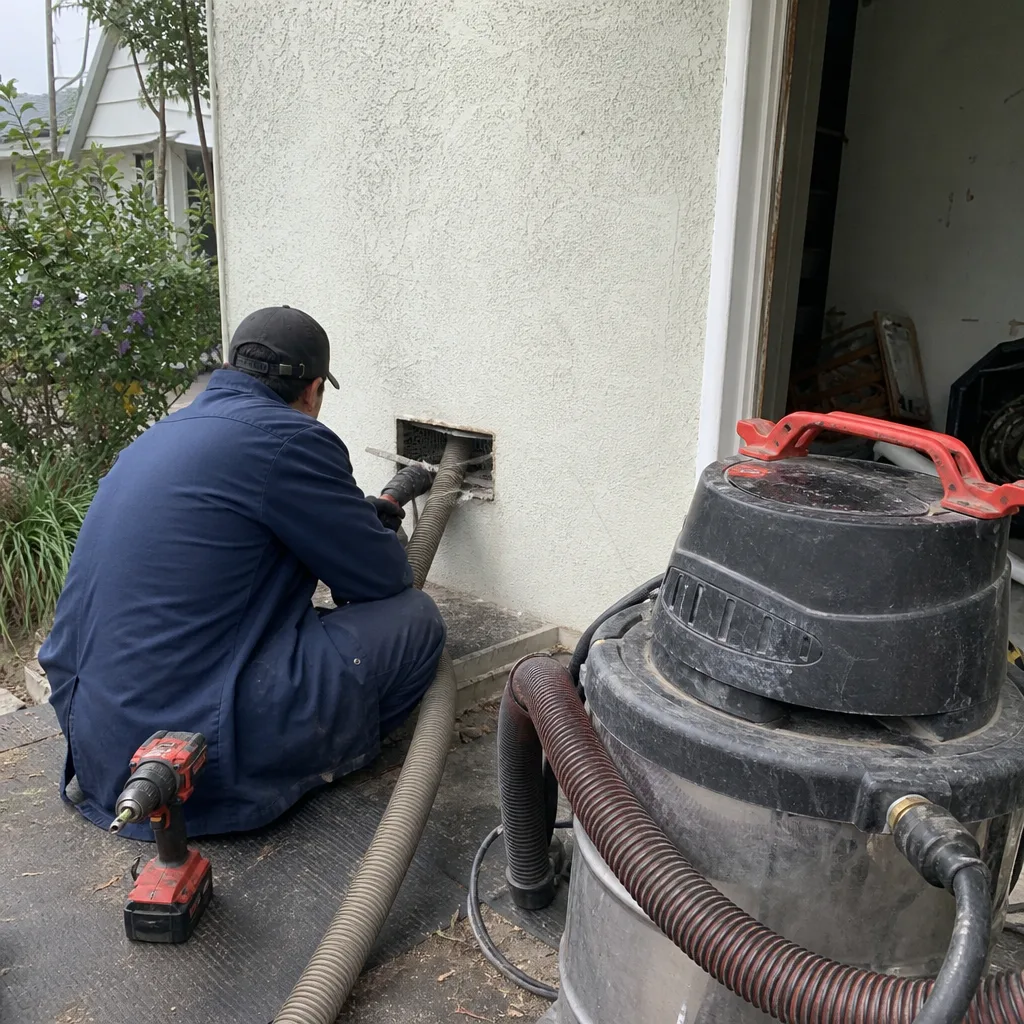 Before
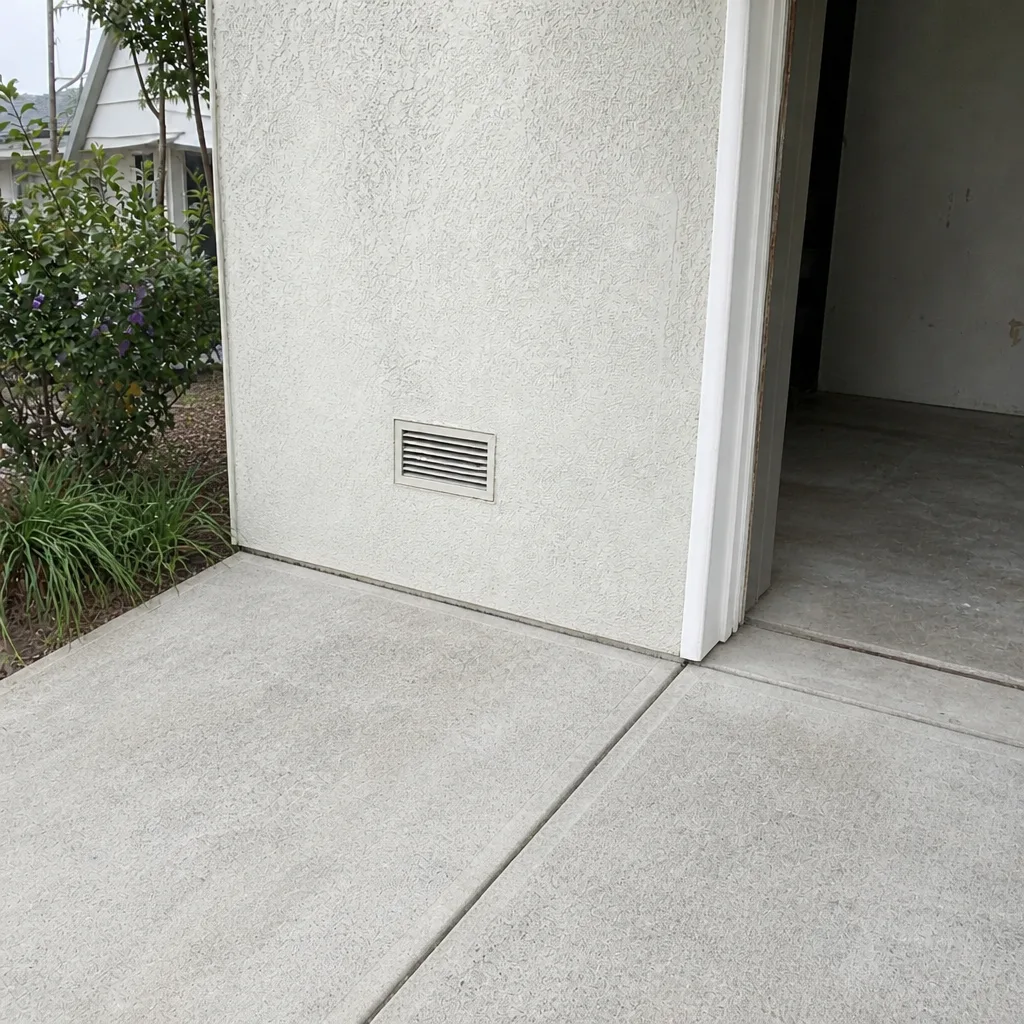 After
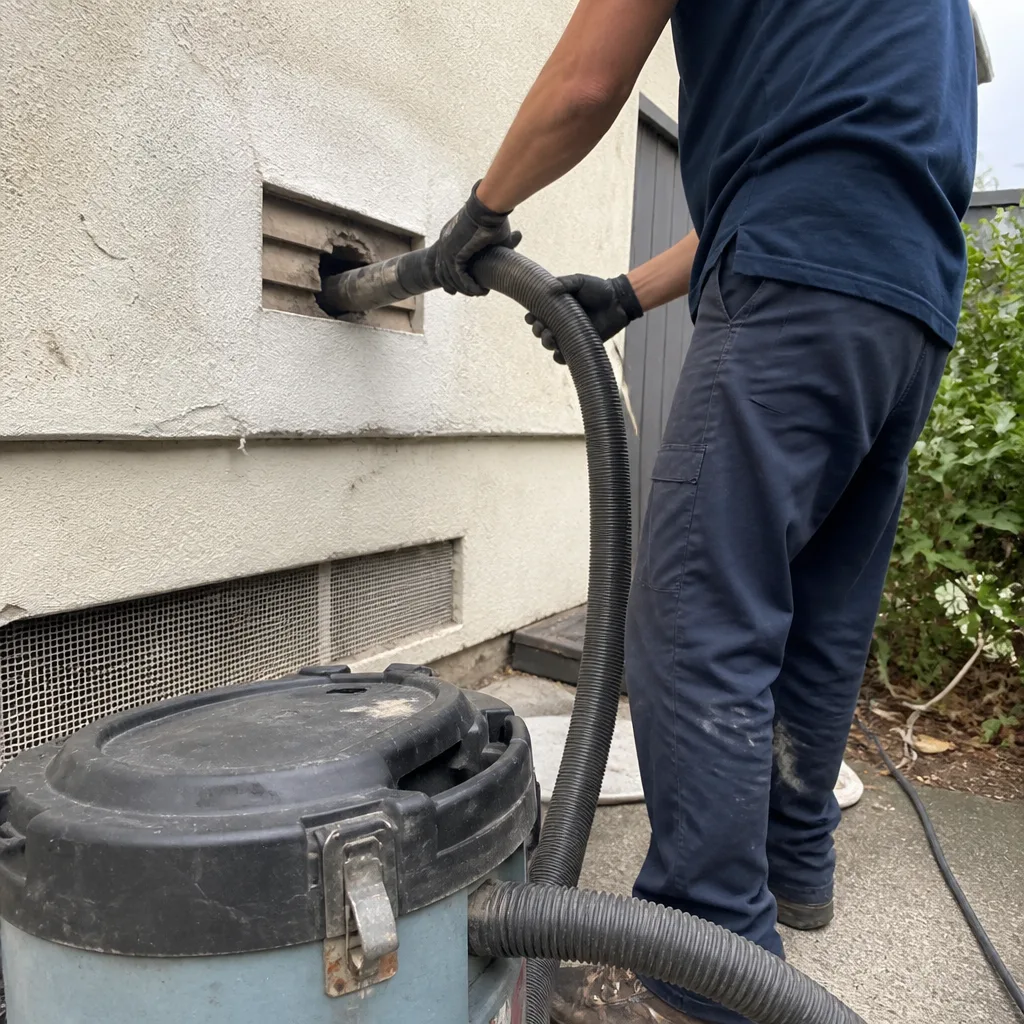 Before
 After
 Before
 After
When to Call a Professional
Call a professional when the question is beyond visual inspection: after any heavy smoke event, when you can’t tell whether smoke embedded in liner or settled on sheet metal; after an earthquake, before restarting the HVAC; when a fresh-air damper is hard to find or operate; when you need a MERV 13 filter installed and aren’t sure the system is rated for it; or when your ducts haven’t been inspected and you want a documented baseline before the next event. Duct Cleaning Fairfield offers free estimates in Fairfield – call (844) 834-3074. We answer 24/7. Fast dispatch from 7am to 7pm, Sunday through Friday, and we’re closed Saturday.
Frequently Asked Questions
As soon as the smoke clears and you’ve done a visual inspection, book a professional assessment – the sooner the better, because settled soot keeps getting stirred up every time the system cycles. If the system was run on fresh air during the event, treat it as urgent. If the system was shut off, a scheduled cleaning within a few weeks is enough. Call (844) 834-3074 for a free estimate.
No. Cleaning removes surface soot from the liner but can’t restore insulation that has absorbed smoke particulate. When that happens, the affected run needs replacement or re-lining, not another pass with a brush. The first step is a professional assessment to tell the difference. Call (844) 834-3074 to schedule one.
MERV 13 is the minimum that reliably captures PM2.5, which is the fraction of wildfire smoke that matters most. But your system must be rated for that filter, or the higher restriction will strain the blower. Check the label and, if unclear, have a technician measure static pressure. Call (844) 834-3074 for a free estimate on an upgrade to a filter platform rated for it.
Look for a duct running to an exterior wall with a damper or a small louvered vent, or a labeled lever near the return plenum. If you find one, close the damper during smoke events. If you can’t find it, that’s a good reason to have the system inspected before the next smoke season. Call (844) 834-3074 for a free estimate.
Sometimes. Coverage depends on your policy and the documented cause, which is why pre-event documentation matters – photos and airflow readings establish a baseline. We can work with your insurer on the assessment and provide before-and-after photos of the duct condition. Call (844) 834-3074 for a free estimate and assessment.
No. Inspect first. Seismic movement commonly fails flex duct connections at the air handler and register boots, and running the system with a disconnected duct pulls attic or crawlspace air into the home. Have the system inspected, then restart. Call (844) 834-3074 for a free estimate.
Every few years for a typical home, more often if you have pets, allergies, or have been through a smoke event. In Fairfield specifically, the combination of wildfire seasons and Solano County’s agricultural burn window means ducts accumulate more particulate than in a comparable inland climate without those smoke sources. Call (844) 834-3074 for a free estimate.
Usually because the equipment is smaller. A portable shop-vac rig and an air whip can dislodge debris, but without HEPA containment and high-CFM negative pressure, some of that debris ends up back in the air. We run Rotobrush rotary brushing, Nikro negative-air vacuum equipment, and Abatement Technologies HEPA units, and we quote one flat price per system agreed before work starts, with before-and-after photos of your own ducts. Call (844) 834-3074 for a free estimate.
The Bottom Line
Fairfield’s emergency risk profile is specific: wildfire smoke from regional fires, wind-borne agricultural particulate during Solano County’s burn window, and seismic movement near the Vaca Mountains fault zone. Each one has a duct-specific consequence that ordinary HVAC maintenance doesn’t address. Prepare by documenting your duct condition, knowing your system’s filter rating, and finding your fresh-air damper. Recover by inspecting before restarting, replacing loaded filters, and having ducts assessed for the liner-versus-sheet-metal distinction before assuming cleaning is enough. Equipment matters, containment matters, and repair is a separate service from cleaning. For a free estimate, call (844) 834-3074. We answer 24/7. Fast dispatch from 7am to 7pm, Sunday through Friday, and we’re closed Saturday. Our technicians have up to 14 years of experience, and we serve Fairfield with air duct cleaning, dryer vent cleaning, and duct repair as three focused services.
Written by the team at Duct Cleaning Fairfield.