
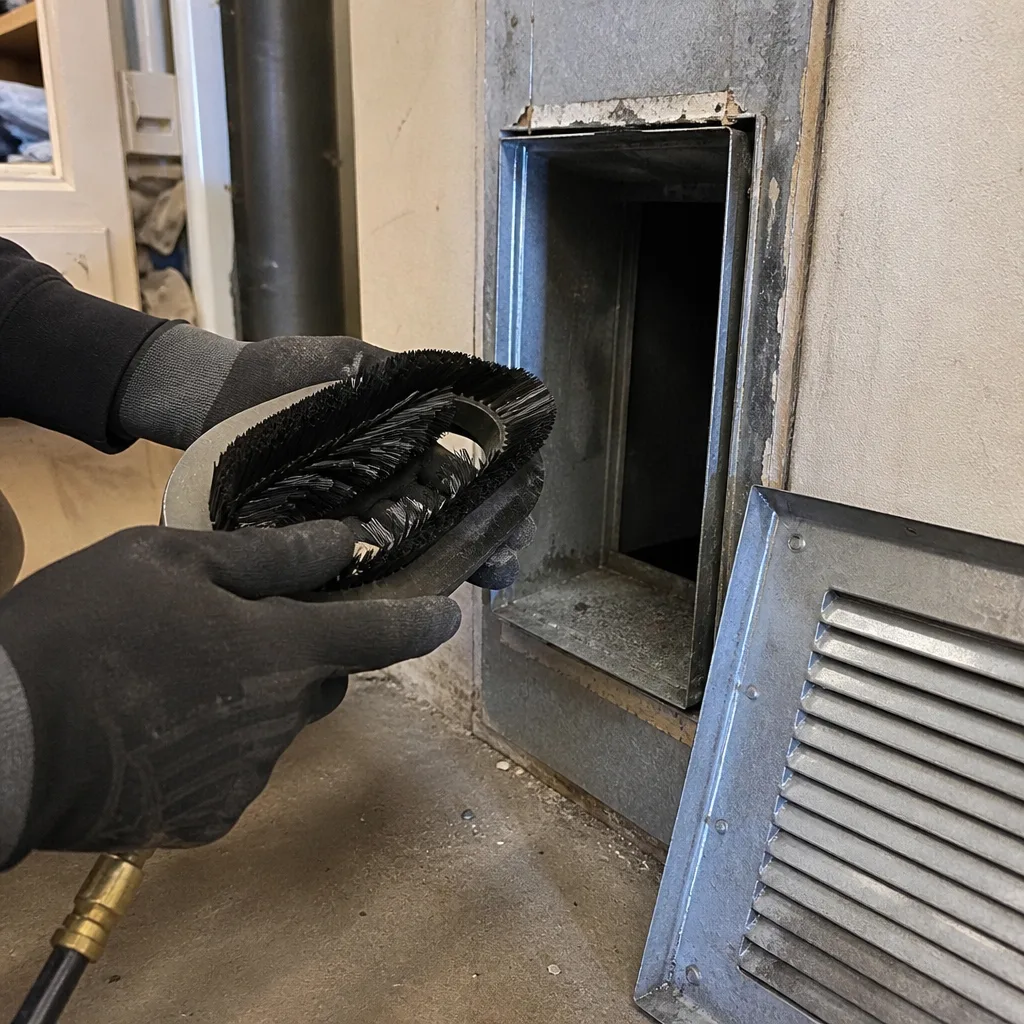
Last updated November 16, 2026
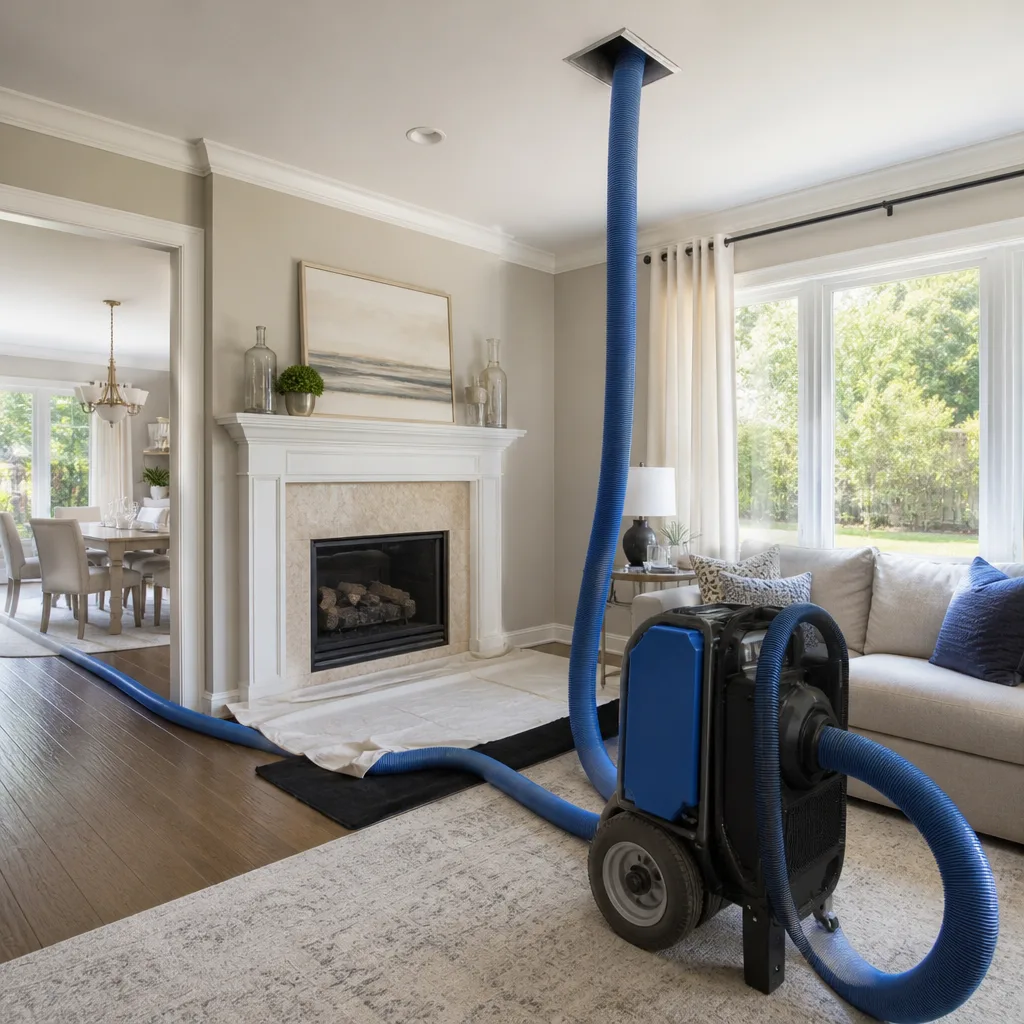 Whole-home duct cleaning
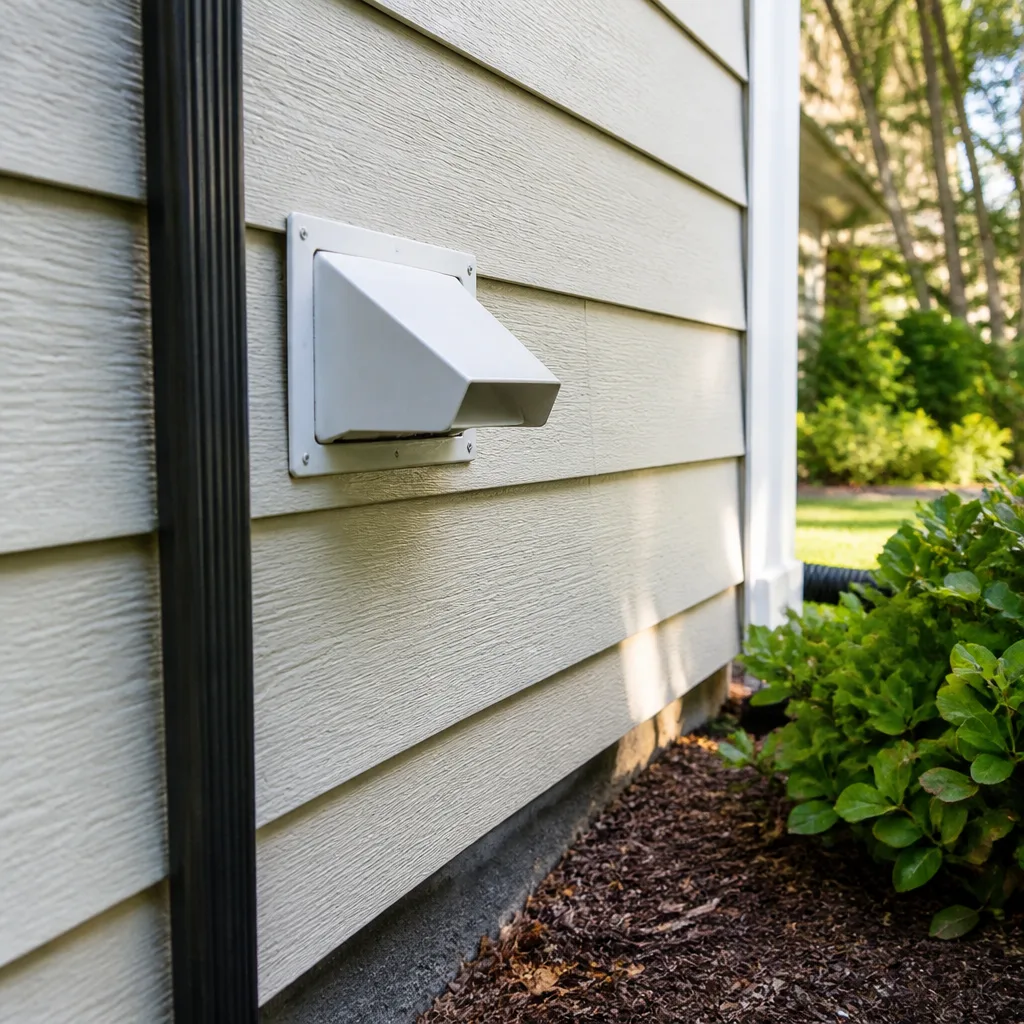 Dryer vent cleaning
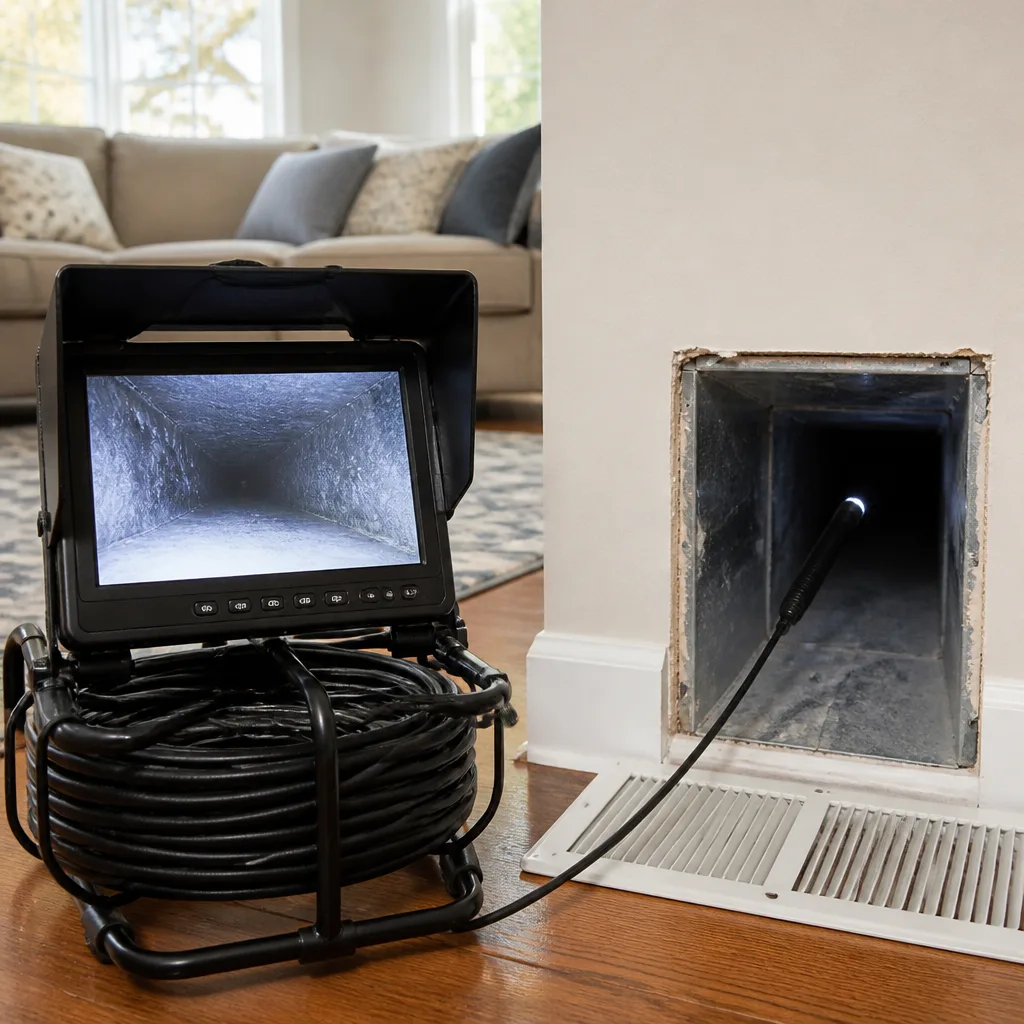 Camera inspection
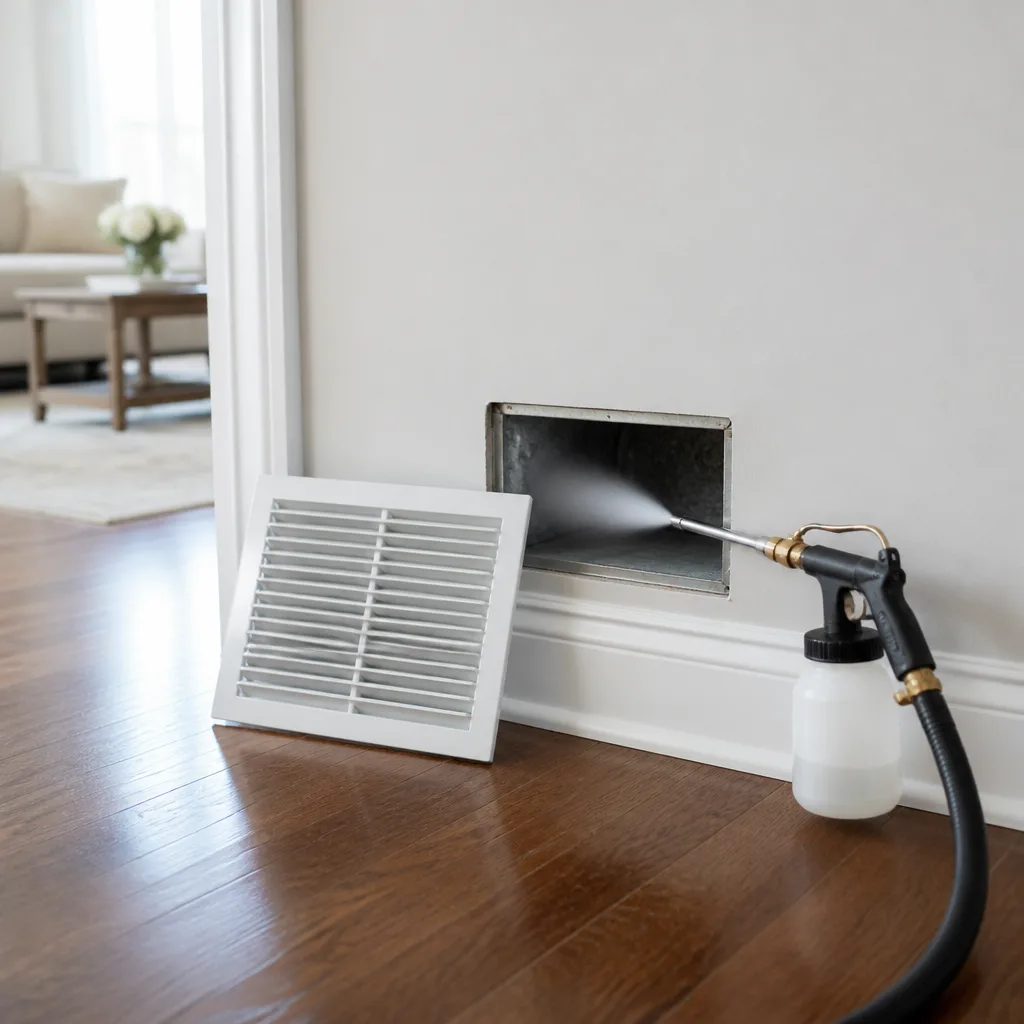 Sanitizing & deodorizing
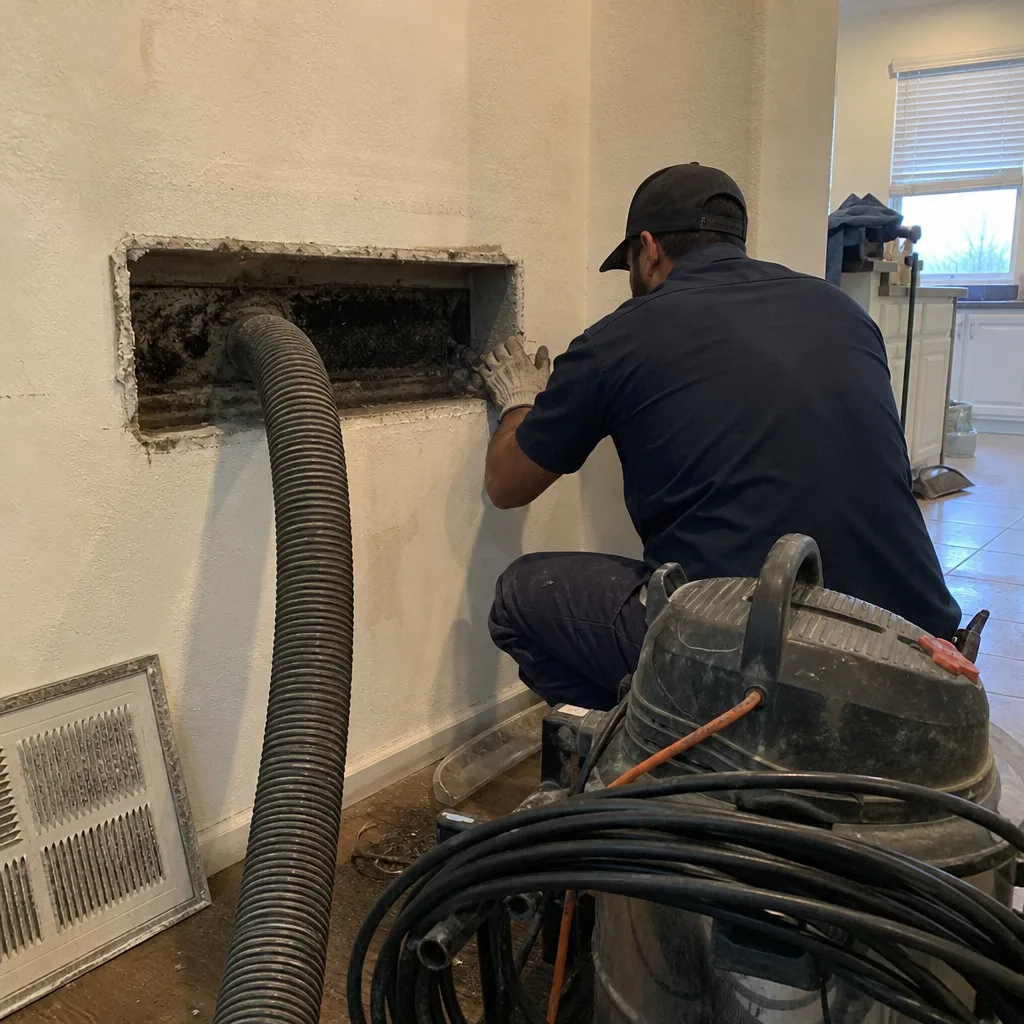
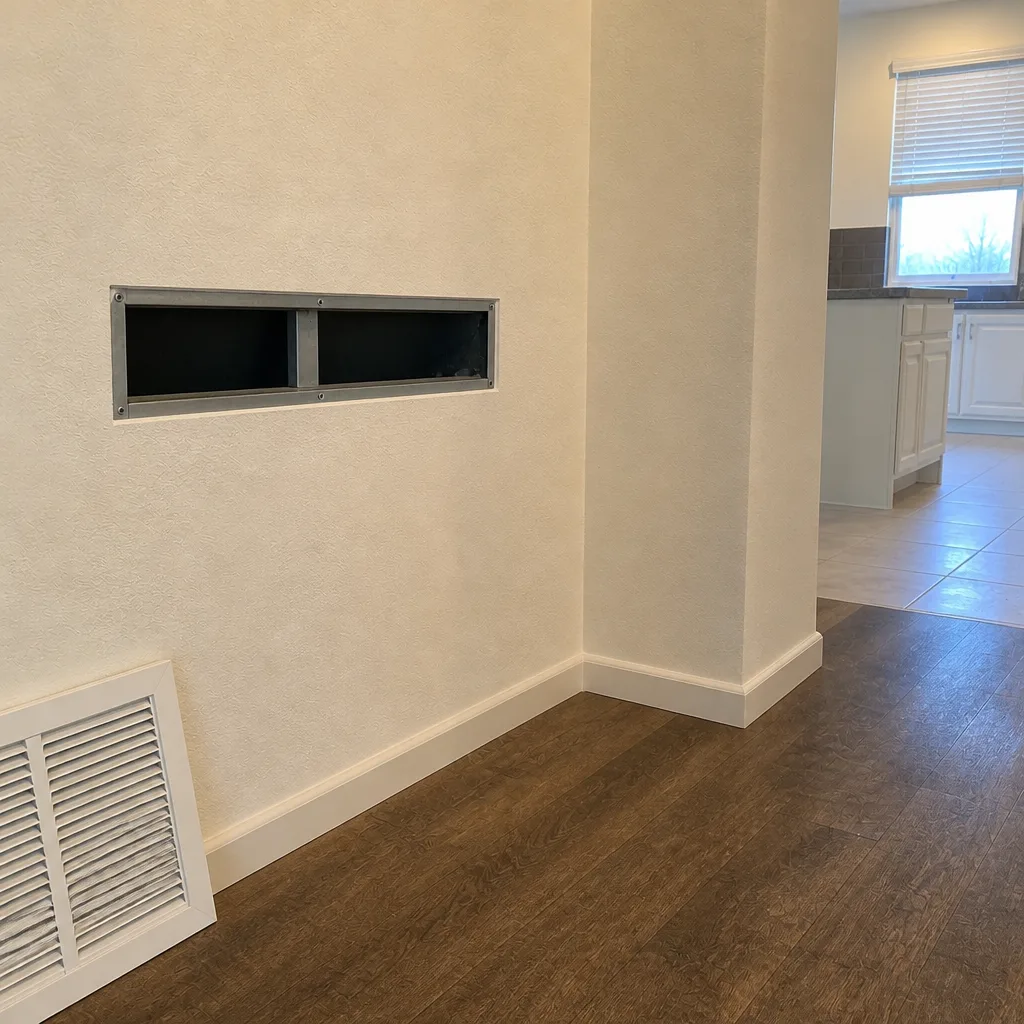
Whole-system duct and dryer vent check with before-and-after photos - you see exactly what came out of your vents
That "$99 whole-house special" is a bait ad - the real number appears once they are in your hallway, or the "clean" is a shop-vac at the register. We photograph the inside of your ducts before and after instead.
Air Duct Cleaning Cost Breakdown: The Fairfield Homeowner’s Reference for 2026
A $149 whole-house duct cleaning quote and a $650 quote can both be fair prices, for two entirely different jobs. The number on the invoice tells you almost nothing on its own. What it does tell you is the scope the contractor intends to perform, whether they say so out loud or not. Most homeowners never get that scope explained. That gap between the low quote and the high one is where people get hurt, and it isn’t a scam in every case. Sometimes it’s an honest contractor quoting a smaller job than you assumed you were buying. This guide breaks down what makes up a legitimate duct cleaning price in Fairfield in 2026, what belongs in the number, what shouldn’t, and how to compare two quotes on equal terms. By the end you’ll know which line items to look for, which upsells to question, and what a fair range looks like for a house like yours.
Quick Answer
Air duct cleaning in Fairfield runs roughly $79 to $1,200+ for a standard single-family home in 2026, depending on the number of runs, the duct material, and how much the job actually includes. A legitimate base cleaning covers access points, mechanical brush agitation through every run, negative-pressure HEPA vacuum containment, register cleaning, and a visual inspection at the end. Quotes below that floor usually describe less work, not a better deal. The estimate that matters is the one in writing, agreed before anyone touches your ductwork.
Styles & brands we work with
- Whole-home duct cleaning
- Dryer vent cleaning
- Camera inspection
- Sanitizing & deodorizing
Table of Contents
- What a legitimate base-price cleaning actually includes
- Legitimate add-on costs vs. upsell padding
- How home characteristics affect price in Fairfield
- Per-vent pricing vs. flat-rate: what each model signals
- What a realistic range looks like by home size
- What’s negotiable and what isn’t
- Common mistakes to avoid
- When to call a professional
- Frequently asked questions
What a legitimate base-price cleaning actually includes
Before you can judge a price, you need to know what the base cleaning is supposed to be. A real air duct cleaning job isn’t a vacuum pass over the visible registers. It’s a mechanical process through the entire duct run, with containment the whole way. Here’s what belongs in the base price every time, and what you should expect a professional to walk you through before any work starts.
- Access point creation. Every run needs a sealed port so the technician can reach the interior of the duct with a brush. On new work this means cutting into the duct at strategic points and re-sealing afterward. If a contractor’s quote doesn’t mention access points, ask how they plan to reach the interior of your ducts. Vacuuming through the register alone doesn’t reach anything past the boot.
- Mechanical brush agitation through all runs. Cleaning means physically dislodging the debris, not just pulling air. We run a Rotobrush rotary brush system for this because the agitator has to make contact-based passes through each run to remove the compacted layer that clings to the interior surface. Air-only cleaning knocks loose the top layer and leaves the rest.
- Negative-pressure containment. While the brush agitates debris, a high-CFM vacuum with a HEPA filter captures what’s dislodged. We use Nikro vacuum equipment for extraction and Abatement Technologies HEPA units to contain the particulates during the work. This is the difference between cleaning and redistributing. If a quote doesn’t reference containment, the size of the number stops mattering.
- Register and boot cleaning. The covers and the first 18 inches into the joint are the worst-offending areas. They should be removed, cleaned, and put back. If the crew is only doing the run and not the register, you’ll still see the dust on the grille when they’re done.
- Post-job inspection with before-and-after photos. A legitimate job ends with the technician walking you through what was removed and showing you pictures from inside the duct before and after. If they can’t show you, the work is unverified.
All five of those steps in one flat price is what you’re paying for. When a quote omits any of them, the lower number is not a discount – it’s a smaller scope. The Fairfield home is what determines how much labor goes into those five steps, and we’ll cover that next.
Legitimate add-on costs vs. upsell padding
Add-ons are where the price of a duct cleaning can double on the invoice, and they’re also where the sharpest difference between a fair contractor and a padded one shows up. None of the add-ons below is inherently bad. Some are genuinely warranted. The question is whether the contractor is recommending them because the inspection found a real condition, or because the base price was too low to be profitable and the upsells are how the invoice gets to a real number.
Mold treatment
Mold treatment is warranted when there’s active microbial growth visible on the duct interior, confirmed by inspection, usually following a moisture intrusion (a leak, a bathroom exhaust dumping into the attic, or a long-running humidity problem). In Fairfield’s mild, dry inland summers, mold in ductwork is less common than it is in coastal or humid climates. If a technician tells you that you have mold and can’t show you a photo, ask to see it. If they can’t produce the photo, you’re being sold a service you may not need.
Sanitizer application
Chemical sanitizers are a legitimate post-cleaning treatment when contamination is confirmed. Many homeowners opt for one anyway as a general measure. It’s a small line item, usually phrased as a fogger or mist application after the mechanical cleaning. Ask what product is being used and whether it’s EPA-registered. If the answer is vague, that’s your hint. Sanitizer doesn’t replace cleaning, and a contractor offering sanitizer without mechanical agitation is selling fragrance, not cleaning.
Dryer vent cleaning
Dryer vent cleaning is legitimate, and it’s a fire-safety service worth scheduling – not an upsell tacked onto a duct job. It’s a separate service we offer under its own heading for that reason. Lint accumulation in the vent run is the leading cause of dryer fires in homes, and the vent is often the most obstructed air path in the house. If your duct cleaning quote includes dryer vent cleaning, ask whether the technician will be going to the exterior termination or just vacuuming from the dryer side. Exterior access is the standard that matters.
UV light installation
UV treatment for an HVAC air handler is a real option for homeowners concerned about biological growth on the evaporator coil. It’s an air-quality upgrade, not a cleaning step. We work with Honeywell and Aprilaire air-quality products for whole-home filtration, humidification, and UV treatment when a homeowner wants to go that direction. The uv light belongs in the price as a separate quoted line, not folded into the cleaning number. If you don’t know what you’re buying, ask for the model and the installation scope in writing.
Air duct repair
Leaking or disconnected duct joints are common in older Fairfield homes and are a genuine cost item when found. A contractor who only cleans around the leak is doing the homeowner no favor. We offer air duct repair as a standalone service so that when we find a disconnected run, a crushed flex section, or a leaking joint during cleaning, the answer isn’t “that’s out of scope.” If your quote doesn’t include a plan for what happens when damage is found, ask.
How home characteristics affect price in Fairfield
The same square footage in two different houses can price differently by hundreds of dollars, and it’s not market variation. It’s the physical layout. Here are the factors we look at before giving a Fairfield estimate, and why each one moves the number.
- Single-story vs. two-story. A single-story home with a central mechanical closet means every run is reachable from one attic side or a crawlspace. A two-story on the same footprint often has ductwork running through the second-floor ceiling and a mechanical space in the attic, which can require additional access points and longer runs. A two-story with a split system can have two air handlers and effectively double the work.
- Slab foundation vs. raised floor with crawlspace. Fairfield has both. A slab home typically has ducts in the attic, which is accessible and predictable. A raised-floor home in the older neighborhoods can have ducts in the crawlspace, and a crawlspace in Fairfield’s clay-heavy soil can be tight, damp, and harder to work in. That adds time and access labor, and it’s a legitimate reason for a higher quote.
- Duct material: duct board, sheet metal, or flex. Sheet-metal ducts with mechanical seams tolerate rotary brush agitation well. Flex duct, especially the inexpensive type installed in some 1980s and 1990s additions, requires more care because the interior liner can tear. Duct board has a fibrous interior that can trap debris and is more sensitive to aggressive brushing. A professional who knows the material will adjust technique and time accordingly. Ask what your ducts are made of, and whether the contractor’s quote reflects it.
- Number of runs and register count. A 1,200-square-foot home may have six supply runs and two returns. A 2,400-square-foot home can have fourteen. Since every run gets individual attention, the run count is the biggest driver of labor time and price.
- Access difficulty. Attic access that’s a scuttle in a closet and a tight crawlspace under a 1950s addition both slow the job down. A contractor who hasn’t looked at your access before quoting can’t price accurately. Insist on an on-site or detailed pre-quote interview.
The neighborhoods we work in across Fairfield – from the older streets near downtown to the newer subdivisions off the I-80 corridor – show this range inside the same zip codes. Two houses five minutes apart can quote very differently if one is a slab single-story and the other is a raised two-story with a split system. That’s not a pricing trick. It’s the house.
Per-vent pricing vs. flat-rate: what each model signals
Per-vent pricing means a contractor charges a fixed amount per register, often $20 to $40 per vent, and the total is whatever count the crew arrives at. Flat-rate pricing means one price for the whole system, quoted up front, based on a walkthrough. These two models signal very different things about how the contractor intends to work, and one of them protects you better.
What per-vent pricing tells you
Per-vent pricing encourages the contractor to count as many vents as possible and to do as little per vent as they can get away with. It also leaves the total ambiguous until the crew is on site and starts counting, which is exactly the point where a homeowner’s leverage is lowest. A low per-vent number on a coupon with “additional fees apply” printed underneath is not a price – it’s a hook.
What flat-rate pricing protects
Flat-rate pricing means the contractor has to walk the ductwork before quoting, evaluate the material and access, and stand behind one number. It also means you can compare two quotes side by side and see the scope difference. When we quote a job in Fairfield, the price is per system, agreed before work starts, with the specifics of your home baked in. No per-vent multipliers, no callbacks, no upsell conversation in your driveway. If you want to know more about how we approach the work, our air duct cleaning page covers the process in detail.
If a contractor quotes flat rate but won’t itemize scope, ask them to. A flat price without a written scope is the same trap with a different label.
What a realistic range looks like by home size
Ranges below are typical for a full-scope cleaning in Fairfield in 2026 – access points, mechanical agitation, HEPA containment, register cleaning, and inspection, all in. They are estimates, not exact quotes. Every job gets its own written estimate, and the written estimate sets the final price. Add a meaningful cushion for duct repair if joints are found to be leaking, since repair is a separate line.
- Up to 1,200 sq ft, 1 system, single-story, slab: typically $299 to $499 for a base cleaning. Add roughly $120 to $250 for dryer vent cleaning. Add air duct repair quoted separately if leaks are found.
- 1,200 to 2,000 sq ft, 1 system, single-story or compact two-story: typically $399 to $650. Two-story layouts at the top of this band often land at the upper end.
- 2,000 to 2,800 sq ft, 1 to 2 systems: typically $549 to $899. Split systems at the top of this range effectively double the run count and often require two separate access plans.
- 2,800 sq ft and up, 2 or more systems, or older home with crawlspace ducts: typically $749 to $1,200+. Large raised-floor homes with tight crawlspaces and multiple systems are the most labor-intensive.
An honest quote for a 1,200-square-foot slab home should not be $149, and an honest quote for a 3,000-square-foot two-system home with crawlspace ducts should not be $299. When a number falls outside the range, ask what scope the contractor is actually planning to perform. The answer usually explains the quote.
What’s negotiable and what isn’t
Homeowners reasonably want to compare and negotiate. Here’s a straight answer on where there’s room and where there isn’t. The line items that can legitimately vary by contractor are labor efficiency, optional add-ons, and scheduling flexibility. The line items that cannot be reduced without reducing the job are the mechanical process components – brush, vacuum, containment, inspection.
- Negotiable: the add-ons. If you don’t need sanitizer or a UV light, say so. If mold isn’t confirmed by inspection, ask for the price without treatment. Dryer vent cleaning is straightforward to quote as a separate line. If a contractor is bundling three services into one number, ask them to split it out.
- Negotiable: the timing. Booking a job outside a peak period sometimes allows for more careful scheduling and a better labor fit. Ask the contractor what their schedule looks like and see if there’s room.
- Not negotiable: access points. Every run needs one. Cutting corners here means the cleaning misses the interior.
- Not negotiable: mechanical agitation. Air-whipping through the register without a brush passing through the run leaves the compacted layer on the duct wall. That’s not a cleaning, it’s a puff of air.
- Not negotiable: HEPA containment. A vacuum without a HEPA filter just moves dust into the return air. A reputable contractor will not remove the HEPA unit to save on labor. If they offer to, that’s your signal.
- Not negotiable: the inspection and before-and-after photos. If a contractor is unwilling to document the work, the price doesn’t matter.
The bottom line: a quote that undercuts the range by cutting the process is not a fair price. It’s a smaller job. The legitimate way to lower the price is to lower the scope you actually need – not the quality of the job performed.
Common Mistakes to Avoid
- Choosing the quote with the lowest number without reading the scope. A $149 quote and a $650 quote for the same home are usually two different jobs. If you can’t see the scope in writing, you can’t compare them, and the price comparison is meaningless.
- Accepting per-vent pricing without asking for the full-system total. Per-vent pricing invites a count that happens after you’ve committed. Insist on a flat number before the crew arrives.
- Paying for mold treatment without seeing a photo. Mold in ducts is real, but it’s inspected, not assumed. In Fairfield’s dry summers, active microbial growth is less common than the sales pitch implies. If the technician can’t show you the growth, ask them to itemize the justification.
- Assuming the register cleaning is included. Register and boot cleaning is a standard part of the job, but some cut-rate quotes only cover the run and skip the grille. Ask explicitly what happens to the registers.
- Not asking who is doing the dryer vent cleaning. Dryer vent cleaning is a fire-prevention service. If it’s part of the quote, verify the technician will access the exterior termination, not just the dryer side.
- Skipping air duct repair when a leak is found. A disconnected or leaking joint undoes the cleaning within a season. If damage is found, get a repair quote before you pay the cleaning invoice, and consider it part of the same project.
- Not getting the written estimate before work starts. A verbal number and an invoice are two different things. The written estimate is your protection. If it isn’t in writing, it isn’t a price.
When to Call a Professional
Call a professional when you can see visible debris blowing out of a register, when you’re noticing increased allergy or respiratory symptoms in the home, when a renovation has introduced construction dust into the return air, when the system is more than 10 years old and has never been cleaned, or when a first-time duct inspection is being scheduled for a home you’ve just purchased. These are the cases where the cleaning has a clear purpose and a measurable outcome. If you’re simply curious what’s inside the ducts, an inspection is a reasonable starting point. We work with Duct Cleaning Fairfield on every cleaning job, and the estimate is free. Call (844) 834-3074. We answer 24/7. Fast dispatch from 7am to 7pm, Sunday through Friday. If you want a quote for a second service at the same time, our dryer vent cleaning page covers what’s involved and what it costs.
Frequently Asked Questions
Air duct cleaning in Fairfield typically runs $299 to $650 for most single-family homes, with the upper end covering larger two-story homes and split systems. Large or older homes with crawlspace ducts can run $749 to $1,200+. Prices are estimates, and the written estimate sets the final price. Call (844) 834-3074 for an exact quote – estimates are free.
Because they describe different levels of work, not different prices for the same job. A low quote usually skips one of the five core steps – access points, mechanical agitation, HEPA containment, register cleaning, or inspection – which means less actual cleaning, not a better deal. Ask any low-priced contractor to put the five steps in writing. If they can’t, the number isn’t comparable. Call (844) 834-3074 for a quote that spells out the scope.
Request before-and-after photos from inside your own ductwork, taken at the access points the technician opens. Legitimate cleaning includes a post-job inspection walk-through. If photos and inspection are not part of the job, the work can’t be verified, and that’s a good reason to choose a different contractor. We include photos and inspection in every Fairfield job. Call (844) 834-3074 for a free estimate.
Every three to five years for a typical home, sooner if you have pets, allergies, recent renovations, or a system over 10 years old. Homes with smokers, wood-burning fireplaces, or visible debris at the registers may need it every two to three years. There’s no universal rule that applies to every house – the inspection tells you. Call (844) 834-3074 for a free assessment.
Flat-rate pricing is the fairer model for the homeowner because it locks the price before the crew arrives and forces the contractor to walk the system and quote accurately. Per-vent pricing invites a count after you’ve committed. Ask for a flat-per-system number and the scope behind it. Call (844) 834-3074 for a Fairfield estimate on flat-rate terms.
Yes. A slab-foundation single-story home with attic ducts and fewer runs can price 30% to 50% lower than a raised-floor two-story with crawlspace ducts and a split system – even on the same square footage. That’s labor, not markup. Ask any contractor to confirm your duct material, system count, and access before quoting. Call (844) 834-3074 for a quote that reflects your actual layout.
The Bottom Line
The range you see for duct cleaning in Fairfield – roughly $79 to $1,200+ – isn’t market noise. Each number describes a specific scope, and your job is to match the scope to your home. A legitimate quote covers access points, mechanical brush agitation, HEPA containment, register cleaning, and inspection, in one flat per-system price, agreed before work starts. Add-ons like sanitizer, mold treatment, UV, dryer vent cleaning, and air duct repair are legitimate line items – each one should be itemized and justified, not folded in. What a quote shouldn’t include is a per-vent multiplier, an undisclosed access fee, or a scope that leaves out any of the five core steps. If you’re ready to see a written estimate for your Fairfield home, our Fairfield page has the local details, and you can always call for an exact number.
Duct Cleaning Fairfield offers free estimates across Fairfield – call (844) 834-3074. We answer 24/7. Fast dispatch from 7am to 7pm, Sunday through Friday. One flat price per system, agreed before work starts, with before-and-after photos so you know exactly what was removed and how the job went. Our technicians have up to 14 years of experience, and we run professional equipment from Rotobrush, Nikro, and Abatement Technologies on every job. Call today and let’s get the scope and price sorted out.
Written by the team at Duct Cleaning Fairfield.
See the difference
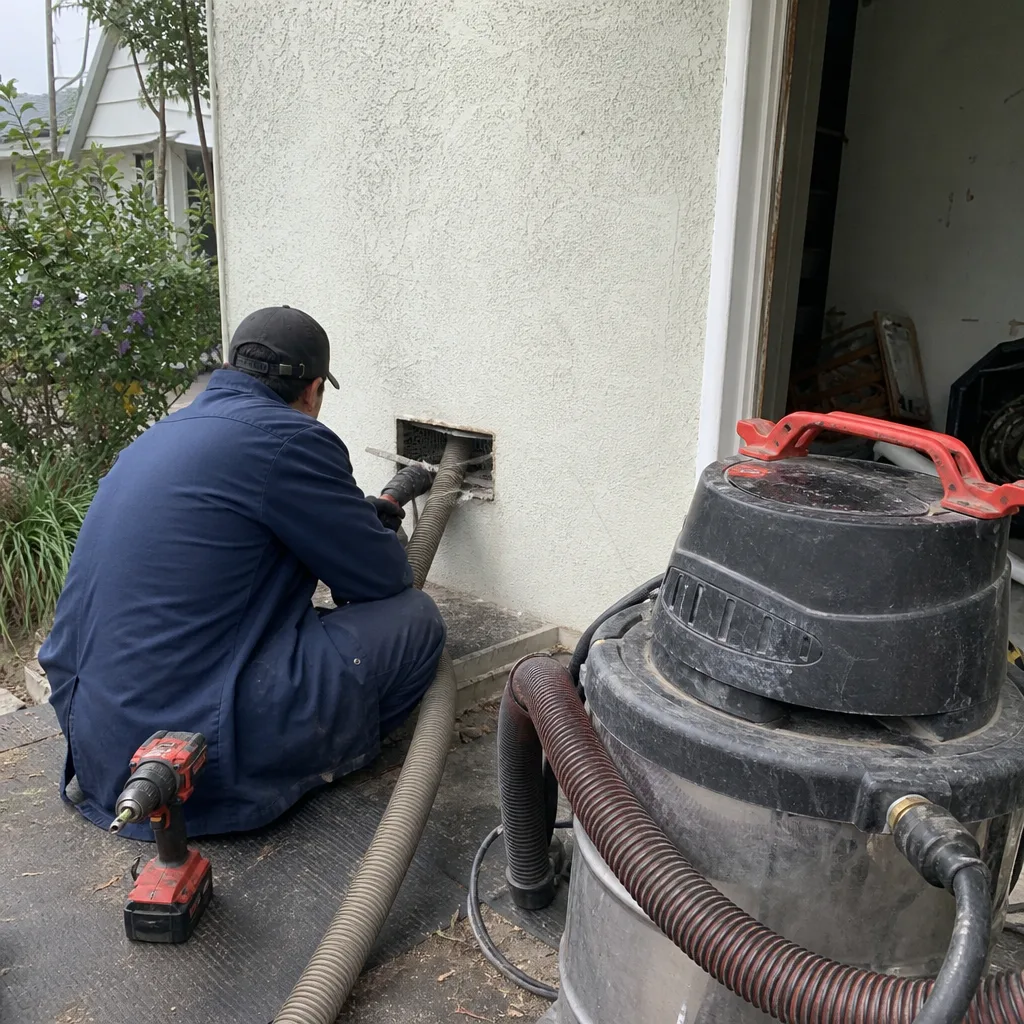 Before
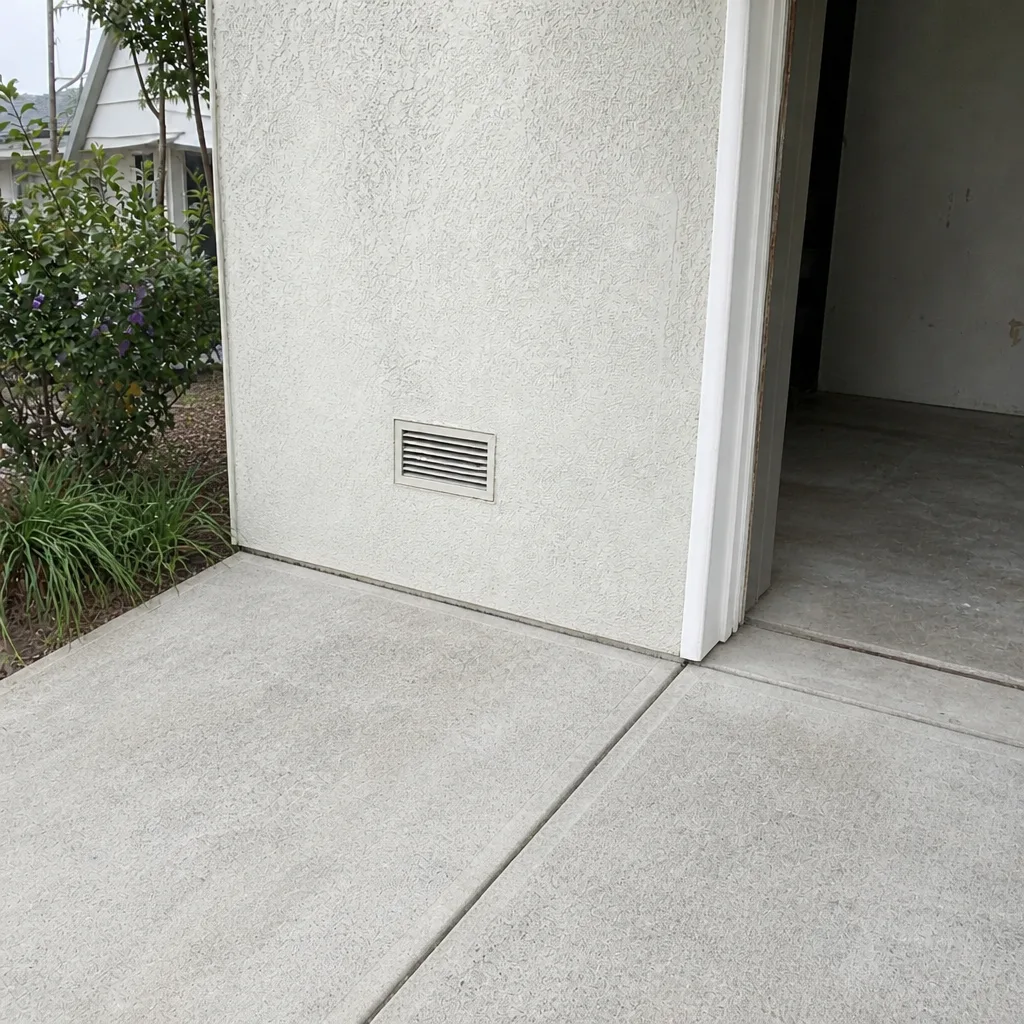 After
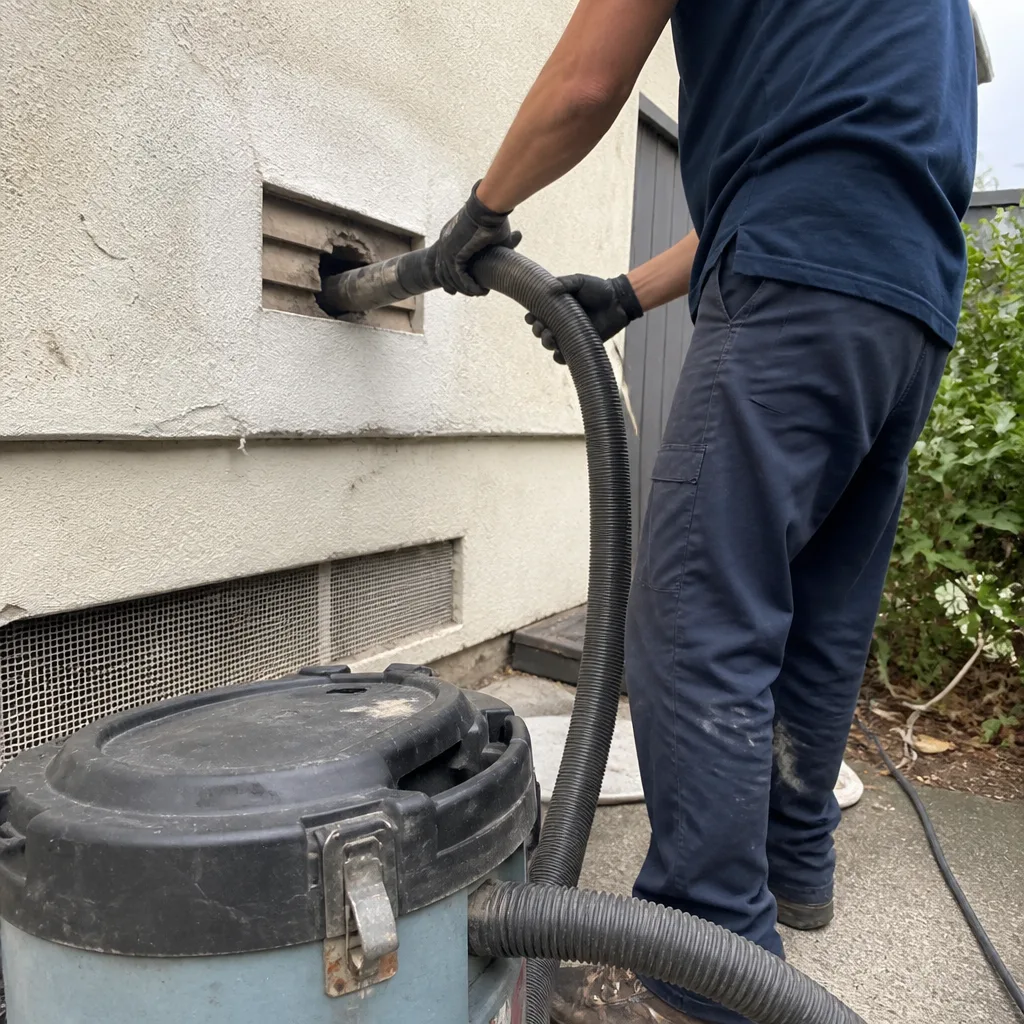 Before
 After
 Before
 After