
Last updated November 16, 2026
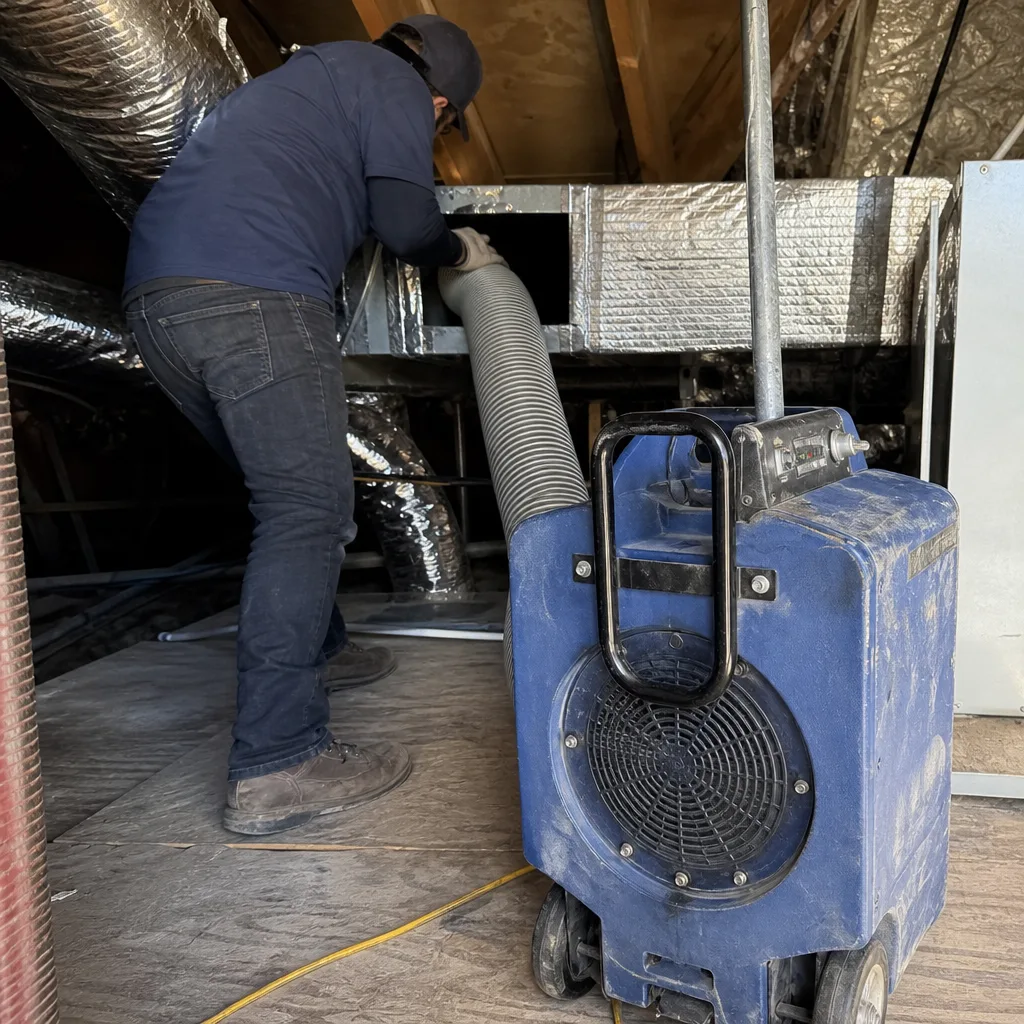
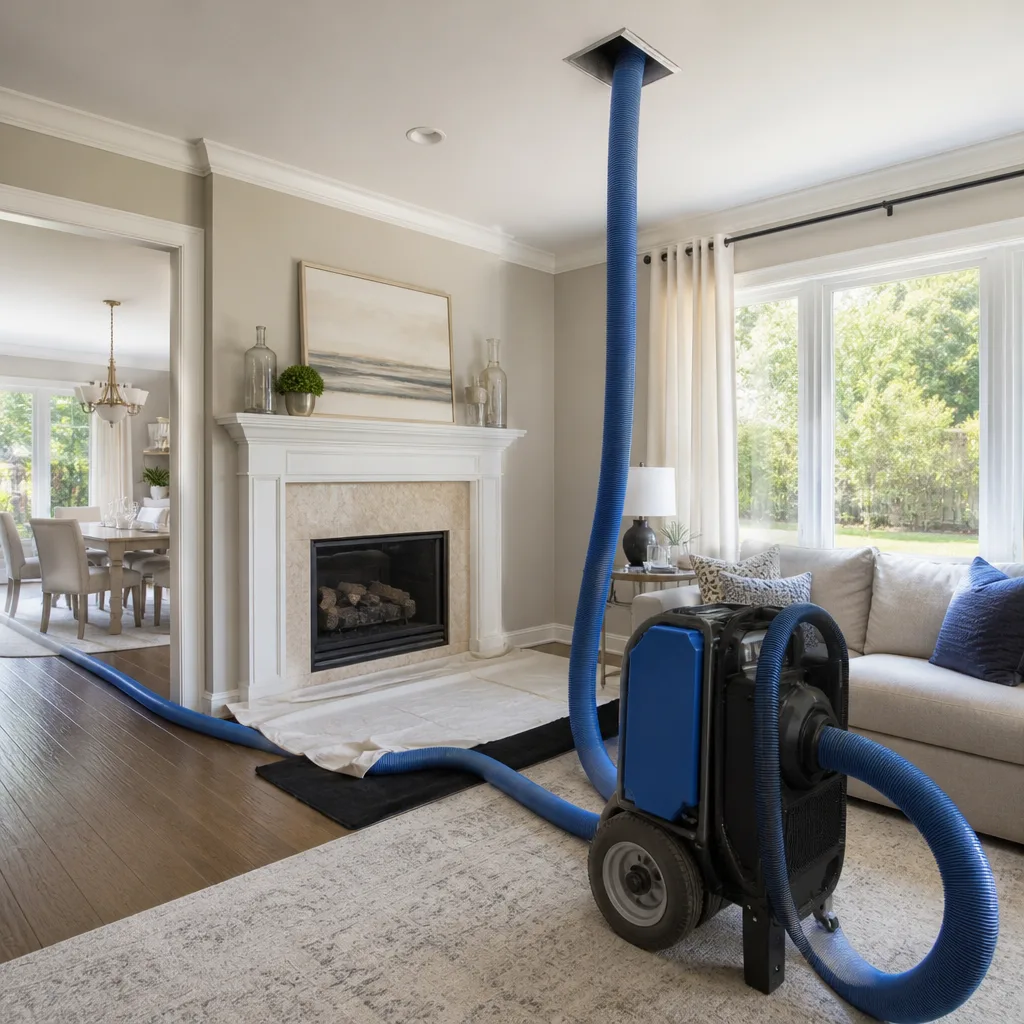 Whole-home duct cleaning
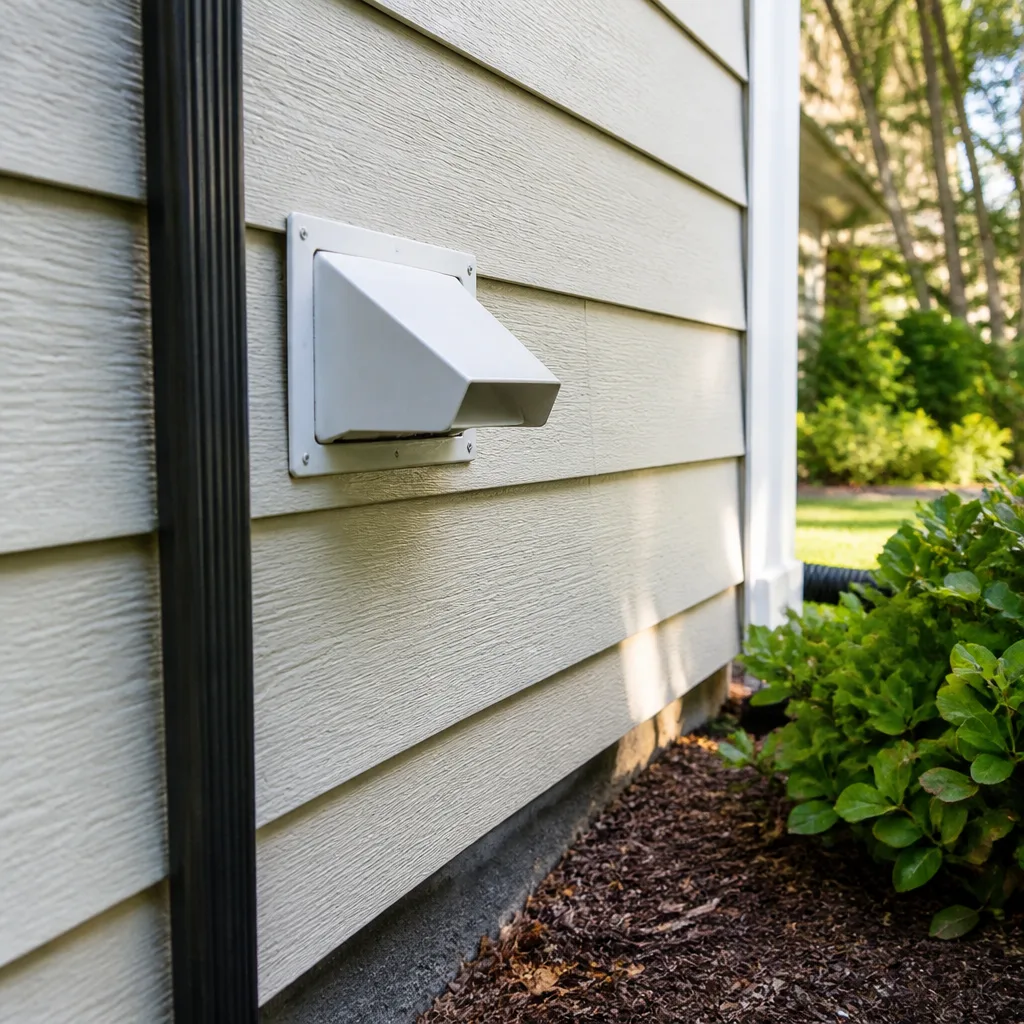 Dryer vent cleaning
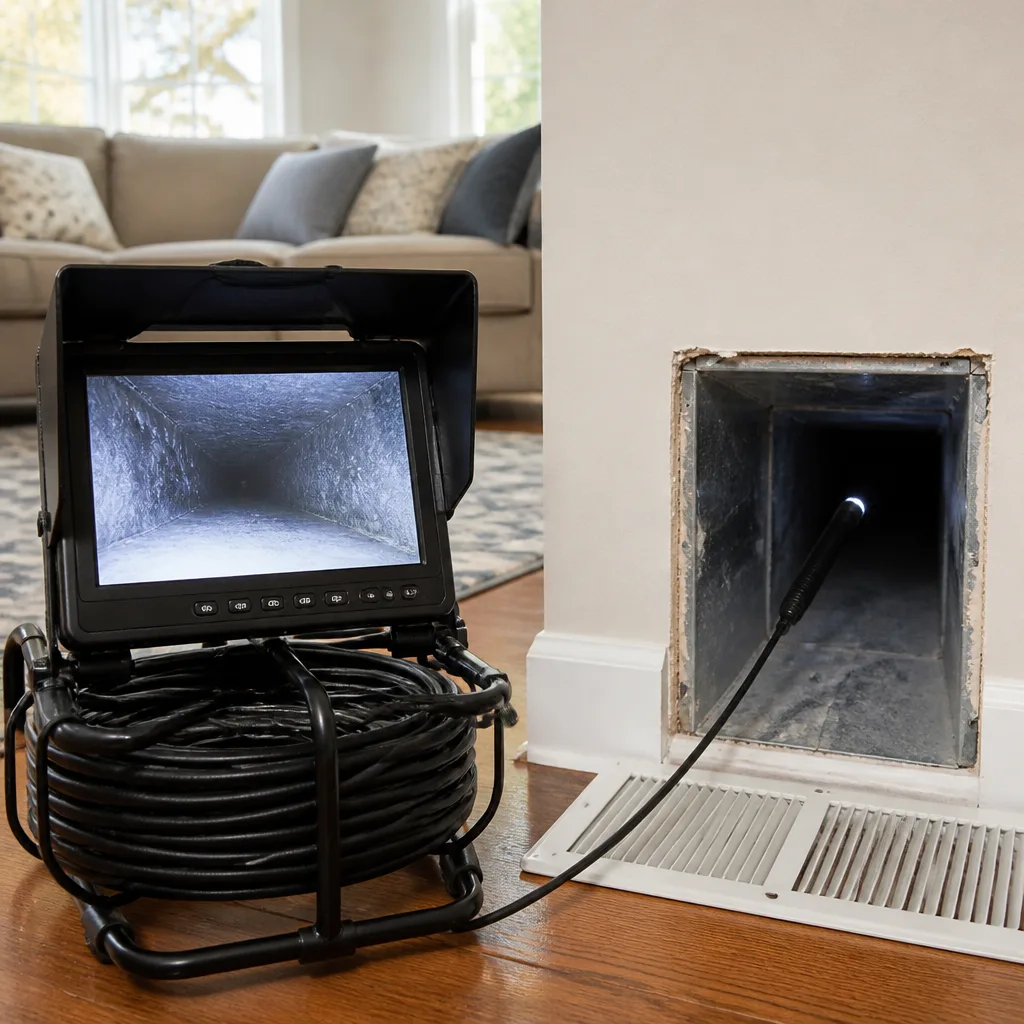 Camera inspection
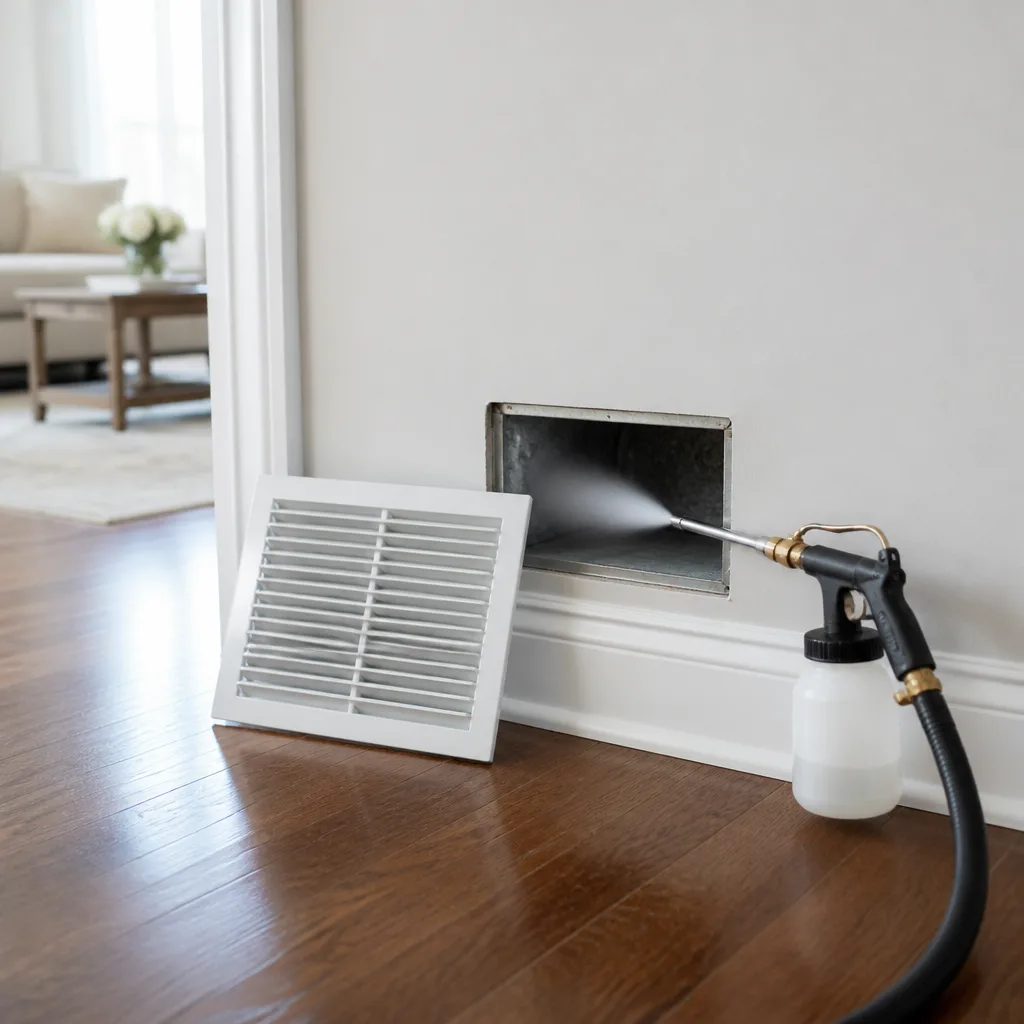 Sanitizing & deodorizing
Whole-system duct and dryer vent check with before-and-after photos - you see exactly what came out of your vents
That "$99 whole-house special" is a bait ad - the real number appears once they are in your hallway, or the "clean" is a shop-vac at the register. We photograph the inside of your ducts before and after instead.
Seasonal Air Duct Cleaning Care for Fairfield: Year-Round Homeowner’s Guide
Most HVAC advice tells you to service your ducts in spring and fall. In Fairfield, that generic schedule misses the two highest-risk windows of the year: late-summer wildfire smoke infiltration and post-harvest agricultural dust, each of which can load a duct system faster than a full year of ordinary use. Fairfield sits in a peculiar spot between the Bay and the Sacramento Valley, and that position stacks four genuinely different contamination seasons onto one house. The timing that matters isn’t which season is starting. It’s which season just ended. This guide maps the full calendar to what your ducts are actually doing month by month, so you can plan cleaning, repair, and filtration around real local conditions instead of a generic reminder.
Quick Answer
Air ducts in Fairfield need attention four times a year, not two, because the city sees four distinct contamination cycles: Tule fog and trapped particulate in winter, mold risk in return plenums after the rainy season, wildfire smoke PM2.5 in summer, and Delta harvest dust in fall. The most useful habit is to inspect and schedule cleaning at the end of the two heaviest loading seasons (late summer for smoke, late fall for dust), with a lighter check in spring and winter. Homes near the Suisun Marsh and the I-80 corridor tend to load faster than homes up toward the hills.
Styles & brands we work with
- Whole-home duct cleaning
- Dryer vent cleaning
- Camera inspection
- Sanitizing & deodorizing
Table of Contents
- Why Fairfield’s Air Ducts Have Four Seasons, Not Two
- Winter (December – February): Tule Fog and Trapped Particulate
- Spring (March – May): Mold Risk After the Rainy Season
- Summer (June – September): Wildfire Smoke and PM2.5 Infiltration
- Fall (October – November): Delta Harvest Dust
- How to Build a 12-Month Maintenance Calendar
- What a Professional Cleaning Actually Involves
Why Fairfield’s Air Ducts Have Four Seasons, Not Two
Fairfield sits at the meeting point of two weather regimes. To the west, the Bay’s cooler, moister air moves in. To the east, the Sacramento Valley’s hot, dry air pushes back. The Suisun Marsh and the surrounding low ground sit in between, and that geography creates the conditions that matter most for your ducts: stagnant air pockets in winter, humid spring mornings, smoke-laden summer air flowing down from the north, and a strong fall wind pattern that carries agricultural dust in from the Delta.
Each of those regimes loads a duct system differently. Some seasons bring fine particulate that coats the inside of the trunk line. Others bring moisture that promotes biological growth in the return plenum. Others bring larger, stickier particles that adhere to filter media and duct walls. A generic spring-and-fall cleaning schedule doesn’t match any of that. It just catches whatever happens to be in the ducts on the day the technician shows up.
- Winter: fine particulate trapped under the fog inversion, plus higher indoor occupancy and closed windows.
- Spring: moisture in return plenums and crawlspace-adjacent runs after the rainy season ends.
- Summer: wildfire smoke PM2.5 pulled in through the return side and recirculated.
- Fall: Delta agricultural dust that adheres to duct interiors and clogs filter media faster than construction dust.
The practical takeaway: think of your duct system in terms of what it has just absorbed, not what the calendar says. Cleaning at the end of a loading season removes the contamination before it settles into a full year of recirculation. Cleaning at the start of one just means you clean it again before the season really gets going. For a look at what a dedicated whole-system cleaning involves in Fairfield, our team can walk you through the specifics.
Winter (December – February): Tule Fog and Trapped Particulate
Tule fog is the defining winter condition in the Sacramento Valley and it reaches into Fairfield during the coldest months. When the fog sits low for days, there’s no vertical mixing of air. Everything that gets put into the air near ground level, from vehicle exhaust along I-80 to fireplace smoke from neighborhood chimneys, stays put. The duct system becomes a slow, steady trap for all of it.
What does that mean for your home? In winter, most Fairfield households run the system with windows closed for weeks at a stretch. Every air exchange that pulls outside air into the return is pulling it from a stagnant, particulate-heavy column of air. If the filter is already partly loaded from fall, it becomes overwhelmed fast. Fine particulate that passes through the filter does what fine particulate always does: it deposits on duct walls, where it can stay for years.
What to check before winter sets in
- Inspect the filter and replace it if it looks gray or matted. A partially loaded filter under fog conditions loads fully in a fraction of the usual time.
- Check the return grilles for visible dust buildup. Winter is when the return side does most of the work.
- Look for gaps or loose joints near the air handler. Cold, dry air makes older duct tape brittle, and winter is when most small leaks open up.
- Run the system on fan-only for a few minutes and note any musty or dusty smell coming from the supply registers. If you smell it, the ducts need attention before winter.
Homes near the Suisun Marsh and along the low ground toward the water tend to hold fog longer, so the trapped-particulate effect is more pronounced there. Homes higher up the slope toward the hills clear faster.
Spring (March – May): Mold Risk After the Rainy Season
The rainy season in Fairfield typically ends by early spring, and that’s exactly when the most important inspection of the year happens. Moisture that has worked its way into crawlspaces, return plenums, and the crawlspace-adjacent portions of the duct system spends the winter sitting quietly. As things warm up and the system switches from heat to cooling, that moisture becomes the ideal breeding ground for biological growth.
We’ve seen plenty of homes where the ducts looked clean on the visible supply side in spring and then turned out to have a real problem in the return plenum or in a flex run that had been sitting in damp crawlspace air all winter. That’s why spring is a check-the-whole-system season, not a clean-the-visible-grilles season.
What to check before switching to cooling mode
- Smell test: run the system for a few minutes on fan and see if you notice any musty or earthy smell. It’s the single most reliable early indicator of moisture-related growth in the plenum.
- Condensate line: make sure the drip pan and drain line are clear before the cooling season starts. Standing water in the pan feeds the return side directly.
- Crawlspace inspection: if any portion of your ductwork runs through a crawlspace, look for signs of standing water, damp insulation, or visible condensation on the duct jacket.
- Filter check: spring is the second big filter change of the year. Even if it looks fine on the surface, feel the edges; a filter that’s damp at the frame needs replacing.
If you find signs of moisture in the plenum or crawlspace runs, don’t cover it up with a new filter and a fresh clean. The right move is to have a professional look at the affected duct sections before the cooling season really gets going. Air duct repair is often the answer, not just cleaning. Our air duct cleaning team can assess moisture damage at the same time.
Summer (June – September): Wildfire Smoke and PM2.5 Infiltration
Summer is the heaviest loading season for Fairfield duct systems, and it’s the one most general HVAC advice completely misses. The Sacramento Valley has become increasingly fire-prone over the last decade, and smoke from regional fires settles into the valley and drifts down toward the Bay. When AirNow shows unhealthy PM2.5 levels in Fairfield, the smoke is already inside your return duct before you notice it in the house.
The instinct is to shut the windows and run the system, which is often the wrong move if the filter isn’t ready. A dirty filter during a smoke event doesn’t just fail to remove PM2.5, it becomes a source of it as it loads up and starts to bypass. The other instinct, to shut the system off entirely, has its own problems: the house overheats, and the ducts that have already absorbed smoke residue sit warm and undisturbed, letting that residue set into the walls.
When to run your system and when to seal it off
- Run the system if: your filter is fresh, your return grilles are sealed to the wall, and you can run the fan continuously to keep the filter doing the work.
- Seal it off if: the filter is more than a few weeks old, you have visible gaps around grilles or at duct joints, or you’re in a high-rise with a return that pulls from a common corridor.
- Never run the system on high with a bypassing filter during an active smoke event. Bypass is when unfiltered air routes around the filter entirely. That’s worse than no filter at all.
Post-smoke inspection protocol
- Once AirNow readings for the Fairfield area return to normal, replace the filter. Don’t wait out the rest of the season.
- Wipe the inside of each return grille with a damp cloth and look at the color. A gray or brown film is a signal that smoke particulate has loaded the return side.
- Run the fan on low for 20 minutes and notice any smoke odor at the supply registers. If you can smell it, that residual is worth a professional inspection.
- Book a duct cleaning at the end of the smoke season, not the beginning. Let the ducts absorb the exposure first, then clean out everything that settled.
For homes with a whole-home filtration upgrade, summer is when it pays for itself. A properly sealed return with a filter rated for smoke particulate is the single biggest variable in how much of that PM2.5 gets into your living space, and working with a Honeywell or Aprilaire filter cabinet is worth considering if you’re in a fire-prone corridor or near the I-80 west gate. Air duct repair is often the difference between a filter doing its job and a filter being bypassed by a leaky return.
Fall (October – November): Delta Harvest Dust
Fall brings a loading pattern most homeowners never think of, and it’s a Fairfield special. The Delta agricultural corridor just to the east runs through the harvest in fall, and the prevailing winds push agricultural dust through the valley and down toward the Suisun Marsh. In Fairfield, that means fine organic dust enters the air column in October and November and settles toward the lower parts of town.
Agricultural dust and construction dust are two very different problems inside a duct system. Construction dust is mostly mineral, tends to be heavier, and drops out of the air quickly. It lands on horizontal surfaces and can usually be removed with a good cleaning cycle. Harvest dust is different. Much of it is organic, fibrous, and slightly hygroscopic, which means it clings to duct walls and to filter media instead of settling on top. It’s the kind of load that starts on the filter and creeps into everything the filter doesn’t catch.
What to check when harvest dust is high
- Filter bypass: the biggest problem in fall is a filter that’s structurally compromised by a heavy load. If the filter is starting to bow or channel, replace it before it begins to bypass.
- Return grille fastness: agricultural dust finds every small gap. Run your hand along the edge of each return grille to see if air is escaping around the frame.
- Duct interior color: shine a flashlight into a supply register and look at the inside of the duct wall. A brown or tan film is the tell.
- Filter housing condition: the filter cabinet is where half the fall contamination ends up. Look for caked deposits on the inside of the housing.
Fall cleaning timing is the reverse of spring. In spring, you clean early and inspect what the rainy season left behind. In fall, you wait until the harvest is done, then clean thoroughly, then set up the filter strategy for winter. Early winter works well as a combined fall-cleanup-plus-winter-prep visit.
How to Build a 12-Month Maintenance Calendar
A maintenance calendar that actually matches Fairfield’s air quality patterns has to be built from two streams of data: AirNow readings for the Fairfield area, and your own HVAC runtime logs. AirNow tells you what the outdoor air is loading. Runtime logs tell you how many hours the system spent pulling that air in. Put them together and you’ll see exactly when your ducts absorbed their biggest loads of the year.
Setup
- Bookmark the AirNow page for the Fairfield area and glance at it weekly. PM2.5 is the number that matters most for duct loading.
- Check your thermostat’s runtime history (most smart thermostats keep it) at the end of each month and note the total fan and system hours for the month.
- Start a simple log. One page per month with two numbers: peak PM2.5 for the month, and system runtime hours for the month.
How to read the log
- High PM2.5 and high runtime: this is a heavy loading month. Your ducts absorbed a lot. Flag it for cleaning in the next 60 days.
- High PM2.5 and low runtime: outside air was bad but you kept the system mostly off. Lower loading, but the filter may be compromised from any periods of operation.
- Low PM2.5 and high runtime: moderate loading. Filter changes matter more than a full cleaning.
- Low PM2.5 and low runtime: the ducts are basically resting. This is a good month for inspection and minor repair, not cleaning.
What the calendar looks like for a typical Fairfield home
- Late winter (end of February): filter change and a quick inspection of grilles and joints.
- Spring (late March to early April): full inspection, especially the return plenum and crawlspace-adjacent runs. This is where Air duct repair often comes in.
- Early summer (June): confirm filter strategy before smoke season. Replace if in doubt.
- Post-smoke (September): filter change, return grille inspection, and schedule a full cleaning.
- Post-harvest (November): full cleaning, filter replacement, and check the filter housing.
- Winter (December): light inspection, mostly gaps and joints.
The point isn’t a rigid schedule. It’s a signal map. The calendar tells you when the fair chance of a heavier-than-normal load has passed. Cleaning after that point is worth more than cleaning before it, because that’s when the most contamination has accumulated.
What a Professional Cleaning Actually Involves
Equipment matters far more in duct cleaning than it does in many trades, and it’s the reason our process looks different from what a generalist HVAC company will do as an add-on. A true professional cleaning combines three things: the ability to loosen debris from every surface of the duct interior, enough negative pressure to remove what’s been loosened, and filtration fine enough to keep that debris out of the air you’re breathing while the work happens.
How the equipment fits together
- Rotobrush rotary brush system: a purpose-built rotary brush that contacts the duct walls. This is what actually dislodges caked deposits. Air-whip-only methods loosen surface dust and miss the thin film that binds to the interior.
- Nikro vacuum equipment: high-CFM negative air pressure applied to the system during cleaning. Without enough extraction, loosened debris just resettles elsewhere in the duct network.
- Abatement Technologies HEPA filtration: the same standard used in containment and remediation work. This is what captures the fine particulate so it never exits the system.
We run all three. That’s the equipment setup a dedicated duct cleaning specialist uses. Generalist HVAC companies often show up with a portable rig that’s underpowered for a whole-home system, and the result is a surface wipe rather than a real cleaning.
What the appointment looks like
- Walk-through and system inspection, including return plenums, filter housing, and any accessible crawlspace runs.
- Negative-pressure setup and containment at the air handler and selected registers.
- Rotary brush agitation of each duct run, working from the furthest branch back toward the trunk.
- HEPA filter extraction at the air handler, capturing fine particulate throughout the process.
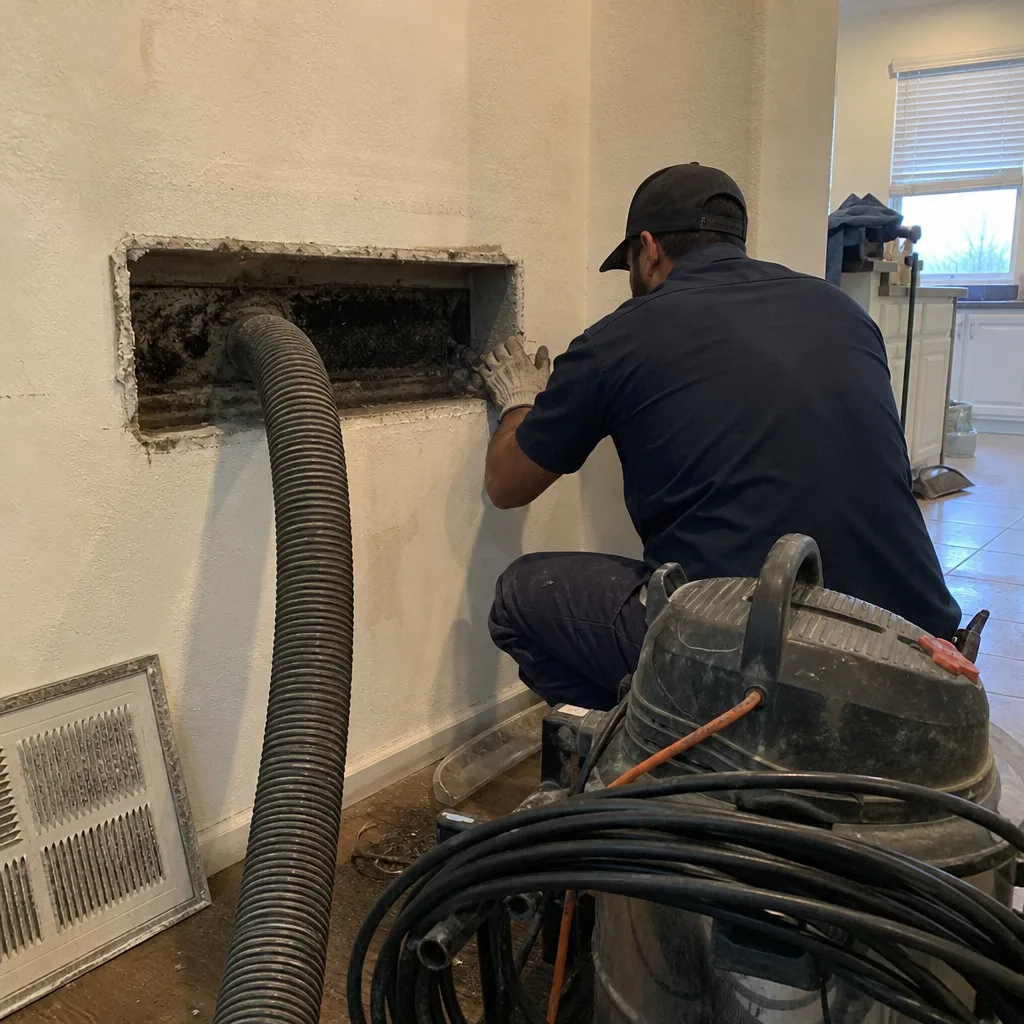
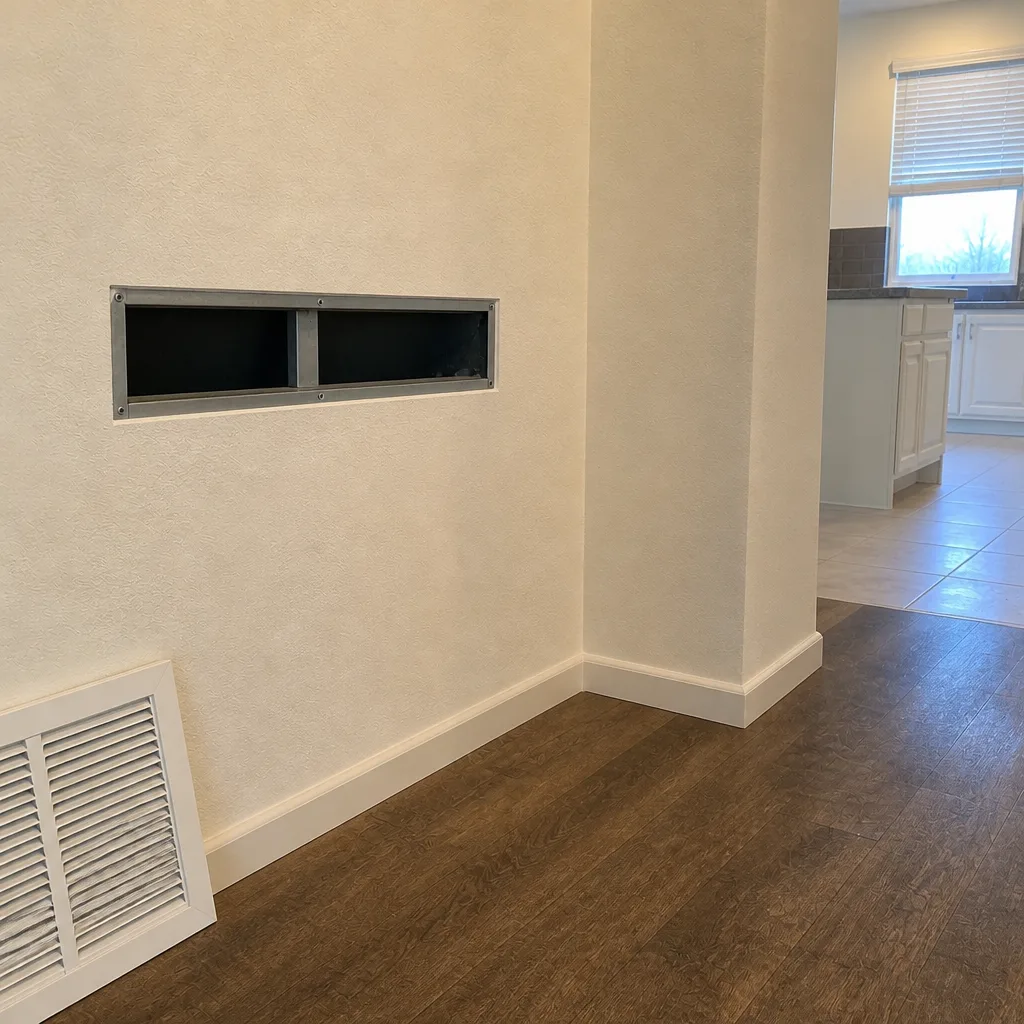
- Post-cleaning inspection with before-and-after documentation of the ducts you actually own.
- Optional follow-up: repair of any leaks, disconnected joints, or damaged runs found during the cleaning.
Air duct repair is a standalone service for a reason. If the cleaning exposes damaged sections, disconnected flex runs, or leaks at joints, cleaning without repairing just means the contamination comes back into the same compromised system. If a home has a Honeywell or Aprilaire air-quality system already in place, we can also spot how the filter cabinet or humidification setup is interacting with the rest of the network. Adding a dedicated dryer vent cleaning on the same visit is worth asking about, because dryer vents don’t care about the season and are a fire-prevention measure every year.
Common Mistakes to Avoid
- Following a spring-and-fall schedule. That misses the two heaviest loading seasons in Fairfield, which run from late summer through late fall. The result is a clean-looking home with dirty ducts for the months that matter most.
- Waiting until after a smoke event to change the filter. The filter needs to be fresh before the smoke arrives, not after. A fresh filter is what pulls the PM2.5 out; a loaded one just becomes part of the problem.
- Treating musty-smell-in-spring as a filter problem. If the return plenum or a crawlspace-adjacent run is damp, a new filter won’t fix anything. Moisture in the plenum is an air duct repair situation, not a cleaning one.
- Running the system on high with a bypassing filter during a smoke event. This is worse than no filter at all. If the return grilles don’t seal tight, shut it off instead.
- Confusing a general HVAC service with a duct cleaning specialist. Not all duct cleaning equipment is created equal. A portable rig in the hands of a generalist won’t contact-load the duct walls the way a proper rotary system does.
- Cleaning before a heavy loading season instead of after. Cleaning in June before the smoke season wastes most of the cleaning’s value. Cleaning in September captures everything the smoke season deposited.
- Ignoring houses near the Suisun Marsh and the I-80 corridor. These areas load faster than the hills and need their calendar set a month earlier in both summer and fall.
See the difference
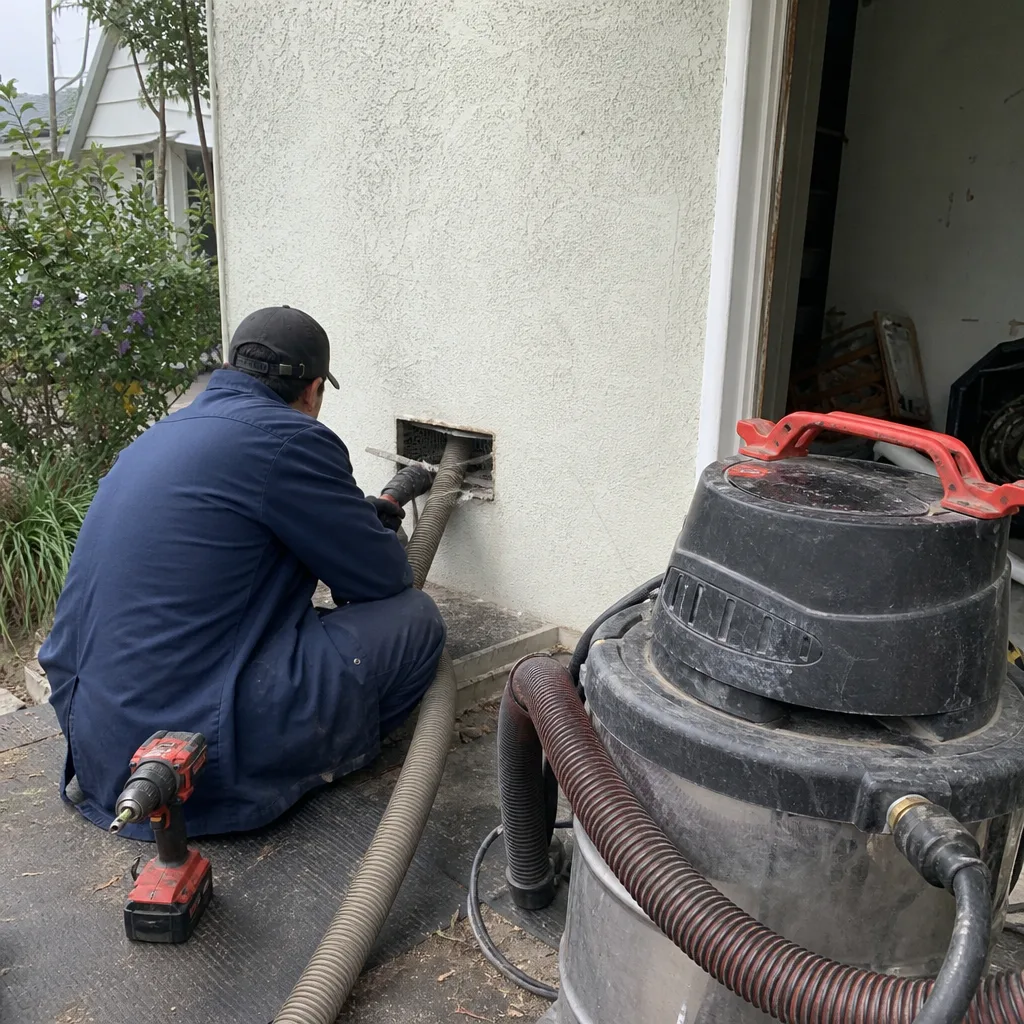 Before
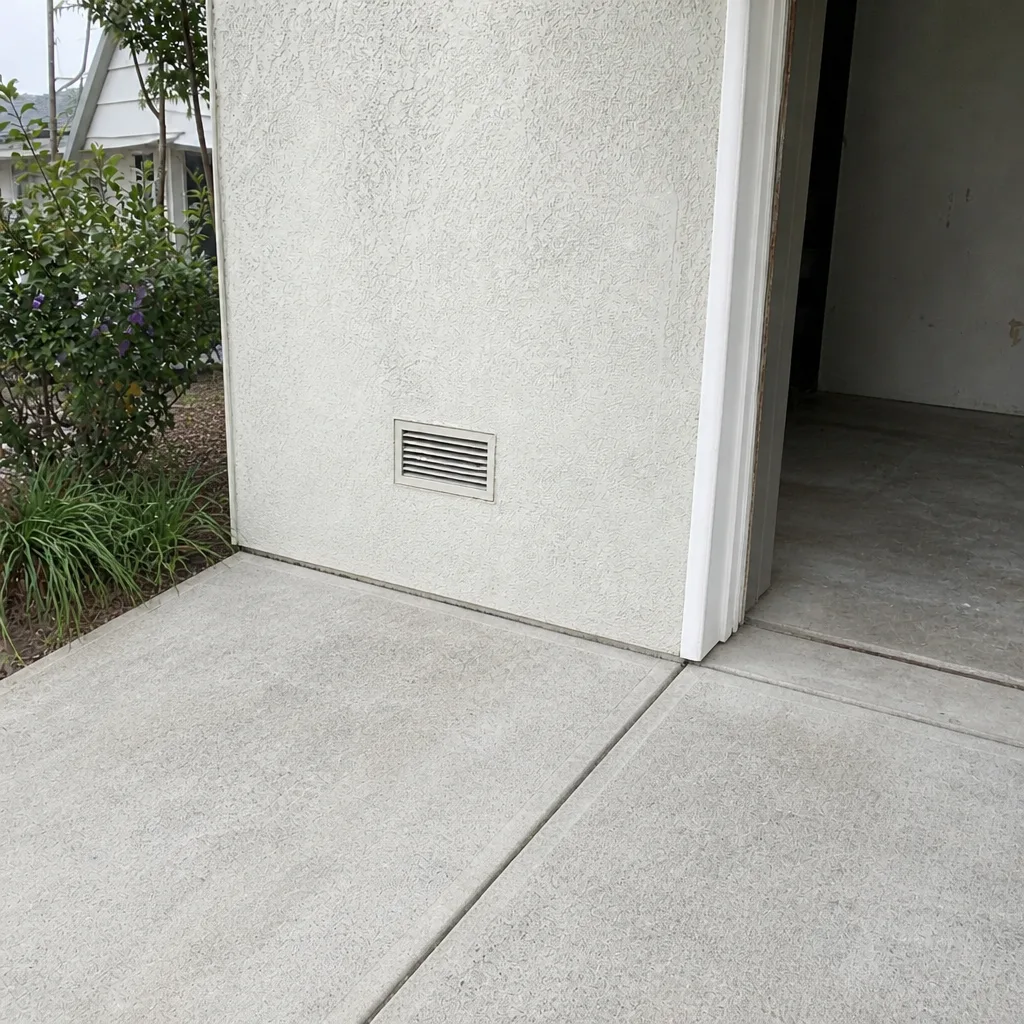 After
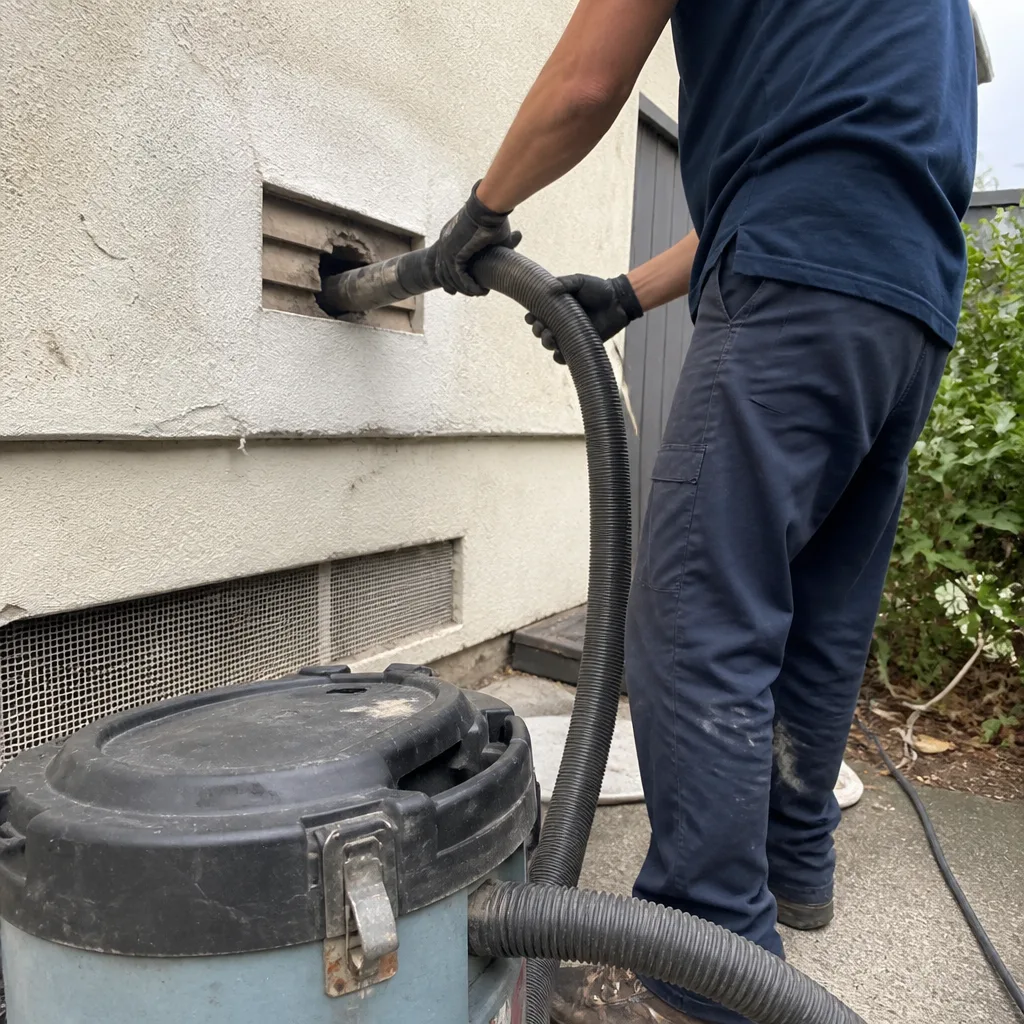 Before
 After
 Before
 After
When to Call a Professional
Call a professional when the calendar tells you a heavy loading season has ended and you haven’t cleaned in the interim, when you notice a persistent musty smell that a new filter doesn’t fix, or when the return grilles are visibly loaded and a filter change makes no difference to the supply side. Call sooner if you’re in a home near the Suisun Marsh that sees heavy fog in winter, or if you’re undergoing any renovation that will dump construction dust into the return side. Duct Cleaning Fairfield offers free estimates in Fairfield. Call (844) 834-3074. We answer 24/7. Fast dispatch from 7am to 7pm, Sunday through Friday. Our technicians have up to experience, we use professional-grade equipment rather than portable consumer rigs, and every job runs with HEPA-level containment from Abatement Technologies.
Frequently Asked Questions
Once a year is usually right for most Fairfield homes, provided it’s timed to the end of the heaviest loading season rather than the start of a light one.
Homes near the Suisun Marsh, in the I-80 corridor, or in any area with recent wildfire smoke exposure often do better on an 8- to 10-month schedule. Homes up in the hills that see less fog and less agricultural dust can comfortably run a 12-month cycle. The right answer comes from your own AirNow log and runtime data, not a fixed rule. Call (844) 834-3074 for an exact quote; estimates are free.
Yes, especially in Fairfield, where the Delta agricultural corridor sends fine organic dust down through the valley and toward the marsh.
Harvest dust adheres to duct walls and filter media more aggressively than the mineral dust from construction work. It builds up slowly and then compounds with any wildfire smoke from a late-season fire. By the time November ends, a Fairfield duct system that went into fall clean can pick up a load comparable to a full year of normal use. Cleaning in late fall or early winter clears it out before winter closed-house season.
Only if the filter is fresh and the return grilles and duct joints are tight. Otherwise, sealing off the house with the system running on high is worse than not running it.
A bypassing filter during a smoke event routes unfiltered air into the supply side. If you’re not sure whether your return grilles seal tight, run the system briefly on fan-only with a flashlight at the grille edge; if you can feel air escaping, that’s bypass. Fix that before the next smoke season. That’s often an air duct repair job, not a cleaning job. Call (844) 834-3074 for an exact quote; estimates are free.
Prices vary by system size, number of registers, and whether repairs are needed, and the industry has a real problem with low coupon prices that turn into far larger invoices once the technician is on site.
We don’t quote per-vent prices, and we don’t offer a teaser rate. Every job gets one flat price for the whole system, agreed before work starts, based on what the system actually contains. That’s the honest way to price a whole-home cleaning. Call (844) 834-3074 for an exact quote; estimates are free.
Usually because the equipment and the scope are different. A portable rig and a surface wipe cost less than a full rotary brush system, high-CFM extraction, and HEPA containment.
The cheap quote is often just that: cheap. It may not include the return plenum, it may not use contact-based cleaning tools, and it may leave behind the film that binds to duct walls. Ask what equipment is being used and whether HEPA filtration is part of the process. Those two questions separate a real cleaning from a surface treatment. Call (844) 834-3074 for an exact quote; estimates are free.
Ask for before-and-after photos of your own duct interiors, taken at the same points before and after cleaning. Not stock photos, not a generic cleaning.
The system should be accessible enough to document: supply runs, return plenum, and filter housing. A team that can’t show you the interior of your own ducts before and after hasn’t really cleaned them. Call (844) 834-3074 for an exact quote; estimates are free.
The Bottom Line
Fairfield’s position between the Bay and the Sacramento Valley gives its homes four distinct contamination seasons, not two. Winter fog traps particulate in closed houses. Spring moisture threatens return plenums and crawlspace runs. Summer wildfire smoke loads the return side with PM2.5. Fall harvest dust clings tighter than any construction dust. The single most useful habit is to clean at the end of a heavy loading season, not the beginning, and to build the calendar from AirNow data and your own runtime logs. Homes near the Suisun Marsh and I-80 need to move their calendar forward. Homes up the hills can run a longer cycle. Every home benefits from HEPA-level containment and contact-based duct cleaning with purpose-built equipment. For the full picture of what we do and how we do it, see Duct Cleaning Fairfield. For a free estimate on a whole-home cleaning or repair, call (844) 834-3074.
About This Guide
We answer 24/7. Fast dispatch from 7am to 7pm, Sunday through Friday. Every job gets one flat price per system, agreed before work starts. We use professional-grade equipment from Rotobrush, Nikro, and Abatement Technologies, and we work with Honeywell and Aprilaire air-quality systems when a home is ready for a filtration or humidification upgrade. If you want a sense of what a full cleaning covers before you book, our overview of the service and the process is worth reading: air duct cleaning.
Written by the team at Duct Cleaning Fairfield.